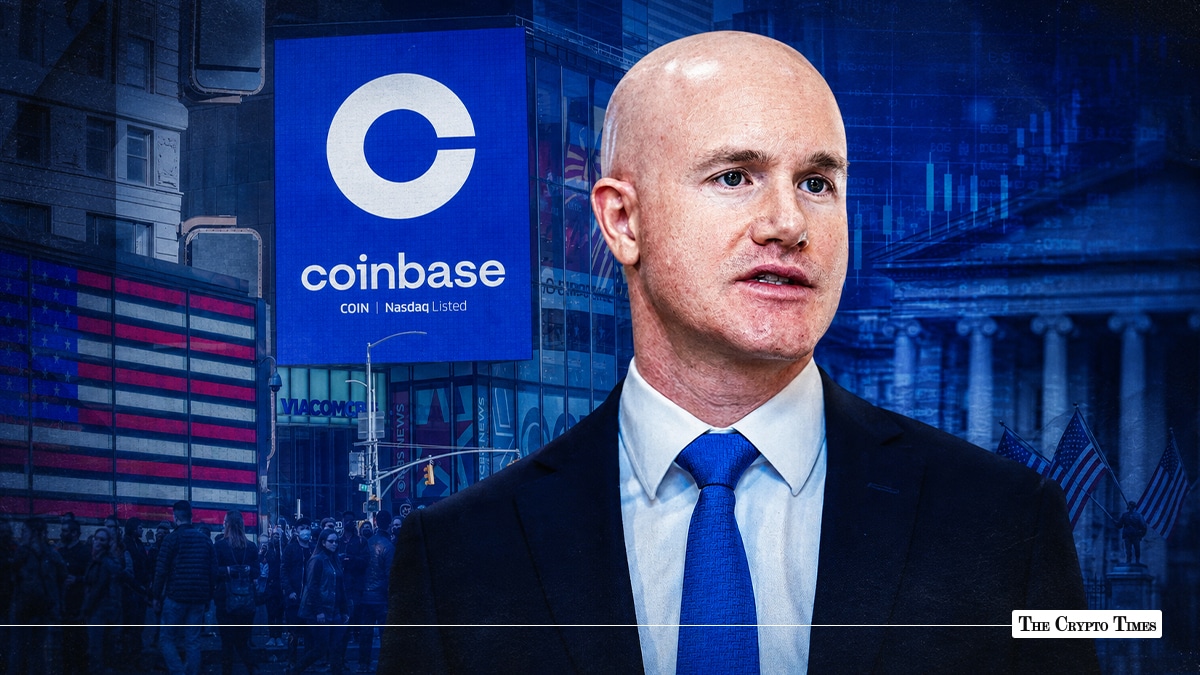
On June 16, 2026, Coinbase dropped a major product plan titled “System Update: Take Control of Your Money with Coinbase.” The ultimate goal? To build what it calls an “Everything Exchange.” Right now, most people split their money across three or four different apps: a traditional bank for direct deposits, a brokerage app for stocks, and a crypto exchange. Coinbase wants to pull all of these services under one roof with a single login.
On paper, a unified financial app sounds incredibly convenient. In reality, blending these separate, highly regulated industries creates massive legal and security headaches. Here is a realistic look at what Coinbase is building, and the practical hurdles it has to clear.
🚀 It’s been a BIG week for updates and x402. Here’s what shipped:
— Coinbase Developer Platform🛡️ (@CoinbaseDev) June 19, 2026
System Update:
→ Our new developer portal brings wallets, payments, trading, and stablecoin issuance into one place, now accessible to AI agents through our CLI and MCP.
→ x402 and Coinbase Wallets are built…
24/7 stocks and high-risk bets
The first major shift is Coinbase’s move into traditional stocks and derivatives. The company is actively trying to run standard Wall Street products on crypto technology.
To deliver a unified stock trading experience within its existing app interface, Coinbase has teamed up with Apex Fintech Solutions to handle the backend clearing, custody, and trading execution. This partnership, announced in February 2026, is a major step in bringing traditional markets into the digital asset world, making stock trading directly available to all Coinbase users in the United States right alongside their crypto portfolios.
Tokenized stocks and the liquidity catch
Starting next month, Coinbase plans to offer tokenized U.S. stocks to international users. These digital tokens are supposedly backed 1:1 by actual shares, meaning global buyers will still get standard dividends and voting rights.
Because these stocks exist on blockchain infrastructure, users can theoretically trade them 24/7. But here is the catch: trading Apple or Tesla stock at 3:00 AM on a Sunday means dealing with a ghost town. Without the massive institutional market makers that operate during regular Wall Street hours, international traders risk facing bad pricing and wide gaps between buying and selling prices.
For U.S. users, Coinbase Advanced now lets investors transfer their existing stock portfolios over to trade equities alongside crypto with “zero commission fees.” While this is a great marketing hook, “free” trading models usually mean the platform makes its money elsewhere, either by taking a cut on wider trading spreads or by pushing users into its $30-a-month Coinbase One subscription.
To maximize exposure, Coinbase has also partnered with Yahoo Finance, enabling users to move directly from researching an asset on Yahoo Finance to executing a trade on the exchange with a single click.
Pre-IPO markets and gamified betting
Coinbase is also leaning heavily into high-risk speculation via its offshore branch, Coinbase Bermuda Ltd.:
Pre-IPO Perpetuals: Traders can now bet on the value of private tech giants before they go public, starting with SpaceX, with OpenAI and Anthropic coming soon. Because private companies don’t have public order books, pricing these bets relies on opaque secondary market estimates.
Combos: This new feature lets users bundle completely unrelated predictions into a single wager. For example, one can bet on a Federal Reserve interest rate decision and the outcome of a Sunday football game in the same position. Critics point out that this blurs the line between serious investing and sports gambling.
Global liquidity and regulated derivatives
To support this trading volume, Coinbase is combining its U.S. spot exchange, international derivatives markets, and Deribit into a single global liquidity pool. The platform is the first approved by the Commodity Futures Trading Commission (CFTC) to offer regulated crypto derivatives, including options, directly to American retail users.
Alongside derivatives, the platform is expanding prediction markets with Crypto Binaries, short-term “up or down” bets on assets like BTC and ETH, which launched in partnership with Kalshi and reached over $100 million in annualized revenue within their first two months.
AI advisors and wallets for bots
The second part of the roadmap focuses on building financial tools for both human investors and artificial intelligence software.
The fine print on “Coinbase Advisor”
For premium users, Coinbase is rolling out an AI-powered investment advisor built directly into the app. Crucially, this tool is officially registered with the U.S. Securities and Exchange Commission (SEC).
The Catch: While SEC registration gives the tool legitimacy, it cannot actually make trades for users automatically. The AI can analyze breaking news and suggest a tax strategy, but one still has to click “approve.” This clever setup legally protects Coinbase. If the AI gives terrible advice during a sudden market crash, the legal liability stays with the user who clicked the button.
Crypto accounts for software agents
Coinbase is also introducing Coinbase for Agents to solve a unique problem: software bots don’t have government IDs, so they can’t open traditional bank accounts. This stops autonomous AI tools from paying for their own server space or data.
Coinbase’s solution is to let users create isolated crypto sub-accounts for software bots. Running on Coinbase’s Base network, these bots can use automated stablecoin payments to buy data or software access on the fly.
Under this setup, an AI bot sends a standard request to a server. If the resource requires payment, the server replies with a “payment required” error code and includes the specific billing details. The AI bot then automatically builds a crypto transaction using its linked Coinbase sub-account, signs it, and settles the bill instantly using digital dollars (stablecoins).
To keep these bots from burning through cash due to a glitch, users can set strict limits on how much capital the AI can touch. However, this ecosystem only works if online merchants actually update their websites to accept these automated crypto payments.
Moreover, by utilizing Coinbase’s portfolio of 80 global regulatory licenses, external companies can offer crypto features to their customers without spending years obtaining individual licenses. Major fintech entities like Klarna and Webull are reportedly deploying this custodial stack to dramatically reduce their product launch timelines.
The enterprise stack is also designed for machine-to-machine commerce. Coinbase has partnered with Amazon Web Services (AWS) to bring native agent payments to AWS AgentCore. Consequently, platforms like OpenRouter can use Coinbase Payments out of the box to accept automated settlements from both humans and software agents seamlessly.
Can an exchange replace users’ banks?
To become users’ primary financial home, Coinbase has to convince them to store their everyday wealth on its platform.
Credit lines and third-party links
The updated Coinbase One Card offers a new travel portal with 5% Bitcoin back on reservations. However, it is important to know that Coinbase isn’t actually a bank. The card is issued through a banking partner, and the travel bookings are handled by an outside company. Coinbase is the digital middleman.
The platform is also launching a credit line backed by USD Coin (USDC) for users without traditional credit scores. Users put up USDC as collateral to unlock a spending line. While collateral earns weekly rewards, the risk is real: if the crypto market faces a systemic glitch or the stablecoin pool encounters a security issue, users’ collateral could be frozen or liquidated, hurting their real-world credit score.
Safety vs. Responsibility
| Feature | Traditional Bank Setup | Coinbase App Setup | The Practical Reality |
|---|---|---|---|
| Asset Safety | Government FDIC insurance up to $250,000 protects users’ cash if the bank fails. | Security features like time-delayed withdrawals and multi-device approvals. | Coinbase’s tech is secure, but the ultimate security burden falls on the user, not a government safety net. |
| Stock Trading | Strict market hours (9:30 AM – 4:00 PM EST). | 24/7 global trading via blockchain tokens. | Trading off-hours risks low volume and worse pricing. |
Reality check: Three big hurdles
Coinbase’s blueprint is ambitious, but it faces three real-world challenges:
Global regulatory trap
By mixing stocks, crypto, and banking, Coinbase is stepping on the toes of multiple regulatory agencies. Offering tokenized U.S. stocks to international users avoids the U.S. SEC, but European and Asian watchdogs will heavily scrutinize whether these tokens comply with strict local consumer protection laws.
Furthermore, because its AI advisor is a registered entity, the company assumes real legal responsibility. If the code malfunctions and gives bad financial advice that leads to heavy losses, Coinbase faces major lawsuits.
Financial pressures mounting
The financial reality behind the ambition is sobering. In Q1 2026, Coinbase reported a net loss of $394 million on $1.41 billion in revenue, missing Wall Street expectations on both the top and bottom lines. The company also cut 14% of its workforce, roughly 660 employees, in May 2026, citing market conditions.
Managing 80 global licenses, securing complex blockchain networks against hackers, and building these new products simultaneously is expensive. A multi-hour AWS outage in May that halted trading also raised questions about infrastructure resilience. If these new stock and AI features don’t attract millions of paying users fast, the cost of compliance will drag the company deeper into losses.
Trust barrier
The biggest hurdle is psychological. For nearly 15 years, the public has viewed Coinbase as a digital casino for volatile crypto tokens. Convincing an average person to move their life savings, stock portfolio, and paycheck direct deposits away from multi-trillion-dollar institutions like JPMorgan Chase or Bank of America is a monumental task.
Mainstream consumers expect traditional safety nets like FDIC insurance. A single high-profile hack or smart-contract exploit could permanently destroy the public trust Coinbase needs to succeed.
What’s next
Coinbase’s new roadmap proves that the line between traditional Wall Street finance and crypto is fading fast. By putting stocks, derivatives, AI tools, and card spending into one app, Coinbase has built a working prototype for the future of money.
Whether it can survive intense international regulation, reverse its financial losses, and convince everyday people to ditch traditional banks remains to be seen. For now, it is the tech world’s most aggressive experiment in trying to move the entire financial system onto the blockchain.
Also Read: Coinbase Says No Other International Launch For 12 Months, India Is the Bet