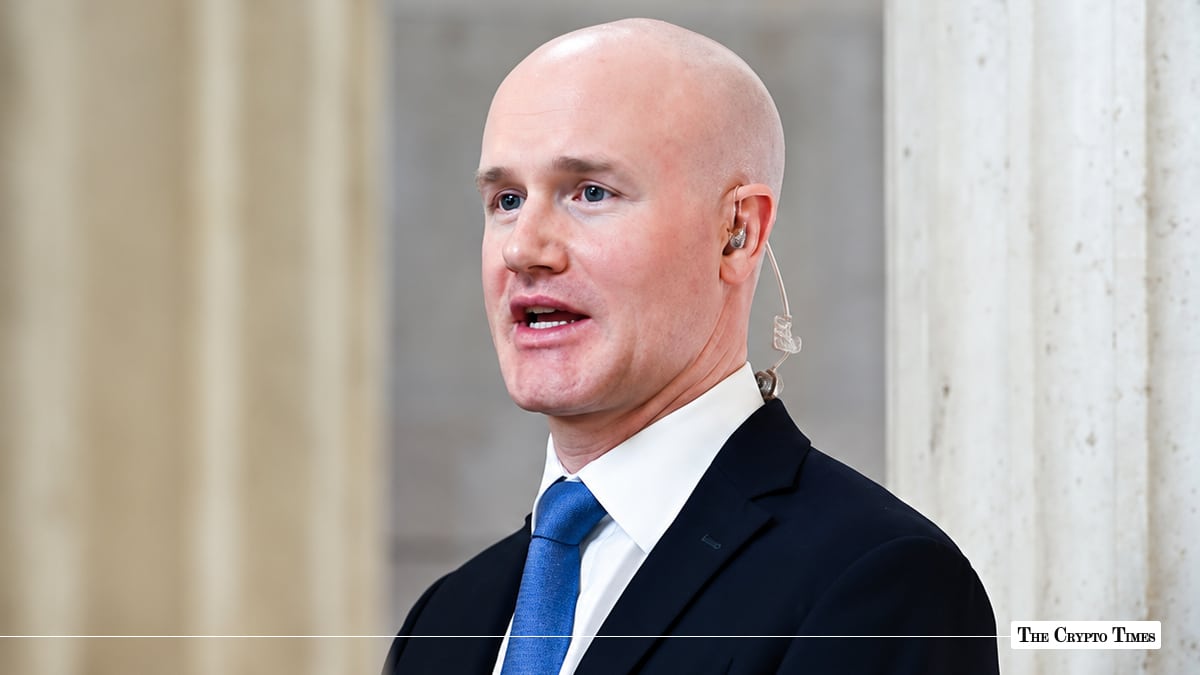
Coinbase CEO Brian Armstrong stepped up his advocacy for the CLARITY Act over the weekend, using a Fox Business interview and his X account to press the case for the crypto market-structure bill ahead of a key Senate procedural vote.
In a post on September 1, 2026, Armstrong wrote that, “The Clarity Act delivers clear rules for crypto,” adding that “most banks realize that’s not a threat, it’s an opportunity” and that “the win for everyone is having this industry built right here in America.”
The message continued a run of public appeals. A day earlier, Armstrong framed the bill around consumer protection and said it was “time to get the Clarity Act… over the finish line,” arguing that there was “something in it for everyone: banks, law enforcement, crypto companies, and most importantly the American people.”
The CLARITY Act and the September 15 Vote
The Digital Asset Market Clarity Act (H.R. 3633) would establish a federal framework for digital assets, drawing clearer lines between which tokens are regulated as securities by the SEC and which are treated as commodities overseen by the CFTC. The House passed it in July 2025 by a 294-134 vote, but it stalled in the Senate and missed a chance to pass before the August recess.
On August 8, Senate Majority Leader John Thune filed cloture on the motion to proceed, setting up a September 15 procedural vote on whether to limit debate and advance the measure. A cloture vote on the motion to proceed ends debate on whether to take up a bill, blocking a filibuster so the Senate can start considering it. That vote requires 60 votes and would not by itself constitute final passage of the bill.
With Republicans holding 53 seats, the bill would need support from at least seven Democrats or independents if all Republicans vote in favor. Armstrong has previously said he is optimistic: he told CNBC on August 20 that Thune “would not have scheduled this on September 15 if he didn’t think it would pass,” and argued that “both sides got 90% or so of what they want.”
Why the Bill Has Stalled
Not everyone shares Armstrong’s optimism, and the reasons the bill stalled remain live. Senate Democrats have raised objections over ethics provisions, DeFi, rewards and regulatory authority, with ethics rules governing crypto holdings and activities by senior federal officials remaining among the key disputes.
That concern is inseparable from President Donald Trump’s own extensive crypto ventures, and critics argue the bill does too little to prevent a sitting president from profiting from the industry his administration regulates. Sen. Elizabeth Warren (D-Mass.) has been the most vocal opponent, previously calling versions of the legislation effectively dead on arrival.
The ‘Banks as Opportunity’ Framing
Armstrong’s emphasis on banks comes as some traditional financial institutions have expanded their involvement in crypto, though his claim that most banks view the bill as an opportunity remains his characterization rather than an independently established consensus.
Over the past year, US regulators have rolled back “reputation risk” and other supervisory hurdles that crypto firms blamed for “debanking,” the GENIUS Act created a federal stablecoin framework, and a wave of firms, including crypto companies, have pursued national trust-bank charters.
But the banking industry’s own posture is more contested than that framing implies, and it is on the record. In a series of joint statements, the largest bank trade groups, including the American Bankers Association (ABA), the Bank Policy Institute (BPI), the Consumer Bankers Association, the Financial Services Forum, the Independent Community Bankers of America and the National Bankers Association, have said they support establishing clear digital-asset rules but have actively pressed to change the bill, warning that its stablecoin provisions (Section 404) would permit interest-like payments that “siphon” bank deposits and threaten local lending.
ABA president and CEO Rob Nichols, in an August 19 op-ed, said the group wants to “strengthen the Clarity Act, not kill it,” while accusing crypto backers of spreading false narratives that banks are blocking the legislation; the ABA had earlier rejected a White House-brokered compromise in March 2026. Bill sponsors, including Senate Banking Committee Chairman Tim Scott (R-N.C.), have defended the measure as the product of months of bipartisan negotiation, and the crypto industry disputes the banks’ deposit-flight warning.
In other words, whether the bill is a bank “opportunity” or a threat to deposits is itself the contested question, not the settled point Armstrong’s post implies. Armstrong’s framing is best read as advocacy from an interested party, not a neutral survey of the banking sector.
‘Clarity Either Way’
Armstrong has also argued that clearer US rules are coming regardless of the vote’s outcome. He has pointed to two paths: passage of the CLARITY Act or new rules from federal market regulators if the legislation stalls. CFTC Chairman Mike Selig has signaled the agency is preparing its own digital-asset market-structure rules if the bill stalls, and the SEC has advanced a separate “crypto assets” exemption proposal.
That regulatory backstop is part of why the industry frames mid-September as a turning point either way; though rules written by agencies are generally seen as less durable than a law, since they can be revised by a future administration.
What’s Next
The Senate returns on September 14, with the cloture vote scheduled for September 15. If cloture succeeds, the bill would still need to advance through the Senate and ultimately clear final passage before it could become law. Because the Senate version differs from the House’s, the legislation would also need to return to the House before reaching the president’s desk.
If cloture fails, the bill would face another major setback and attention could shift toward regulatory action by the SEC and CFTC. The Crypto Times will cover the vote and its aftermath, and makes no prediction on the outcome or on prices.