Senate leadership moved in the early hours of Saturday to file a motion to proceed on H.R. 3633, marking the farthest progress the legislation has made in the upper chamber so far.
The filing came at the tail end of a marathon overnight voting session and puts the bill on track for an initial procedural vote almost immediately after lawmakers return from their summer recess in September.
As per Coindesk, the clerk read the filing on the Senate floor as follows: “We, the undersigned senators … hereby move to bring to a close debate on the motion to proceed to calendar number 423, [House Resolution] 3633, an act to provide for a system of regulation of the offer and sale of digital commodities by the Securities and Exchange Commission and the Commodity Futures Trading Commission, and so forth and for other purposes.”
The motion places the CLARITY Act inside a queue governed by cloture, an arcane Senate procedure that involves multiple procedural stages and mandatory waiting periods before a contested bill can reach a final up-or-down vote.
September Window Becomes the New Deadline
Although the filing keeps the bill alive, it comes after the Senate missed its pre-recess window to hold a full vote. That means the legislation now heads into a three-week floor stretch in September, the final period lawmakers will spend in Washington before turning their attention to campaigning for the November midterm elections.
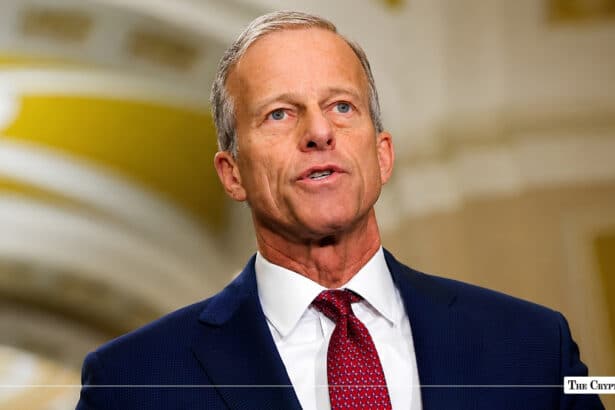
Majority Leader John Thune’s decision to file the motion before the break allows the Senate to hold its first procedural vote as early as day two of the September session. Industry insiders and Senate staffers indicated on Friday that a September passage remained achievable if lawmakers could resolve their outstanding disagreements in the intervening weeks.
Thune had warned in the weeks leading up to the recess that a pre-August vote was unlikely, pointing to more time-sensitive matters on the Senate’s plate, including federal funding legislation, a Russia sanctions bill, and pending nominations, all of which the chamber powered through on Friday night. Against that backdrop, the last-minute filing has been read by observers as a cautious signal of optimism from the majority leader’s office.
The 60-Vote Wall and the Democratic Holdouts
The CLARITY Act will need at least 10 Senate Democrats to sign on if it is to clear the 60-vote threshold required to end debate and advance to a final vote. That level of bipartisan support has been in doubt for weeks.
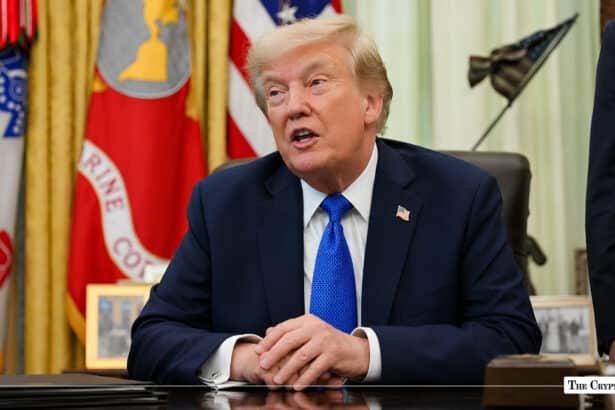
Several Democrats who have been active in the negotiations have dug in over a provision that would bar senior government officials, including President Donald Trump, from backing or profiting from crypto projects. A revised version of that ethics section, drafted by a bipartisan pair of senators, has reportedly been sitting at the White House for at least a week without a response. The bill would likely require the President’s sign-off before it can move forward as a bipartisan measure.
Negotiators are also still trying to bridge gaps on the bill’s illicit-finance safeguards and the ongoing dispute over stablecoin rewards and yield.
Two Paths Forward in September
The first cloture test in September could play out in one of two ways. A last-minute negotiating breakthrough could pull enough Democrats on board to keep the legislation on track toward final passage. Alternatively, the procedural vote could turn into a political exercise designed to put opposition on the record, which would open the door for crypto political action committees such as Fairshake to make spending decisions ahead of the midterms based on how individual lawmakers vote.
If the partisan divide remains locked in place when senators cast that first cloture vote, the odds of the CLARITY Act becoming law this year drop sharply. A failure in 2026 would push the debate into a new Congress, one where Democrats could control the agenda in at least one chamber, likely forcing the industry to restart its lobbying playbook from scratch.
From a strictly procedural standpoint, senators only need a handful of the roughly 15 working days in September to move the bill through the required voting sequence, provided the political agreement is in place before the chamber reconvenes.
Also Read: Amid Bank CLARITY Act Pushback, Lummis & Moreno Back Credit Card Bill