Key Highlights
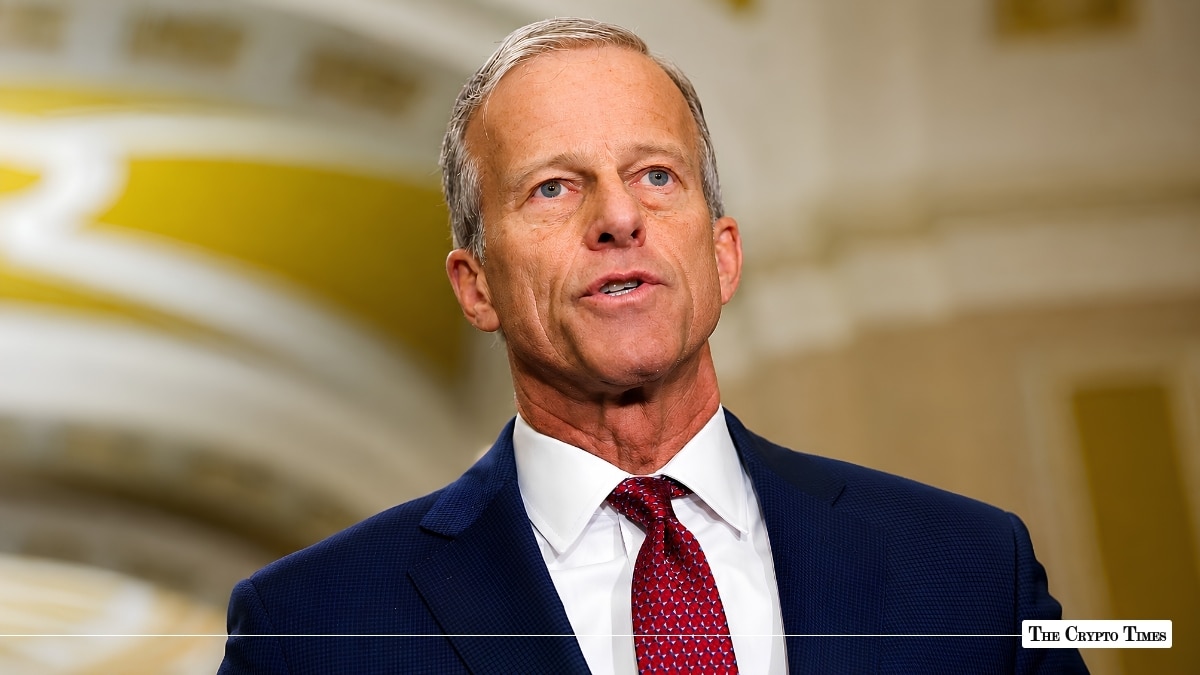
- Senate Majority Leader John Thune still intends to file cloture on the motion to proceed to the CLARITY Act before lawmakers leave for August recess, according to sources.
- Negotiators continue working through disagreements over staking yield and bipartisan ethics language.
- Cloture requires 60 votes; Republicans have 53 in support, meaning at least seven Democrats must cross.
Senate Republican leadership is still preparing to advance the CLARITY Act before Congress begins its August recess, even as lawmakers continue negotiating several unresolved provisions that have repeatedly delayed the crypto market-structure legislation.
In an X post on Saturday, journalist Eleanor Terrett reported that Senate Majority Leader John Thune’s office has told crypto industry leaders that he still intends to file cloture on the motion to proceed to the CLARITY Act before lawmakers leave Washington.
If that procedural step is completed, it would allow the Senate to take up the legislation after lawmakers return in September, though the bill’s ultimate path remains uncertain.
The signal comes days after the CLARITY Act missed its August 7 deadline. Thune declined to file the cloture motion required to start a floor vote, instead filing on the motion to proceed to the Protect College Sports Act, on a substitute amendment to the continuing-resolution vehicle, and on Todd Blanche’s nomination for attorney general, with no corresponding filing for CLARITY. Terrett read the college sports filing as a signal that no bipartisan agreement existed on the crypto bill.Under Senate Rule XXII, a cloture motion must ripen for an intervening day before a vote can occur, which is why the filing deadline runs ahead of any floor action.
Latest step in weeks of Senate negotiations
The reported plan follows several weeks of stop-and-start negotiations surrounding the CLARITY Act.
Earlier this week, Senate leaders delayed filing cloture as negotiators attempted to bridge differences over key sections of the bill, particularly ethics provisions and the treatment of staking yield. Despite those delays, Thune’s office now appears to be keeping the legislation on the Senate’s agenda rather than postponing it indefinitely.
Under Senate Rule XXII, a cloture motion must ripen for an intervening day before a vote can occur, which is why the filing deadline runs ahead of any floor action.
The latest update also follows Senator Tim Scott’s public call for the Senate to begin considering the CLARITY Act before lawmakers departed for the August recess, arguing there was still enough time to move the legislation forward despite competing items on the legislative calendar.
Yield dispute returns to the forefront
One of the biggest obstacles remains the bill’s language governing staking yield.
According to Terrett’s reporting, negotiations over yield have intensified after recent Wall Street Journal opinion pieces and renewed lobbying from banking groups, which have reportedly convinced some Republican lawmakers that portions of the current language should be revised.
Negotiators are now attempting to find a compromise that preserves support from the digital asset industry while addressing concerns raised by traditional financial institutions.
Ethics talks continue
Lawmakers are also still trying to reach agreement on bipartisan ethics provisions, another issue that has complicated efforts to assemble sufficient Senate support.
Previous negotiations have centered on conflict-of-interest rules and restrictions involving public officials’ participation in digital asset markets.
Without an agreement on ethics language, the bill could struggle to attract the bipartisan backing likely required to clear procedural hurdles in the Senate.
Industry pressure builds
The latest procedural update comes as pressure from the crypto industry continues to mount.
Earlier this week, Senator Bill Hagerty called for a Senate vote on the CLARITY Act, arguing the United States risks falling behind other jurisdictions in developing a regulatory framework for digital assets.
Recently, Coinbase CEO Brian Armstrong urged senators to “call the vote,” arguing that the legislation had broad support and was being delayed by procedural negotiations rather than fundamental policy disagreements.
Industry groups have likewise continued pressing lawmakers to advance the bill, arguing that a federal market structure framework is needed to provide regulatory clarity for digital asset businesses operating in the United States.
White House yet to respond
The White House has not publicly commented on the latest negotiations.
According to Terrett’s sources, there has been no new response from the administration, although officials are reportedly under less immediate pressure to weigh in now that Senate leadership intends to pursue cloture before the recess.
Whether the CLARITY Act ultimately advances will depend on lawmakers’ ability to resolve disagreements over staking yield, ethics provisions, and broader bipartisan support before the Senate returns in September.
Also Read: Trump Discusses Crypto Legislation, Family Ties and China Competition