Key Highlights
- Tim Scott said the Senate should vote on the CLARITY Act before the current work period ends.
- Scott accused Democrats of delaying negotiations despite Republican support for the legislation.
- He argued the bill would establish federal standards for crypto firms, including rules governing rewards programs.
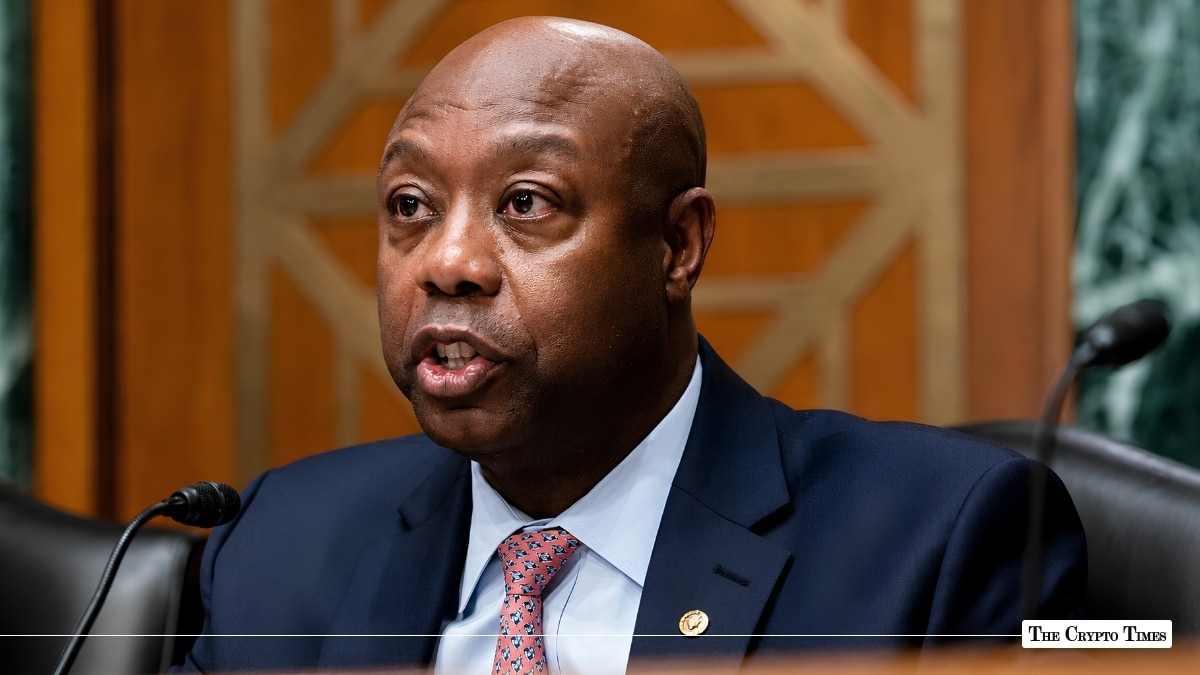
Senate Banking Committee Chairman Tim Scott urged lawmakers to advance the CLARITY Act, saying the Senate should hold a procedural vote before leaving Washington rather than delaying action until lawmakers return.
In a Fox Business interview on Thursday, Scott said the Senate has enough time to begin consideration of the crypto market structure bill despite competing priorities, including government funding, defense legislation, and judicial nominations.
“This is something we should have a first vote on before we leave, without any question,” Scott said. “We have the time to get it done.”
Scott described the legislation as an important step toward establishing a regulatory framework for digital assets while protecting consumers and supporting innovation in the United States.
Scott blames Democrats for delays
Scott argued that Republicans have continued building support for the legislation while accusing Democrats of repeatedly changing their negotiating position. “Democrats have been stonewalling for over a year. Every time we say ‘yes,’ they move the goalpost,” Scott said.
He said Republicans were working to consolidate support within their conference before seeking additional Democratic votes. The CLARITY Act is expected to require bipartisan support in the Senate, making negotiations with Democrats a key part of its path forward.
Meanwhile, a day earlier, Senator Elizabeth Warren said she supports legislation establishing rules for the cryptocurrency industry in principle but argued that the current version of the CLARITY Act requires stronger safeguards before the Senate should move forward.
Her comments reflect broader concerns among some Democrats over consumer protection, anti-money laundering standards, and oversight of digital asset platforms.
Ethics remain a major negotiating point
Scott also addressed one of the most contentious issues surrounding the legislation: ethics provisions governing elected officials’ involvement in digital asset businesses.
He said President Donald Trump had already shown flexibility during negotiations by agreeing to proposed ethics standards. “President Trump has done something no other president in the history of our country has said yes to, which is complying with ethics standards for all elected officials,” Scott said.
Ethics provisions remain one of the primary sticking points in Senate negotiations, alongside discussions over enforcement authority and regulatory oversight.
Scott says CLARITY would establish federal rules
Responding to criticism from parts of the banking sector over crypto rewards programs, Scott argued that the current regulatory vacuum poses a greater risk than the legislation itself.
He said the CLARITY Act would establish long-awaited standards governing digital asset businesses. Scott added that regulatory clarity would help preserve U.S. leadership in financial innovation as digital assets continue expanding globally.
Latest push comes after weeks of pressure
Scott’s remarks add to growing calls from lawmakers and the crypto industry to move the legislation before Congress pauses its work.
Earlier this week, Senator Cynthia Lummis said she expects the Senate to vote on the CLARITY Act before recess, while acknowledging that negotiations remain ongoing over ethics provisions and enforcement language after nearly a year of discussions.
The legislation has also received renewed support from the private sector. Last week, Grayscale urged Senate leaders to bring the bill to the floor before the August recess, arguing that prolonged regulatory uncertainty risks pushing digital asset businesses, investment, and talent outside the United States.
Legislative window continues to narrow
Although Scott expressed confidence that lawmakers still have time to move the legislation, the bill continues competing with several other priorities on the Senate calendar, including the National Defense Authorization Act (NDAA), government funding measures, reconciliation legislation, and confirmation votes.
With lawmakers, industry participants, and Senate leadership all signaling urgency, the coming days are likely to be critical in determining whether the CLARITY Act advances before Congress adjourns or slips further down the legislative agenda.
Also Read: Senator Bill Hagerty Pushes CLARITY Act Vote Despite Senate Delay