Key Highlights
- Sen. John Thune is aiming to advance the CLARITY Act before the August recess, with a cloture vote possible this week.
- Ethics negotiations remain the biggest hurdle, as unresolved differences could prevent the bill from securing the 60 votes needed to proceed.
- If cloture fails, the legislation is likely to be delayed until after the recess, facing a more crowded legislative calendar and election-year pressures.
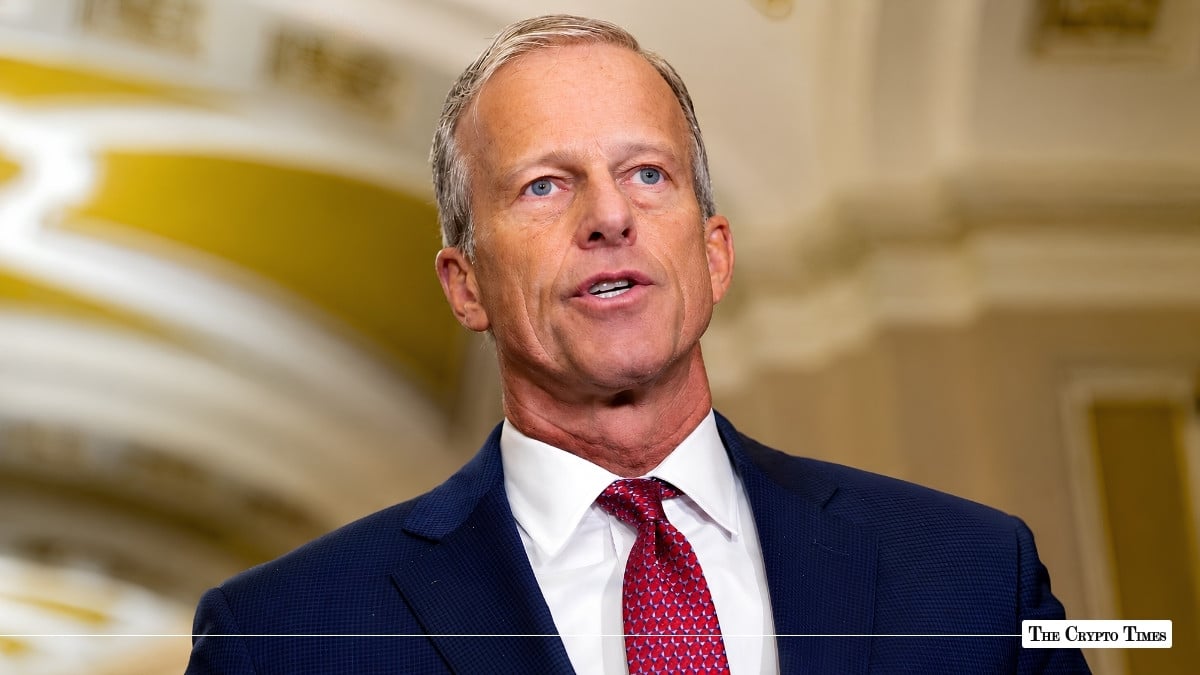
Senate Majority Leader John Thune (R-SD) faces a narrow window to advance the long-awaited CLARITY Act before lawmakers leave for the August recess. Under Senate procedures, Thune would need to file a cloture motion as early as Tuesday to allow a vote by Thursday while keeping the chamber on schedule for its planned break.
According to a Crypto In America report, Thune said that he intends to keep the Senate in session until it clears a full slate of unfinished business. That agenda includes a continuing resolution to keep the government funded, a Russia sanctions measure, a package of nominations, a possible college sports bill, and a cloture vote on the crypto legislation.
Three key issues remain under negotiation
Even as those items compete for floor time, negotiations continue on three of the bill’s most contentious issues: ethics rules, the Blockchain Regulatory Certainty Act provisions, and sections of the Senate Agriculture Committee text.
“I think market structure we’ll get a vote on,” Thune said. “Whether we can get on it or not, we’ll see.” The comment left open the central question of whether Republicans can secure the 60 votes required to begin formal debate and consider amendments.
Unresolved ethics dispute remains biggest obstacle
The CLARITY Act is bipartisan legislation designed to establish a regulatory framework for digital assets in the U.S. It would give the Commodity Futures Trading Commission (CFTC) primary oversight of spot digital commodity markets while reserving the Securities and Exchange Commission’s (SEC) authority over investment contract assets. The bill aims to replace enforcement-driven regulation with clear rules, protect consumers, and foster innovation.
Amid its progress, the biggest obstacle remains the unresolved ethics dispute. The White House has not yet replied to a bipartisan counterproposal submitted last week by Sens. Thom Tillis (R-NC) and Ruben Gallego (D-AZ). The revised offer builds on an earlier understanding reached between the administration and Senate Republicans and adds an enforcement role for state attorneys general, a step Democrats have sought but the White House has resisted.
Without an agreement, supporters may struggle to secure the 60 votes needed to invoke cloture. Tillis has indicated he will not support the bill without stronger ethics language, while some Republicans have also raised concerns about the legislation’s stablecoin yield provisions.
Kristin Smith warns of potential delay
Industry advocates who once projected confidence are now more cautious in private conversations, warning that a failed procedural vote would leave the bill’s path forward unclear.
Kristin Smith, President of the Solana Policy Institute and former Blockchain Association CEO, has said major legislation rarely moves in a straight line. Bills often stall, return for further negotiation, and eventually advance. She pointed to the GENIUS Act, which failed an initial cloture vote before ultimately passing the Senate 68-30 and becoming law.
Still, she acknowledged that midterm election pressures and the approaching recess create a tighter political environment this time. Smith has described the current week as the final realistic chance to move the CLARITY Act before the recess.
Trade groups push back against criticism
Meanwhile, the crypto industry’s trade groups have pushed back against criticism from law-enforcement organizations. The National Sheriffs’ Association, representing more than 3,000 sheriffs and 10,000 public-safety officials, wrote to Thune and Minority Leader Chuck Schumer on July 31, urging them to reject or significantly narrow a key developer-protection section of the bill.
The group argued that language drawn from the Blockchain Regulatory Certainty Act would create overly broad exemptions for decentralized finance protocols, mixers, and cross-chain bridges from anti-money-laundering, sanctions, and know-your-customer requirements. Industry representatives countered that the bill does not exempt DeFi from existing AML obligations and that the provision is essential for providing regulatory clarity to developers.
A successful cloture vote would open the door to amendments and final passage talks. A failure would likely push the bill into the post-recess calendar, where election-year dynamics and competing legislative demands could make progress even harder.
Also Read: Warren, Blumenthal Urge SEC to Probe Trump’s $TRUMP Memecoin