Key Highlights
- Putin’s aide says Russia must count crypto flows in its balance of payments as digital transactions now bypass traditional banking.
- Maxim Oreshkin warns that ignoring crypto skews Russia’s trade data as firms use digital assets for cross-border payments.
- Russia’s mining sector now acts like a hidden export, generating huge digital earnings that never appear in official economic stats.
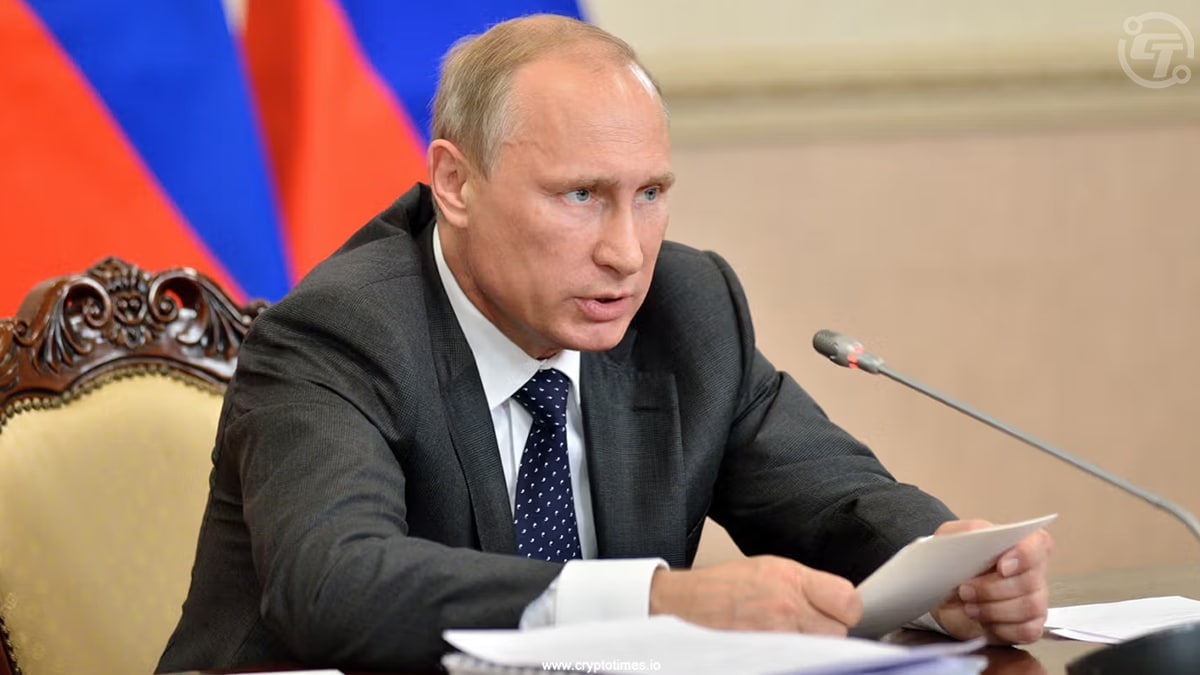
A senior Russian official close to President Vladimir Putin says the country should start counting cryptocurrency in its official balance of payments, the key economic metric that tracks how much money flows in and out of Russia.
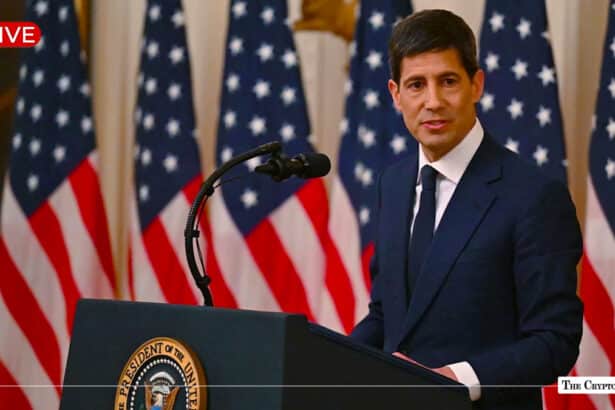
In a local report, Maxim Oreshkin, Deputy Chief of Staff of the Presidential Executive Office, said current statistics miss a growing part of Russia’s economy because many companies now use crypto to pay for imports or move money across borders.
Since these transactions happen outside traditional banking channels, they don’t show up in the data the central bank publishes.
Oreshkin argued that crypto is “a form of money supply” and that ignoring it distorts how Russia’s currency and trade flows actually work.
Mining becomes a major “hidden export”
Russia’s crypto mining industry has quietly become one of the world’s largest, and officials say it is now too big to overlook.
According to Oreshkin, mining generates “enormous sums” that function like an export: miners create digital currency inside Russia and then sell it abroad or use it to pay for goods. Because these earnings are not recorded anywhere, he said they should be included in official economic statistics.
Industry figures back up his comments. Russia is responsible for nearly 16% of global Bitcoin (BTC) mining power, second only to the U.S. Miners in the country produced about 55,000 Bitcoin in 2023 and around 35,000 in 2024, with the drop linked to Bitcoin’s halving event.
Some analysts estimate that mining revenues reach roughly 1 billion rubles (around $12.9 million) every day. Total investments in data centers, power infrastructure, and equipment may already exceed 100 billion rubles.
Push to regulate a once-untrusted sector
After years of doubt, Russian authorities are starting to officially include crypto in the economy. Mining became legal on November 1, 2024. The government has set rules that require companies to register with the tax service and report income from mining or crypto transactions.
In October this year, the central bank and the Ministry of Finance decided to recognize cryptocurrency payments as a valid form of international trade under a controlled “experimental legal regime.” However, the details are still kept secret because of sanctions.
Still, the industry faces obstacles. Several regions are facing full mining bans from January 2025 to 2031, including Dagestan, Chechnya, North Ossetia, and parts of the newly annexed territories. On the other hand, other areas like Irkutsk and Buryatia will apply seasonal restrictions during the winter months to protect overloaded power grids.
Experts say the sector still operates partly in the “gray zone.” They argue that Russia needs clearer rules for mining companies, better tax collection, and even an amnesty for miners who previously imported equipment illegally. Industry advisers also want specific regulations for mining pools and improved business standards to bring the sector fully above board.
Meanwhile, Russia has begun using cryptocurrency for cross-border trade under the confidential legal regime, with the central bank now overseeing such payments as Moscow looks for alternatives amid sanctions.
Also Read: KuCoin Launches AI Crypto Hub with Institutional Upgrades