Key Highlights
- Representative William Timmons asked how governments will track and tax digital assets as blockchain payments become more common.
- A roundtable witness said blockchain networks are faster and more efficient, making them likely to become a major part of future payment systems.
- The discussion comes as lawmakers debate new crypto rules, including the CLARITY Act and regulations for tokenized securities.
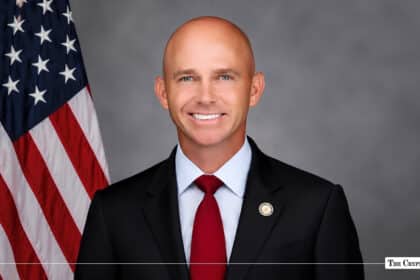
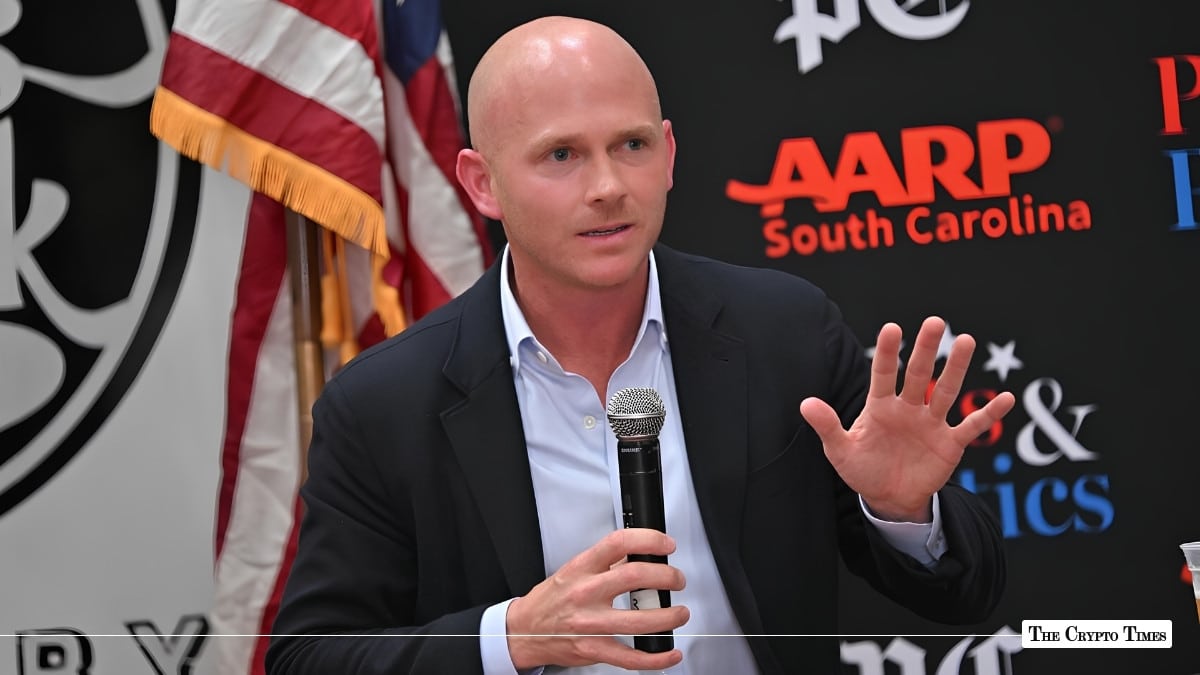
U.S. Representative William Timmons has questioned how governments will be able to track, regulate, and tax digital assets as blockchain technology becomes more common around the world.
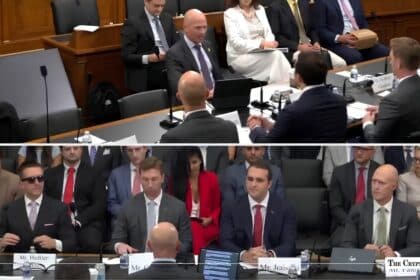
Speaking during a congressional roundtable held today, Timmons asked what the future could look like if blockchain-powered payments become a normal part of everyday life. His comments came during a discussion focused on how digital assets are changing the way people move money and access financial services.
Timmons pointed to how governments currently collect taxes and tariffs on physical goods that move across borders. He then questioned how similar oversight would work in a future where value is transferred digitally through blockchain networks.
“So if I do that with digital assets, the way that you just did that, there is a record but government’s ability to track it,” Timmons said. “What’s the future hold for that? How are governments going to adapt to technology in that regard?”
Can governments keep up with blockchain technology?
His question touched on a growing issue facing policymakers as digital assets become more widely used. While blockchain transactions leave a record on a public ledger, lawmakers are still debating how governments can effectively oversee, tax, and monitor activity in a financial system that may increasingly run on decentralized technology.
Responding to Timmons, Dustin Palmer, Bank Secrecy Act Officer, Anchorage Digital Bank, said governments will have little choice but to adapt because blockchain-based systems are becoming more efficient than many traditional payment networks.
“Because this technology is so fast, secure, relatively cheap and 24-7, it’s going to take over,” Palmer said. “These rails are so much more efficient that they’re going to take over.”
He explained that the shift may not be obvious to everyday users. People could continue using familiar payment services while blockchain technology operates in the background. According to the witness, networks such as Visa, Mastercard, Zelle, and other payment systems could eventually rely on stablecoin or blockchain rails to process transactions.
“In many economies it will actually happen without consumers even noticing,” the witness said.
The discussion highlighted a broader debate over how governments can maintain financial oversight while allowing innovation to grow. As blockchain technology becomes more integrated into global payments, questions around taxation are expected to become more important.
Crypto’s role in financial freedom
The roundtable itself focused on how cryptocurrencies are being used by people living under authoritarian governments. In his opening remarks, Timmons said decentralized digital assets can give people more control over their money when governments restrict banking access or place limits on financial activity.
He said technologies such as Bitcoin can help people store value, send funds, and receive support from others without government interference. Timmons also noted that digital assets can be important tools for journalists, activists, and dissidents operating in difficult environments.
Crypto regulation remains a key focus in Washington
The discussion comes as lawmakers continue to examine the future of digital asset regulation in the United States. One of the most closely watched proposals is the Digital Asset Market Clarity Act, known as the CLARITY Act, which could help determine how digital assets are regulated in the United States. The bill is approaching a key stage in the Senate, where lawmakers are expected to debate its final details.
At the same time, lawmakers are discussing how the United States should regulate tokenized securities, which are traditional financial assets represented on blockchain networks.
Also Read: US Lawmakers Hear Case for Crypto in National Security Strategy