Key Highlights
- Rep. William Timmons called Bitcoin a “profound challenge” to authoritarian governments.
- Experts from Anchorage Digital, Digital Chamber, and policy groups joined the discussion.
- Timmons warned China could dominate global digital finance standards without U.S. leadership.
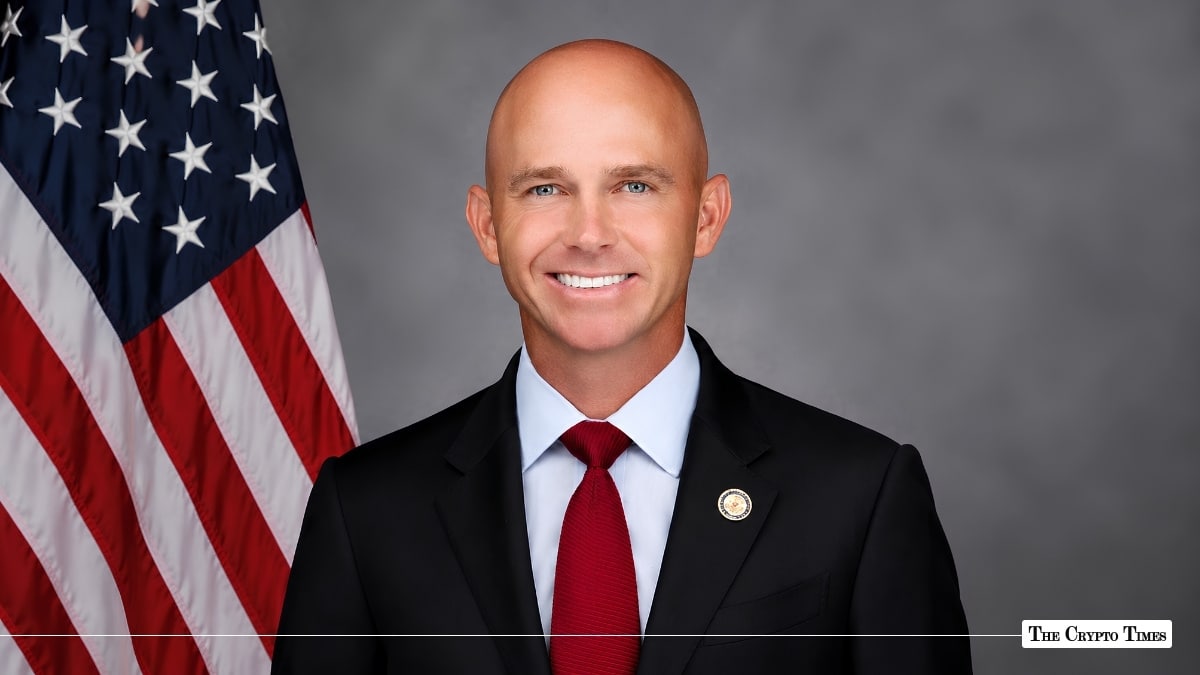
U.S. Representative William Timmons (R-S.C.), Chairman of the House Oversight Subcommittee on Military and Foreign Affairs, underscored the power of decentralized digital assets in challenging authoritarian control during a congressional roundtable on June 25, 2026.
Titled “Two Sides of a Digital Coin: Protecting U.S. Security by Challenging Repressive Foreign Regimes,” the session brought together experts to explore how cryptocurrencies empower individuals living under oppressive governments while advancing American national security interests.
In his opening remarks, Chairman Timmons described Bitcoin and decentralized technologies as “a profound challenge to authoritarian control.” He stated, “When a regime can no longer control its citizens’ access to information or money, what do you have left?” Timmons went further, calling cryptocurrency “potentially the beginning of the end of all authoritarian governments.”
Timmons emphasized the digital assets’ potential
Timmons emphasized the lifesaving potential of digital assets for millions under repressive rule. “The ability to store value, send money, or receive support from abroad without government interference can be lifesaving,” he noted. These tools are particularly vital for dissidents, journalists, and activists who rely on them to bypass capital controls and surveillance.
The roundtable featured prominent voices, including Dustin Palmer, Bank Secrecy Act Officer at Anchorage Digital Bank, the first federally chartered crypto bank in the U.S.; Jorge Charasati, President of the Economic Inclusion Group, who researches how people in authoritarian countries use digital tools for financial freedom; Cody Carbone, CEO of the Digital Chamber; and Dylan Hetler-Gaudet from the Project on Government Oversight.
The chairman also addressed geopolitical stakes. He warned that failure by the United States to lead in digital asset development and regulation would allow adversaries like China to dominate. “The Chinese Communist Party has made clear that it intends to shape global standards around state-controlled digital currency, surveillance-based financial systems, and cross-border payment architectures that advance Beijing’s geopolitical aims,” Timmons said.
Senator Lummis’s thoughts align with the chairman’s
Senator Lummis’s previous comments strongly align with recent remarks by Chairman William Timmons, who cautioned that failure to lead would allow the Chinese Communist Party to dominate global standards through state-controlled digital currencies and surveillance-based financial systems.
“If the United States doesn’t establish the global standard for digital asset regulation, someone else will,” Lummis stated. “China is not waiting.”
With this, Lummis has renewed her call for the swift passage of the CLARITY Act, warning that America risks ceding its leadership in the global financial system without clear digital asset regulations.
What’s next in the discussion
The chairman also stressed the need for democratic nations to set norms for digital finance to protect both individual liberty and U.S. national security. The discussion focused on three key areas: how these technologies are used on the ground in authoritarian environments, where U.S. policy is helping or hindering progress, and what Congress can do to strengthen global freedom and American competitiveness.
This roundtable aligns with growing congressional interest in positioning digital assets as strategic tools against financial repression. Experts are expected to share insights on real-world usage in restricted economies, while industry leaders will discuss regulatory frameworks that balance innovation with security.
With participation from key industry and policy figures, the event highlights Congress’s increasing engagement with the intersection of technology, human rights, and security. As digital assets continue maturing, conversations like this could shape America’s approach to financial innovation in an era of great power competition.
Also Read: Base Mainnet Stalls After Invalid Block Triggers Consensus Failure