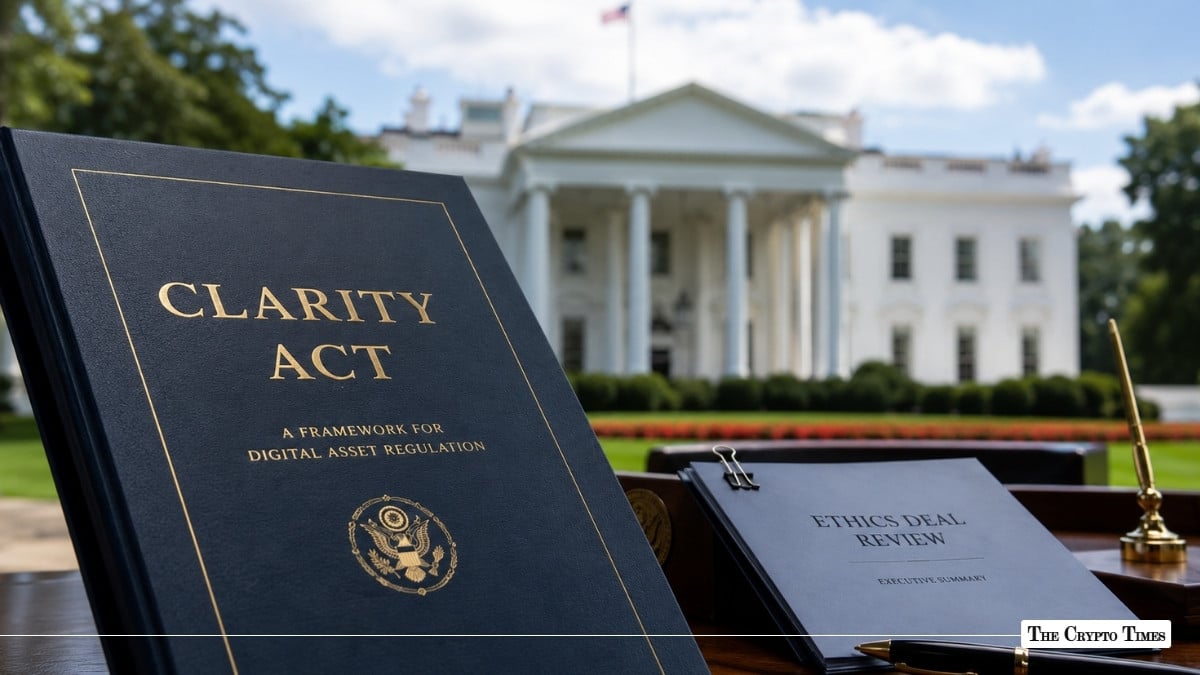
A bipartisan compromise on the crypto-ethics rules that have stalled the CLARITY Act is now before the White House, which is reviewing it over the weekend, a step that could determine whether the sweeping crypto market-structure bill reaches a Senate vote before lawmakers leave for their August recess.
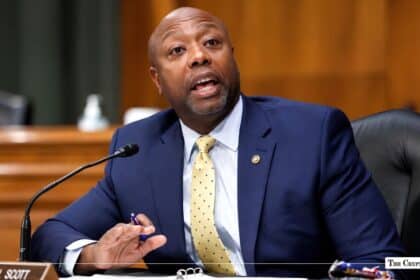
The proposal, developed by Senators Thom Tillis (R-NC) and Ruben Gallego (D-AZ), was sent to the administration on Thursday morning, according to Punchbowl News, and aims to break a monthslong deadlock over how to enforce restrictions on federal officials, including President Donald Trump, profiting from cryptocurrency.
The full text of the latest compromise has not been publicly released, and several of its provisions remain unconfirmed.
What changed: The enforcer, not the ban
The revision does not alter the core prohibition, barring senior federal officials from issuing or sponsoring digital assets, so much as who enforces it. Under the earlier, White House-backed language, enforcement rested solely with the U.S. Department of Justice (DOJ). The Tillis-Gallego proposal would add a role for state attorneys general, allowing state authorities to enforce the ban rather than leaving it entirely to the federal DOJ.
That change targets the single biggest Democratic objection. Several Democrats had argued that a rule enforced only by an attorney general appointed by Trump would be effectively unenforceable against the president himself. Giving states standing is intended to give reluctant Democrats enough assurance to support the broader bill. The White House did not immediately respond to requests for comment on the draft it received.
The ethics dispute
The stakes are unusually high because the ethics fight is the last major obstacle to the Digital Asset Market CLARITY Act (H.R. 3633), the most consequential U.S. crypto legislation to date. The bill would divide regulatory jurisdiction over digital assets between the Securities and Exchange Commission (SEC) and the Commodity Futures Trading Commission (CFTC), long a source of uncertainty for the industry, and also contains provisions touching stablecoins and decentralized finance. The House passed it 294–134 in July 2025, and the Senate Banking Committee advanced its version 15–9 in May 2026, but it has since stalled in the full Senate almost entirely over the ethics question.
The provision exists because of conflict-of-interest concerns tied to the Trump family’s crypto businesses, including the decentralized-finance venture World Liberty Financial and the $TRUMP memecoin. Financial disclosures released in recent weeks showed Trump earned substantial sums from those ventures.
On July 22, the White House said it had accepted what it called the most extensive federal ethics restrictions ever proposed, language negotiated with Republican Senators Cynthia Lummis and Bernie Moreno that bars officials and their spouses from issuing or sponsoring digital assets. Democrats countered that the language fell short, it does not cover the president’s adult children, who run World Liberty Financial, and left enforcement solely with the DOJ. In a joint statement, a group of Democratic senators including Gallego said provisions on ethics, conflicts of interest, and market integrity “must be strengthened,” and Gallego has said flatly that without strong ethics rules, “you’re not going to have the Democratic votes.” Republicans have defended their version; Senator Moreno has described it as the strongest ethics provision ever passed by any Congress.
For its part, the White House has said Trump’s assets are held in a trust managed by his children and that he has no conflicts of interest, and Trump agreed to the earlier restrictions, a concession the administration characterized as unprecedented. Those positions are contested, and none of the competing claims has been tested in law.
The math and the clock
The timing is what makes the weekend review pivotal. The Senate is scheduled to leave for its recess after the first week of August, and advancing the bill requires overcoming a filibuster, a 60-vote cloture threshold. Republicans hold an effective 52–47 majority, with Senator Mitch McConnell absent for medical reasons, meaning roughly eight Democratic votes are needed. Gallego and Senator Angela Alsobrooks (D-MD), the only two Democrats who voted the bill out of committee, have conditioned their floor support on strong conflict-of-interest rules, making their votes mathematically necessary.
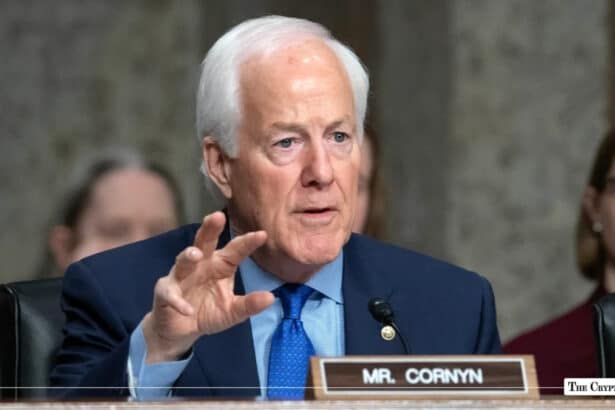
Senate Majority Leader John Thune has said he intends to press for a floor vote before the break while remaining skeptical it can be finished in time, and Treasury Secretary Scott Bessent has publicly urged the Senate to act before the recess. Because cloture is a multi-day procedure, negotiators would need the White House to sign off quickly for a vote to be teed up next week.
What’s next
If the White House signs off, Thune could move to begin the cloture process next week; if it does not, passage most likely slips past the recess and into an autumn crowded by the approaching midterm elections. The immediate signals to watch are the administration’s response to the draft and whether Gallego, Alsobrooks, and enough additional Democrats conclude the state-enforcement change is sufficient to earn their votes.
Also Read: Lummis and Warren Clash Over CLARITY Act and Trump Crypto Profits