Key Highlights
- Tim Scott’s team says Republicans made 126 changes to address concerns raised by Democrats during more than a year of negotiations.
- Democrats rejected the latest Republican offer and sent a counterproposal, saying more safeguards are needed for consumers, national security, market integrity and ethics.
- The Senate is scheduled to vote at 2:15 p.m. ET on whether to move the CLARITY Act forward, with 60 votes needed for the bill to proceed.
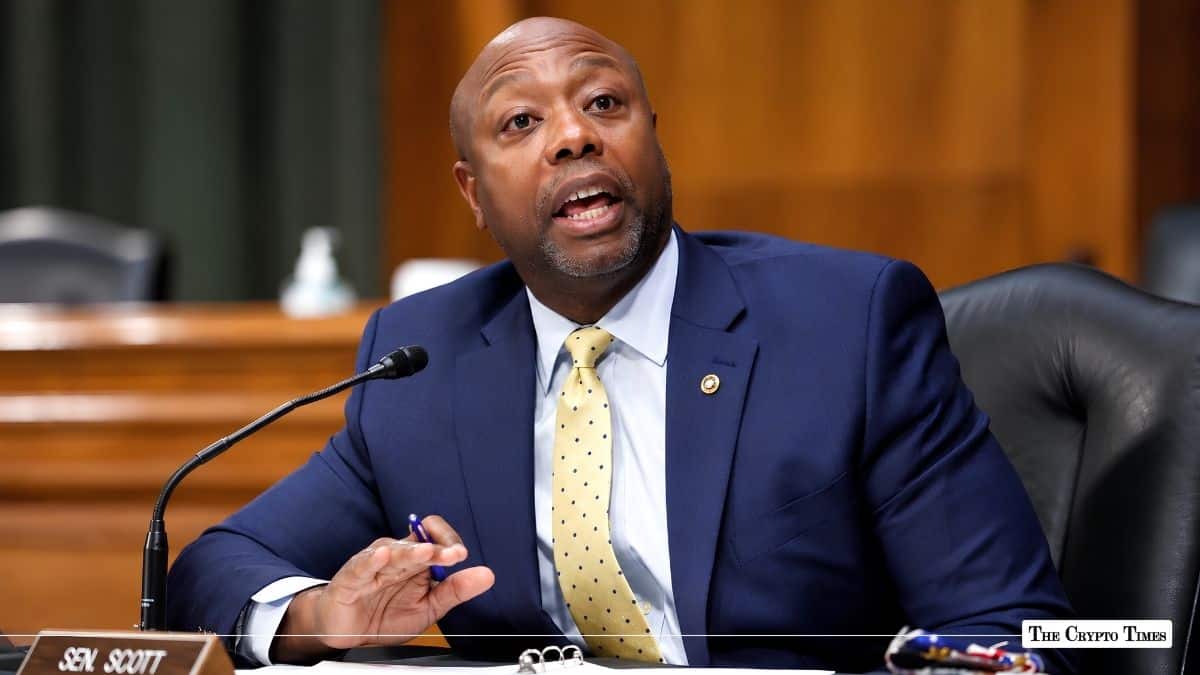
Sen. Tim Scott’s team has pushed back after Democrats rejected the latest Republican offer on the CLARITY Act, keeping the fight over U.S. crypto rules alive just hours before a Senate vote.
The dispute unfolded Tuesday, September 15, 2026, as both sides tried to settle their differences before the 2:15 p.m. ET vote.
The latest clash came after Democrats sent a counterproposal to Republican negotiators late Monday. It followed a revised Republican draft that Scott and other GOP senators had presented as their “last, best, and final” offer. Republicans say they have already made major changes to answer Democratic concerns, but Democrats say the latest version still needs more safeguards.
On X, White House reporter Eleanor Mueller posted that a spokesperson for Scott said Republicans made 126 substantive changes at Democrats’ request during more than a year of talks. The spokesperson said those changes included major steps to deal with Democratic concerns about ethics rules.
“In response to a significant step in their direction, Democrats have chosen to move the goalposts again,” the spokesperson said.
Scott’s team defends the changes
The statement said Republicans were still hearing the same demands from Democrats and accused them of refusing to accept the changes already made.
Scott’s team urged Democrats to support moving the CLARITY Act forward, saying the final text already reflects the long negotiations between both parties.
Democrats say safeguards remain
Democrats, however, say the provisions they want are not new demands.
A spokesperson for Sen. Mark Warner, a Democrat involved in the talks, said the language being sought has been discussed for much of the past year. The spokesperson said the rules are basic protections needed to keep the growing crypto market safe.
“This is language Democrats have been seeking for the better part of a year,” Warner’s spokesperson said.
The Democratic side said the provisions would help protect consumers, national security, market integrity, ethical standards and law enforcement. It also said these issues must be addressed before the United States can build a strong and lasting crypto market.
The disagreement now comes down to whether the changes made by Republicans are enough for Democrats to support the bill.
Senate vote approaches
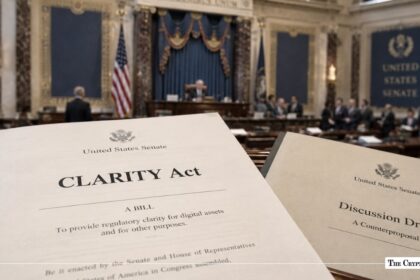
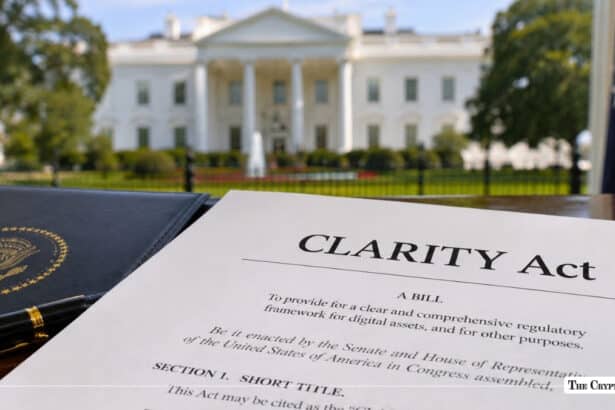
The timing makes the dispute even more important for the legislation. The Senate is scheduled to vote at 2:15 p.m. ET Tuesday on a cloture motion to move forward with H.R. 3633, the Digital Asset Market Clarity Act, commonly called the CLARITY Act.
The vote is a procedural step, not a final vote to make the bill law. It needs 60 votes in the 100-member Senate to move forward. If it passes, senators can begin formal consideration of the bill, including possible amendments and a later vote on the legislation itself.
What the CLARITY Act would do
If cloture fails, Senate consideration of the market-structure bill would face a major setback.
The CLARITY Act is designed to set clearer rules for digital assets in the United States. Under the House-passed framework, the Commodity Futures Trading Commission would oversee spot trading of digital commodities on mature blockchains, while the Securities and Exchange Commission would continue to oversee tokens treated as investment contracts.
The bill also covers rules for crypto exchanges and brokers, registration, decentralized finance and ethics rules for officials who hold or sponsor crypto.
Republicans say their latest version already includes 126 changes requested by Democrats. Democrats say the safeguards they are asking for are necessary before they can support the bill, leaving the two sides racing against the clock as the Senate vote approaches.
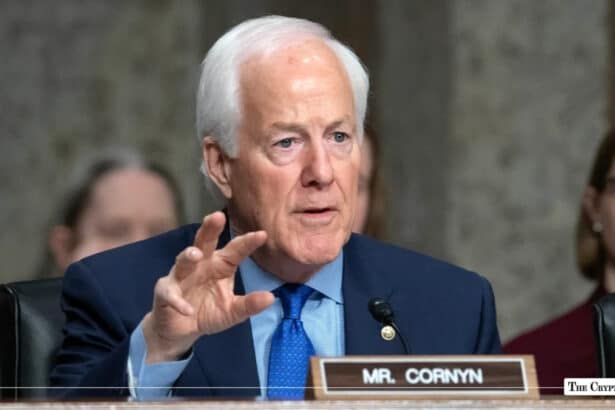
Also Read: Cornyn Signals He May Side With Banks as CLARITY Faces 60-Vote Test