Key Highlights
- More than 80 anti-trafficking and faith-based advocates urged senators to strengthen the CLARITY Act.
- The coalition warned that regulatory gaps could be exploited by traffickers and organized crime groups.
- The letter was sent to Senate Majority Leader John Thune and Minority Leader Chuck Schumer.
The Alliance to End Human Trafficking, joined by the Jesuit Conference’s Office of Justice and Ecology, dozens of Catholic sisters, survivor leaders, and over 80 Catholic and anti-trafficking advocates, sent a letter to Senate Majority Leader John Thune and Democratic Leader Charles Schumer.
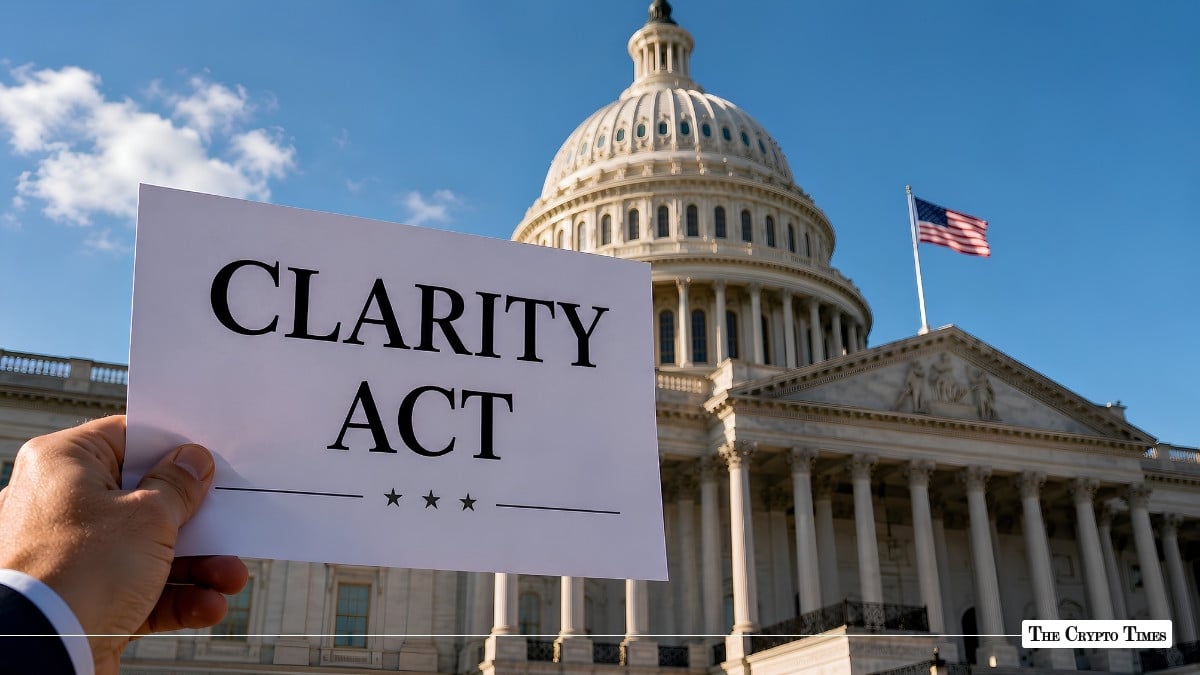
According to the official release, the coalition is calling for changes to H.R. 3633, the Digital Asset Market Clarity Act (CLARITY Act), warning that certain provisions could create loopholes exploitable by human traffickers, child exploiters, and organized crime networks.
Why the legislation matters
The CLARITY Act, which passed the House in July 2025 and advanced out of the Senate Banking Committee in May 2026 on a 15-9 bipartisan vote, seeks to establish a comprehensive regulatory framework for digital assets. It aims to clarify jurisdiction between the Securities and Exchange Commission (SEC) and the Commodity Futures Trading Commission (CFTC), designate digital commodities, and introduce rules for brokers, dealers, and exchanges.
While the bill includes Bank Secrecy Act (BSA) obligations, anti-money laundering (AML) programs, suspicious activity reporting, and new Treasury authorities to combat illicit finance, critics argue that ambiguities remain.
Coalition warns regulatory gaps could aid illicit finance
In the letter, signatories expressed concern that regulatory gaps could hinder law enforcement’s ability to monitor and disrupt financial flows tied to human trafficking and related crimes. “Human traffickers are quick to exploit new technologies when oversight fails to keep pace,” said Katie Boller Gosewisch, executive director of the Alliance to End Human Trafficking.
“We support responsible innovation and recognize the promise of emerging financial technologies, but Congress must ensure that innovation is accompanied by strong safeguards that protect vulnerable people and prevent criminal abuse,” she added.
Human trafficking generates an estimated $150 billion annually worldwide, with digital payments and cryptocurrencies increasingly used to facilitate anonymous transactions. Advocates point to documented cases where traffickers have leveraged crypto mixers, peer-to-peer transfers, and decentralized platforms to move funds beyond traditional banking oversight.
Advocates urge lawmakers to close potential loopholes
The letter urges lawmakers to close potential loopholes before the bill moves forward, particularly as the Senate works toward floor consideration amid a tight legislative calendar ahead of the August recess.
The push comes as the broader crypto industry celebrates the CLARITY Act’s progress toward regulatory clarity. Supporters argue the legislation would foster innovation while cracking down on fraud and money laundering through formal BSA compliance for digital asset intermediaries.
However, law enforcement groups, banking groups, and advocacy organizations continue to press for refinements, including stronger information-sharing mechanisms and restrictions on high-risk activities.
Senate weighs next steps as CLARITY Act advances
Senate leadership has not yet issued a public response to the letter. As H.R. 3633 advances, the debate highlights the ongoing tension between promoting blockchain innovation and maintaining robust protections against illicit finance. Observers expect further amendments and negotiations as the bill moves closer to a potential full Senate vote.
The full letter, signed by more than 80 leaders, underscores a unified call from faith communities and anti-trafficking experts: emerging financial technologies must not come at the expense of the most vulnerable. Proponents of the legislation maintain that it already strengthens many AML tools, but the coalition insists that more must be done to safeguard against criminal exploitation in digital markets.
Also Read: ESMA Draws the Line: Unlicensed Crypto Firms Must Exit EU