Two of crypto’s most prominent figures have aligned to publicly accuse an individual known as “Zhu Pan” of fraud in a dispute that has pulled in the derivatives platform CoinUp and the sharp collapse of its CPX token.
Two industry heavyweights name ‘Zhu Pan’
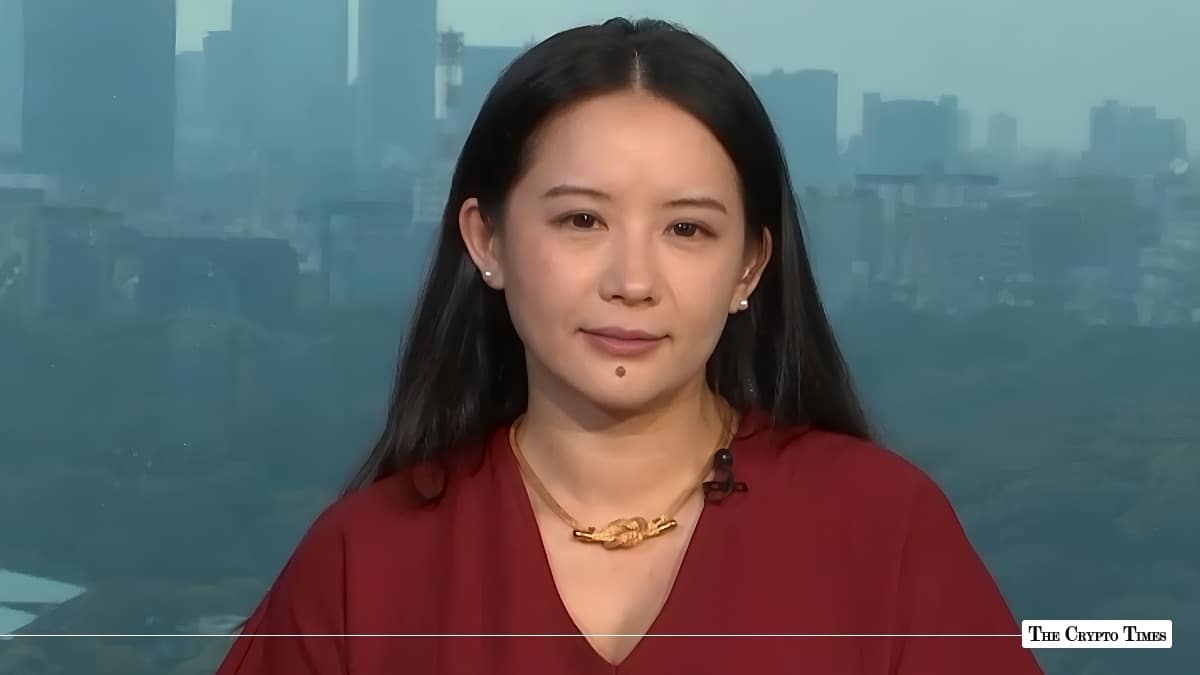
The accusations escalated on Monday, when Binance co-founder Yi He posted on X warning users about a person she referred to as Zhu Pan. She alleged that the individual had impersonated others in failed attempts to scam her and had also impersonated her to target Justin Sun—whom she called “Brother Sun”—urging her followers to spread awareness.
Sun, the TRON founder, amplified her account hours later, writing that it was “absolutely true” and calling on the industry to collectively resist the alleged conduct and pursue accountability. The rare public alignment of two figures from rival camps — Binance and TRON — gave the claims unusual reach, with both posts drawing six-figure view counts within hours.
Both responses followed a widely shared Chinese-language X post that framed Zhu Pan as a repeat bad actor and tied him to CoinUp. That post alleged he had previously leveraged a large online community to raise funds for a 2018 project before the value collapsed.
CoinUp distances itself and warns of legal action
CoinUp responded on Tuesday with a statement that sought to sever any association with the individual. “Zhu Pan is not a member of the CoinUp platform,” the company said, adding that he plays no part in its core operations or management and is instead a “project party” behind a project launched on the platform. Linking his personal actions or past projects to CoinUp itself, the company argued, was an inaccurate interpretation.
The statement went further, pushing back directly on the language being used. CoinUp said it firmly opposed content that forcibly connects it to unverified personal rumors or historical disputes using “definitive terms such as ‘rug pull’ or ‘scam’ and said it reserved the right to pursue legal accountability for what it characterized as malicious rumor-mongering. It also said it welcomed legitimate media oversight and community questions.
The CPX collapse and a ‘concentrated selling’ explanation
Underlying the dispute is the violent price action in CPX, CoinUp’s native ecosystem token. On-chain analytics indicated CPX reached an all-time high above $0.829 last Friday before falling sharply. CoinUp attributed the swings to concentrated selling pressure from the market rather than any failure on its part and said it was still investigating the specific cause and would update users as it progressed.
The company was emphatic that its infrastructure remained intact. It said CPX’s drop did not stem from a hack, data breach, or exploited vulnerability and that its wallet system, account system, and asset custody were secure and fully operational, with deposits, withdrawals, and trading running normally and no user-asset losses. That framing—attributing a token’s collapse to market dynamics while affirming platform solvency—is a familiar one in disputes of this kind, and one that the company’s critics and defenders will weigh against the on-chain record as it emerges.
What is established, and what is not
The verifiable core of the story is narrow but significant: Yi He and Justin Sun, two influential industry figures, publicly leveled fraud accusations against a named individual, and CoinUp publicly denied ties to him while disputing the characterization of CPX’s decline. Those public statements are on the record.
What remains unproven is equally important. The Crypto Times has not verified the specifics of Zhu Pan’s alleged history, the precise nature of his relationship to CoinUp beyond the company’s own description, or any claim that the CPX collapse was engineered rather than market-driven. No regulator or court has made findings in the matter, and CoinUp has explicitly contested the “rug pull” and “scam” framing. It is also worth noting that high-profile accusations in crypto frequently unfold between parties with their own contested legal and commercial histories, a context that warrants caution on all sides. For now, the dispute sits where many Chinese-language crypto fraud allegations begin — as public accusations awaiting the on-chain and legal record to catch up.
Also Read: Tokyo Police Arrest Sanctioned Prince Group Exec in $15B Crypto Scam Probe