The Philippines is positioning real-world-asset tokenization as a tool for financial inclusion, with a top securities regulator framing the technology as a way to give the country’s millions of overseas workers a safer path to investing.
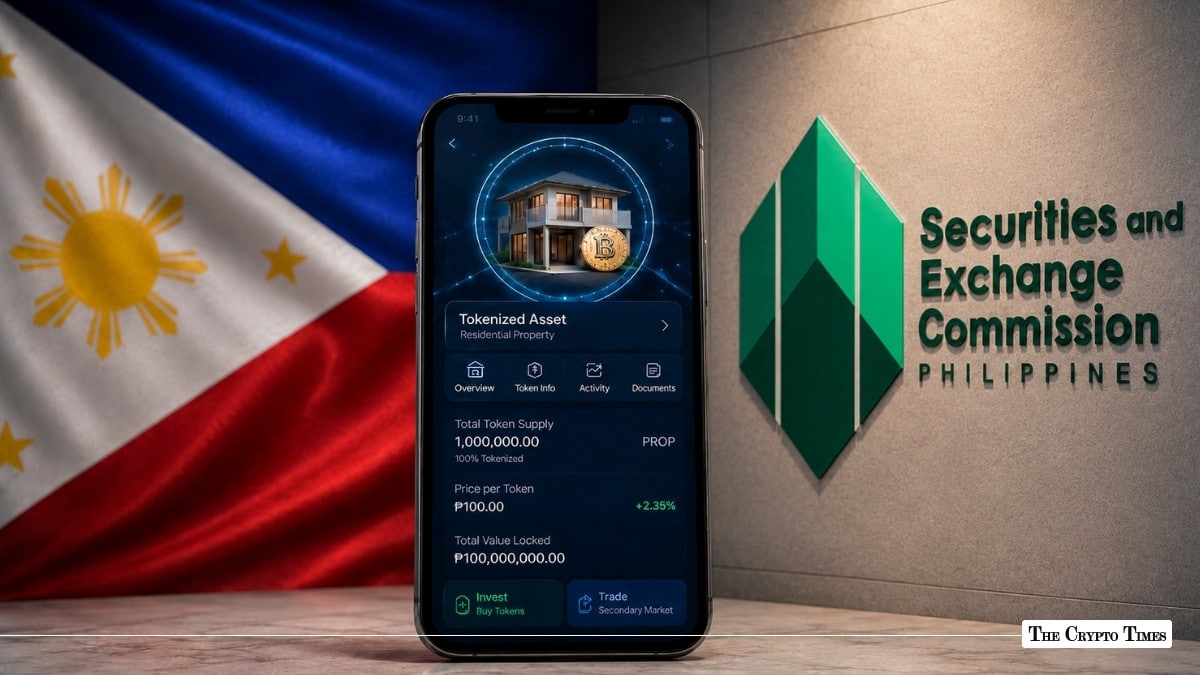
Speaking at Philippine Blockchain Week 2026, Securities and Exchange Commission (SEC) Commissioner Rogelio Quevedo said the agency is prepared to accept the tokenization of real-world assets (RWAs), telling attendees the SEC is “now fully convinced that we have the proper law [and] the proper regulatory mind and background” to oversee such offerings. He said the technology could spur innovation in the country’s capital markets and “revolutionize” how stock exchanges operate, as reported by his remarks on June 20.
The comments stop short of a new rule or product approval, they are a statement of readiness rather than a launch, but they signal a regulator leaning into tokenization at a moment when the broader market is accelerating.
The OFW Opportunity
What distinguishes the Philippine framing is who it centers. Quevedo pointed to overseas Filipino workers (OFWs) as a group that could benefit directly. “Our OFWs, they have the capital,” he said, adding that many “don’t know how to make their money earn” and are frequently targeted by investment scams.
That captures a real gap. The Philippines is one of the world’s largest remittance economies, with millions of OFWs sending tens of billions of dollars home each year, yet many lack access to legitimate, well-structured investment products.
Tokenization, by converting assets like real estate or equities into fractional digital tokens, can lower minimum investment sizes and break down the geographic barriers that keep ordinary savers out of higher-quality assets. For a worker abroad with capital but few trusted options, fractional, regulated exposure to property or US equities is the kind of product the SEC appears to want to enable.
Tokenization as Investor Protection
Quevedo paired the opportunity with an enforcement message, casting regulated tokenization as an antidote to fraud rather than a new risk. He said the SEC’s strengthened capabilities, including using artificial intelligence to pursue scams and working with platforms such as Google and TikTok to remove illegal investment offerings, leave it better equipped to oversee emerging technologies.
That framing fits the regulator’s recent posture. The SEC has continued to act against unregistered schemes, flagging several crypto platforms that solicited Filipinos without authorization under its crypto-asset service provider rules. The implicit argument is that channeling OFW capital into supervised, tokenized products is safer than leaving it exposed to the unregulated offers that flood social media.
Inside the Sandbox
The confidence rests on practical groundwork. Quevedo’s remarks build on the SEC’s Strategic Sandbox, or StratBox, which lets fintech firms test new products in a live environment while the regulator selectively waives or modifies certain requirements, without exempting them from existing law.
In November 2025, the SEC admitted four companies: one testing a tokenized real estate offering, two trialing access to US equities for local investors, and BlockShoals Technologies, which received in-principle approval to test crypto-related products.
The country also has prior experience to draw on. The Bureau of the Treasury issued the Philippines’ first tokenized treasury bonds in 2023 and has explored broadening retail access to government securities through digital wallets, while pending legislation has proposed a dedicated framework for RWA tokenization and digital assets. Together, those efforts give the SEC a foundation for its claim of readiness.
Part of a Bigger Wave
The Philippines is moving as tokenization goes mainstream globally. The tokenized RWA market has grown from around $1 billion to more than $28 billion in three years, and institutional heavyweights have piled in, with BlackRock and other major firms building tokenized treasury and real-estate products. The Philippine pitch is notable for its emerging-market emphasis: where much of the global conversation centers on institutional yield, Manila is framing tokenization around financial inclusion for its diaspora.
The caveats are familiar. Tokenization does not automatically create liquidity — many RWA products remain thinly traded — and the value of any token ultimately depends on the legal rights it confers and how redemption works in practice. For now, the SEC’s message is one of intent. The real test will be whether its sandbox pilots scale into products that actually reach the workers Quevedo says he wants to protect.