Key Highlights
- CFTC Chairman Michael Selig pledged to end the “regulation by enforcement” approach and replace it with clearer regulatory rules for the crypto industry.
- Selig said previous enforcement-driven policies pushed innovation and crypto businesses outside the United States.
- Selig pointed to the pending CLARITY Act as a key step toward defining regulatory responsibilities between the SEC and CFTC.
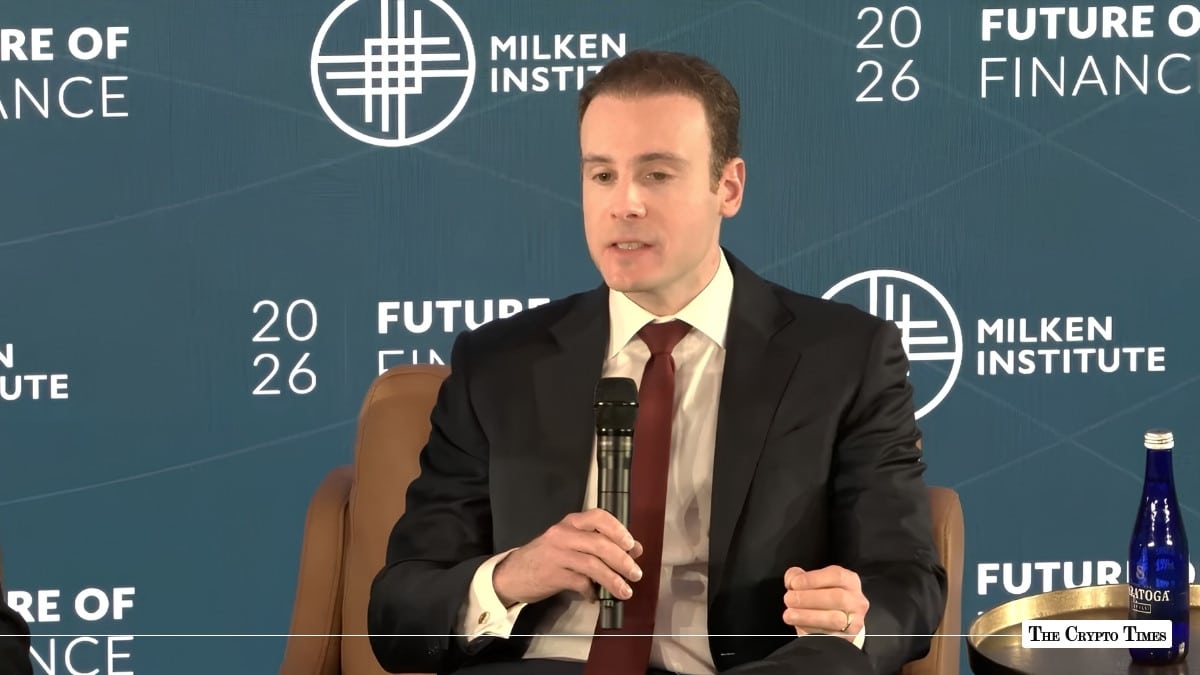
The Commodity Futures Trading Commission (CFTC) Chairman Michael Selig outlined a shift in the U.S. regulatory approach toward cryptocurrency, saying the agency intends to move away from what he described as the “regulation by enforcement” model.
In an interview with Blockworks, Selig drew on his experience in private practice at Wilkie Farr & Gallagher, where he represented clients in technology and financial markets, including many in crypto. He said the previous administration’s tactics of lawfare and unclear guidelines effectively pushed businesses out of the country.
“Under the Trump administration, we’re reversing all of that,” Selig said. “We’re going to regulate through clear rules and regulations. We’re not going to have the Enforcement Division setting policy.”
Instead, he emphasized returning the Enforcement Division to its core functions: policing fraud, manipulation, insider trading, and other serious abuses. The goal, he said, is fostering a “culture of compliance” rather than hunting for minor infractions to collect civil penalties.
Chairman backs President Trump’s stance
Selig referenced his prior involvement in the President’s Working Group on Digital Asset Markets, which produced a roadmap for establishing markets that incorporate crypto assets and blockchain technology.
He said President Trump has been “very clear” about making the United States the crypto capital of the world. “I believe it is today,” he added. “We’ve ended regulation by enforcement. We’ve passed GENIUS. We’ve got clarity on the way. I think it’s a new day at the SEC and at the CFTC.”
The CLARITY Act (Digital Asset Market Clarity Act) is “sitting ready to go,” with efforts underway to deliver it to the president’s desk for signature, he noted. This legislation aims to clarify jurisdictional boundaries between the CFTC and SEC, distinguishing digital commodities from securities and unlocking greater regulatory certainty.
Criticism of previous administration
Selig’s comments come just a week after he announced that the agency is reviewing and correcting a flawed enforcement action previously taken against Gemini, the cryptocurrency exchange founded by the Winklevoss twins.
He described the case as emblematic of a broader pattern under the Biden administration, where federal agencies applied what he called unfair and aggressive legal pressure on crypto firms and other industries.
“The Biden administration weaponized the federal agencies against the crypto industry and many other industries,” Selig stated.
Selig emphasizes emerging technologies
Selig, previously speaking at the FINRA Annual Conference 2026, emphasized embracing emerging technologies. He announced that the agency is updating its regulatory framework to address the rapid rise of artificial intelligence and blockchain in financial markets.
He highlighted the CFTC’s Innovation Task Force, which is actively supporting developers of blockchain, AI, prediction markets, and related technologies to build in America rather than offshore.
Selig described AI as a transformative tool already reshaping trading strategies and market access via smartphones and blockchain-linked digital wallets. The CFTC, he said, will not fear or block these advancements but will study them closely to implement appropriate safeguards.
Chairman continues proactive stance
Before becoming CFTC chairman, Selig served as chief counsel to the SEC’s crypto task force and also contributed to the president’s digital assets working group.
While challenges remain, including coordination with the SEC and addressing state-level regulatory differences, Selig said the agency aims to provide more predictable oversight while maintaining protections against fraud and market abuse.
Also Read: Patrick Witt Signals ‘Big Week’ for CLARITY Act as 200+ Firms Back Bill