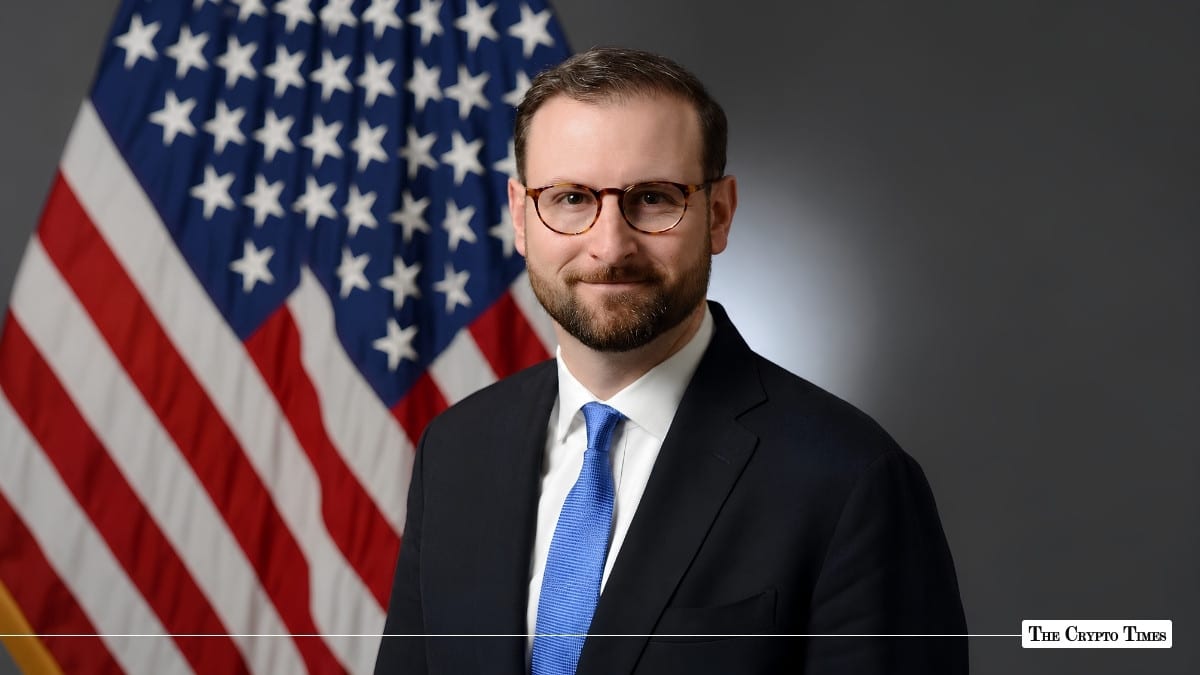
Momentum behind the Digital Asset Market CLARITY Act continued to build this week after White House crypto adviser Patrick Witt said negotiations around the legislation have narrowed key differences and moved closer to resolution.
“Big week ahead for Clarity,” Witt wrote on X on Monday. “The work has continued in earnest behind the scenes since the Banking markup. The issue set has narrowed, and good faith offers are being put forward to close the gap. But time is of the essence.”
His comments came as more than 200 digital asset companies, trade associations, and advocacy groups called on Senate leadership to bring the bill to the floor for a vote.
More than 200 organizations push for Senate action
A coalition organized by Stand With Crypto, alongside the Blockchain Association, Crypto Council for Innovation, and The Digital Chamber, sent a joint letter to Senate Majority Leader John Thune and Senate Democratic Leader Chuck Schumer urging action on the legislation.
The signatories included major industry participants such as Coinbase, Ripple, Kraken, Circle, Binance US, and venture capital firm Andreessen Horowitz. In the letter, the coalition argued that the CLARITY Act would establish a federal framework for digital asset markets, define regulatory responsibilities, create registration pathways for market participants, and provide legal protections for software developers.
“The Clarity Act gives Congress the opportunity to keep innovation, jobs, investment, and market activity here at home while strengthening America’s role as the global leader in digital asset innovation,” the letter stated.
Stand With Crypto said support for the bill spans startups, established companies, trade organizations, and grassroots advocates across all 50 states.
Senate Banking Committee approval adds momentum
The latest push follows the Senate Banking Committee’s bipartisan approval of the CLARITY Act last month, marking one of the most significant advances for crypto market structure legislation in Congress.
Supporters view the committee vote as evidence that lawmakers from both parties recognize the need for clearer digital asset regulations. Senator Cynthia Lummis recently highlighted the bill’s progress, stating that after clearing committee review, the next step is consideration by the full Senate.
Industry groups have increasingly argued that regulatory uncertainty remains a major obstacle for businesses operating in the United States, particularly as other jurisdictions continue developing digital asset frameworks.
White House and Treasury officials back legislative progress
Witt has been among the administration officials publicly supporting the legislation, previously describing the proposal as both “pro-regulatory” and “pro-law enforcement.”
Treasury Secretary Scott Bessent has also urged Congress to advance digital asset legislation this summer, adding to growing pressure from industry groups and policymakers seeking clearer market rules.
The latest coalition letter follows another recent lobbying effort in which the Blockchain Association submitted a separate letter signed by more than 160 former national security and law enforcement officials. That group argued the CLARITY Act would improve oversight capabilities and strengthen enforcement efforts in digital asset markets.
Banking sector continues to raise concerns
Despite growing support, the legislation continues to face scrutiny from parts of the traditional banking industry. Some banking groups have expressed concerns over provisions related to stablecoins, particularly the possibility that certain digital asset products could compete with traditional deposits if regulatory safeguards are insufficient.
At the same time, several major financial institutions have been exploring tokenized deposit initiatives and blockchain-based payment infrastructure as demand for digital settlement systems increases.
House Financial Services Committee Chairman French Hill recently defended the broader legislative effort, arguing that tokenized deposits and stablecoins can coexist within the financial system. Hill has also maintained that payment stablecoins should not pay yield while emphasizing that banks remain well-positioned to compete in blockchain-based payments.
Senate vote remains the next key test
While negotiations continue, Witt’s latest comments suggest discussions are moving toward a narrower set of unresolved issues.
For supporters of the legislation, securing a Senate floor vote has become the immediate priority. With more than 200 organizations now publicly backing the measure and senior administration officials signaling support, attention is shifting to whether Senate leadership will schedule the bill for debate in the coming weeks.
The outcome could shape the regulatory framework governing U.S. digital asset markets for years to come.
Also Read: Hedera Joins 200+ Organizations Backing Senate CLARITY Act