Key Highlights
- Treasury Secretary Scott Bessent said the U.S. is steadily working on a Strategic Bitcoin Reserve funded mainly by seized Bitcoin.
- He also asked lawmakers to work on the CLARITY Act as it advances in Congress.
- Officials say the goal is to keep America competitive in digital finance and make the country a global hub for crypto innovation.
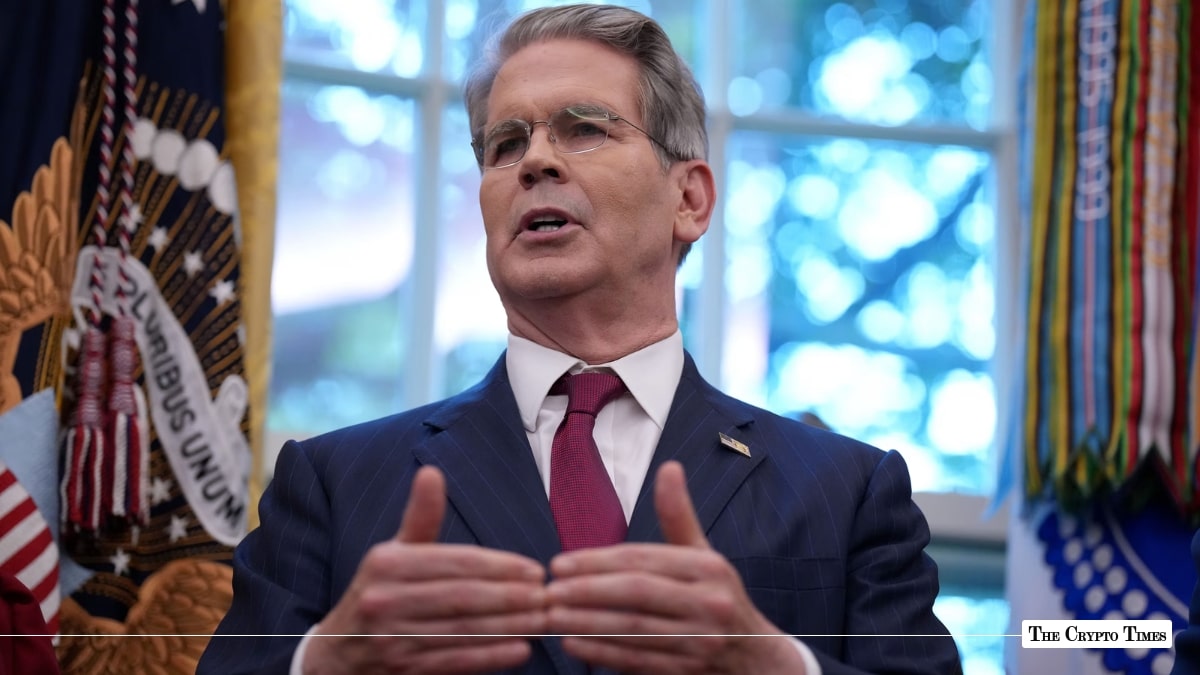
Treasury Secretary Scott Bessent told lawmakers on Wednesday that the United States is moving step by step toward building a Strategic Bitcoin Reserve, but he said the process is being done at a “deliberate speed.”
Speaking at the Senate Finance Committee hearing, Bessent also asked senators to support a new law called the CLARITY Act, saying they should “get behind” it and try to pass it in the summer so the U.S. can set clear rules for crypto.
Steady move toward Bitcoin reserve
Bessent explained that the Treasury is working through a difficult process but is still moving forward.
“We are proceeding with all deliberate speed, and we are making sure that as we are doing this in this complicated process, we use best practices and things will be durable for the future,” he said.
He also said the aim is to bring “best practices onshore,” meaning the U.S. wants crypto activity and rules to be built inside the country instead of falling behind other nations. He said the bigger goal is to make the United States the “innovation capital of the world” for digital assets like Bitcoin.
The Strategic Bitcoin Reserve was first set up through an executive order signed during the early months of the current U.S. administration. It is designed to hold Bitcoin already owned by the government, mainly acquired through criminal or civil forfeitures, instead of selling it off.
Most of the Bitcoin in this reserve will come from seized assets. There is also a separate digital asset stockpile being developed alongside it. Officials have said more updates about how the reserve will fully work are expected in future announcements, but the direction is already clear: the U.S. wants to keep Bitcoin, not sell it.
Crypto law moves into Senate stage
At the same time, lawmakers are pushing forward with the CLARITY Act, also known as H.R. 3633. This bill has now been placed on the Senate calendar after passing a key vote in the Senate Banking Committee with a 15–9 bipartisan result.
The goal of the bill is to create the first full federal rules for crypto in the U.S. It explains which government body controls what. The Securities and Exchange Commission (SEC) would handle digital assets that look like securities, especially new or early-stage tokens. The Commodity Futures Trading Commission (CFTC) would take charge of assets like Bitcoin that behave more like commodities, especially in spot trading markets.
Even though the bill has moved forward, it is not law yet. It still needs a full debate in the Senate, possible changes, a final vote, and then approval from the House if needed. After that, it must be signed by the president.
What’s next for the bill
Time is becoming tight because Congress is also focused on budget bills, and elections are coming later in the year, which could slow everything down. Still, supporters believe the bill is important because other regions like the European Union with MiCA rules and countries like Singapore are already moving ahead with clear crypto laws.
The Strategic Bitcoin Reserve plan and the CLARITY Act together show a big shift in how the U.S. is handling digital assets. Instead of confusion and selling seized Bitcoin, the government is now moving toward holding it long-term while also building clear rules for the entire crypto market.
Also Read: UK Lawmakers Push BOE to Ease Stablecoin Rules Amid Growth Concerns