Key Highlights
- Goldman Sachs CEO David Solomon publicly endorsed the CLARITY Act.
- Solomon said the bill would create market structure and a level playing field for digital assets.
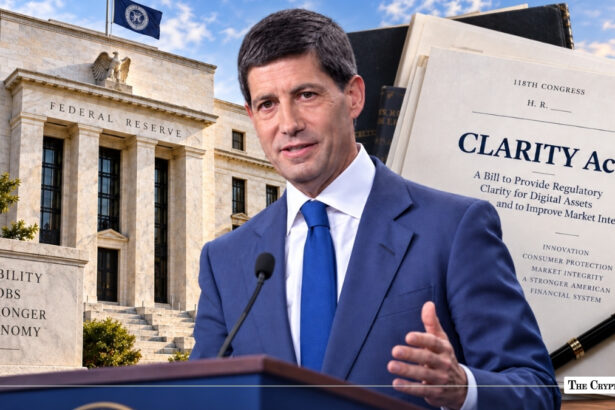
- His comments came as Senate Republicans released an updated draft of the CLARITY Act ahead of a possible floor vote.
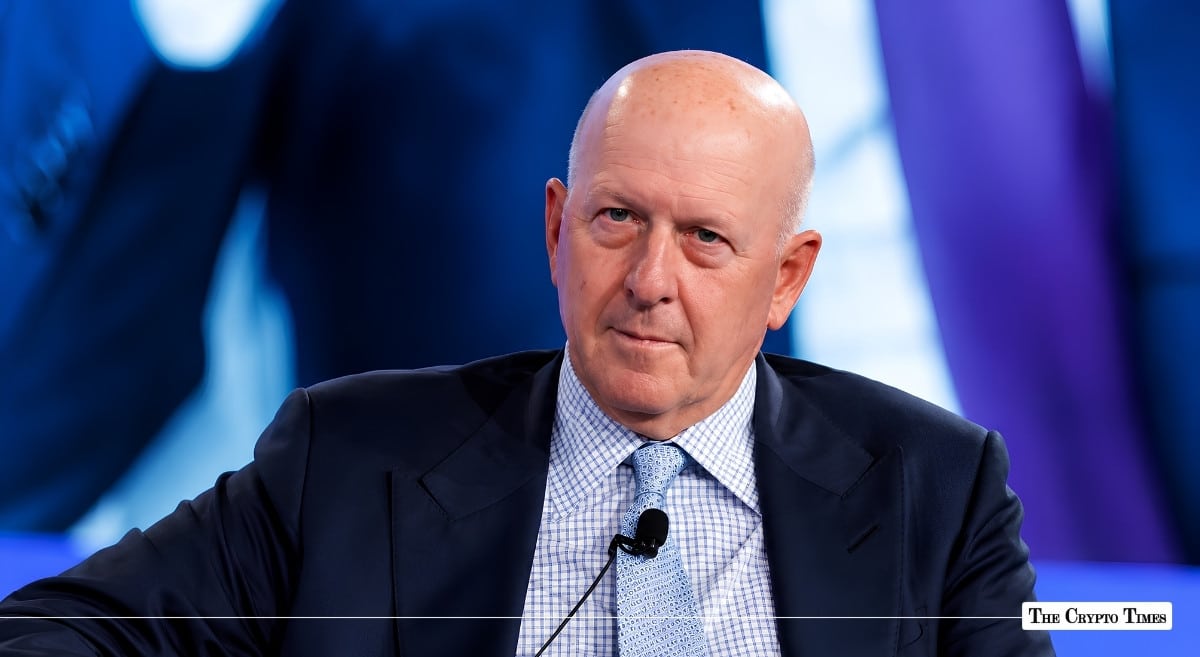
Goldman Sachs Chairman and CEO David Solomon has backed the CLARITY Act, becoming one of the most prominent Wall Street executives to support legislation that would establish a comprehensive regulatory framework for U.S. digital asset markets.
According to a POLITICO report, Solomon said the legislation would provide much-needed market structure for the crypto industry, despite acknowledging that the bill is still imperfect.
“The Clarity Act, like all legislation, is not perfect. And there are lots of things that you could debate and argue about. But I think one of the most important things that it does is that it creates a level playing field to enhance market stability and allow these markets to develop appropriately,” he said.
Support comes as Senate updates the bill
Solomon’s endorsement coincides with a major legislative development in Washington.
A day ago, Senate Republicans unveiled an updated version of the CLARITY Act, introducing new ethics provisions for public officials while preserving the bill’s core framework governing crypto markets, stablecoins, and blockchain infrastructure.
The revised draft is expected to serve as the basis for final Senate negotiations before lawmakers attempt to move the legislation toward a vote.
The latest version still seeks to clearly divide oversight responsibilities between the Commodity Futures Trading Commission (CFTC) and the Securities and Exchange Commission (SEC) while establishing rules for digital asset exchanges, token issuers, brokers, and market participants.
Growing coalition supporting crypto market structure reform
Goldman Sachs now joins a growing list of influential voices calling for the bill’s passage. Earlier this week, CFTC Chairman Mike Selig reiterated that regulatory clarity is necessary to ensure “the new frontier of finance is built in the United States” following a meeting with Senator Ashley Moody.
Selig has repeatedly urged Congress to pass the legislation. Earlier this year, he called on lawmakers to send the CLARITY Act to President Donald Trump, while House Majority Whip Tom Emmer has also met with the CFTC chairman to discuss advancing the bill through Congress.
Support for the CLARITY Act extends beyond crypto
While Goldman Sachs has embraced the legislation, much of the traditional banking industry continues to oppose several of its provisions.
The decentralized finance (DeFi) sector has also voiced support for the legislation.
Ahead of the Senate Banking Committee markup in May, Aave founder and CEO Stani Kulechov said the CLARITY Act could strengthen the United States‘ position as a global leader in DeFi by providing developers and blockchain protocols with greater legal certainty.
The endorsements from Aave and now Goldman Sachs reflect growing support across both traditional finance and the crypto industry for comprehensive market structure legislation.
Why Goldman Sachs sees bigger opportunities
Unlike commercial banks that rely heavily on customer deposits, Goldman Sachs has focused on another aspect of the legislation: its potential to expand institutional participation in digital assets.
According to Solomon, the CLARITY Act would provide legal certainty that allows regulated financial institutions to expand their use of blockchain technology and tokenized financial products.
He added, “The bill includes language that will allow regulated institutions that have been on the sidelines to participate more actively.”
The comments reflect growing institutional interest in tokenization and blockchain infrastructure, areas where Goldman Sachs has increasingly expanded its own digital asset initiatives.
The Senate still has work to do
Despite growing support, the CLARITY Act still faces significant hurdles before becoming law. Lawmakers continue negotiating issues including stablecoin regulation, ethics restrictions, DeFi provisions, law enforcement concerns, and oversight responsibilities.
Senate Democrats have also criticized the revised draft, arguing that it does not go far enough in addressing conflicts of interest arising from public officials’ involvement in digital assets.
With negotiations continuing ahead of a potential Senate vote, Solomon’s endorsement adds another high-profile voice supporting regulatory clarity for digital assets, even as policymakers continue to debate the bill’s final provisions.
Also Read: Seven Democrats Say CLARITY Act Text ‘Falls Short’ as Thune Eyes Floor Vote