Key Highlights
- Russia introduced a new framework requiring all crypto trading to go through licensed intermediaries.
- Retail investors face limits, including asset restrictions, entry tests, and a 300,000 ruble annual cap.
- Authorities expanded oversight with mandatory reporting and broader licensing for crypto service providers.
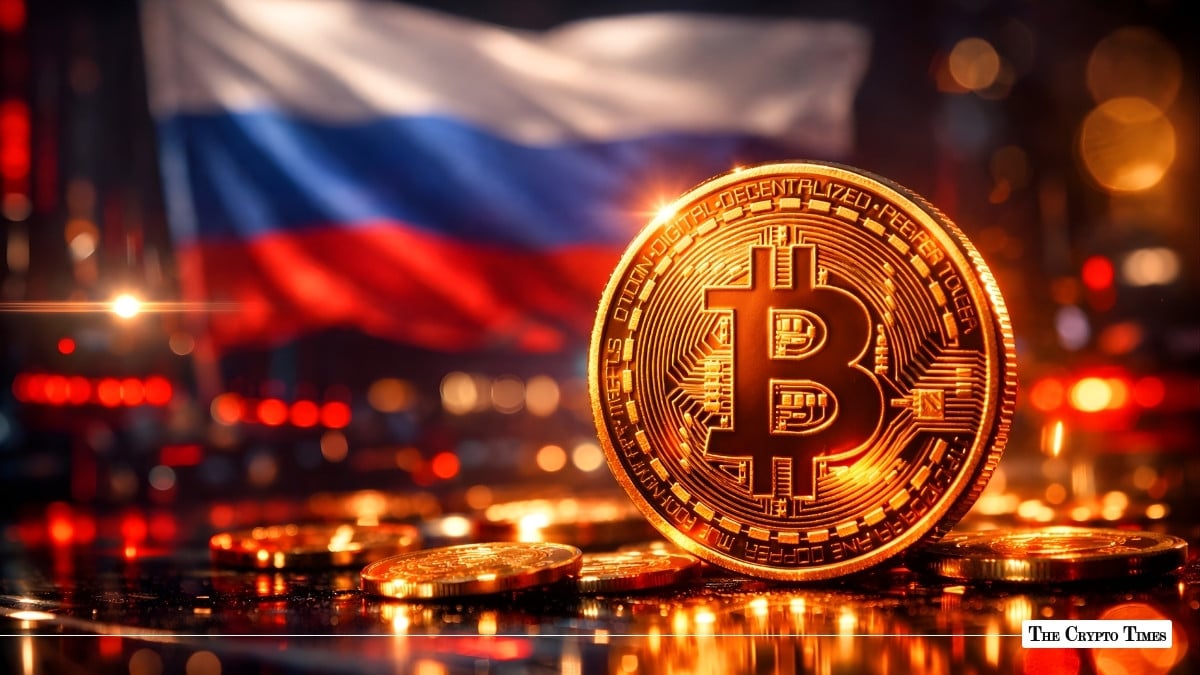
Russia has moved to centralize cryptocurrency trading under a new legal framework approved by the Ministry of Finance of Russia.
According to the official announcement, all crypto transactions must be routed through licensed intermediaries. This effectively eliminates informal or peer-to-peer trading channels within the domestic market, placing exchanges, brokers, and custodians at the center of all activity. The shift signals a move toward tighter control over how digital assets are bought, sold, and recorded.
Retail access narrowed under new limits
The framework introduces clear restrictions for retail participants. Unqualified investors will only be allowed to purchase a limited set of digital assets approved by the Central Bank of Russia. They must also pass an entry test and will face an annual investment cap of 300,000 rubles (roughly $3,700).
In contrast, qualified investors are not subject to these limits, creating a two-tier market structure where access depends on investor classification.
Cross-border activity still allowed—with disclosure
While domestic trading is being tightened, Russian residents can still access crypto markets abroad. However, any such activity must be reported to the Federal Tax Service of Russia.
This requirement extends oversight beyond national platforms, giving authorities visibility into offshore transactions and capital flows tied to digital assets.
Licensing push expands to financial institutions
The government also plans to introduce licensing requirements for a wide range of crypto service providers, including exchanges, brokers, and digital asset custodians. Traditional financial institutions, such as banks, will be allowed to offer crypto-related services, but only under additional safeguards designed to limit financial stability risks.
Non-compliance could lead to administrative penalties, reinforcing the regulatory perimeter around the sector.
Opening digital asset markets—with constraints
The framework updates existing rules around digital financial assets, allowing issuance and trading on public blockchain networks rather than restricting activity to closed systems.
This change could broaden participation, but within a controlled environment shaped by licensing, reporting, and compliance obligations.
A controlled path forward
The new structure reflects a balancing act: expanding formal access to digital assets while tightening supervision. By routing activity through licensed entities and limiting retail exposure, Russia is attempting to reduce risks tied to fraud, volatility, and unregulated platforms.
At the same time, the framework keeps the door open for institutional involvement and cross-border participation—provided it remains visible to regulators.
Also Read: Dubai’s VARA Introduces Sweeping Rules on Crypto Derivatives & Margin