Key Highlights
- The CFTC ordered former Congressman George Santos to pay $35,069.98 in disgorgement and penalties.
- Santos was also banned from trading CFTC-regulated markets for three years.
- Regulators said he manipulated a Kalshi prediction market tied to his attendance at the 2026 State of the Union.
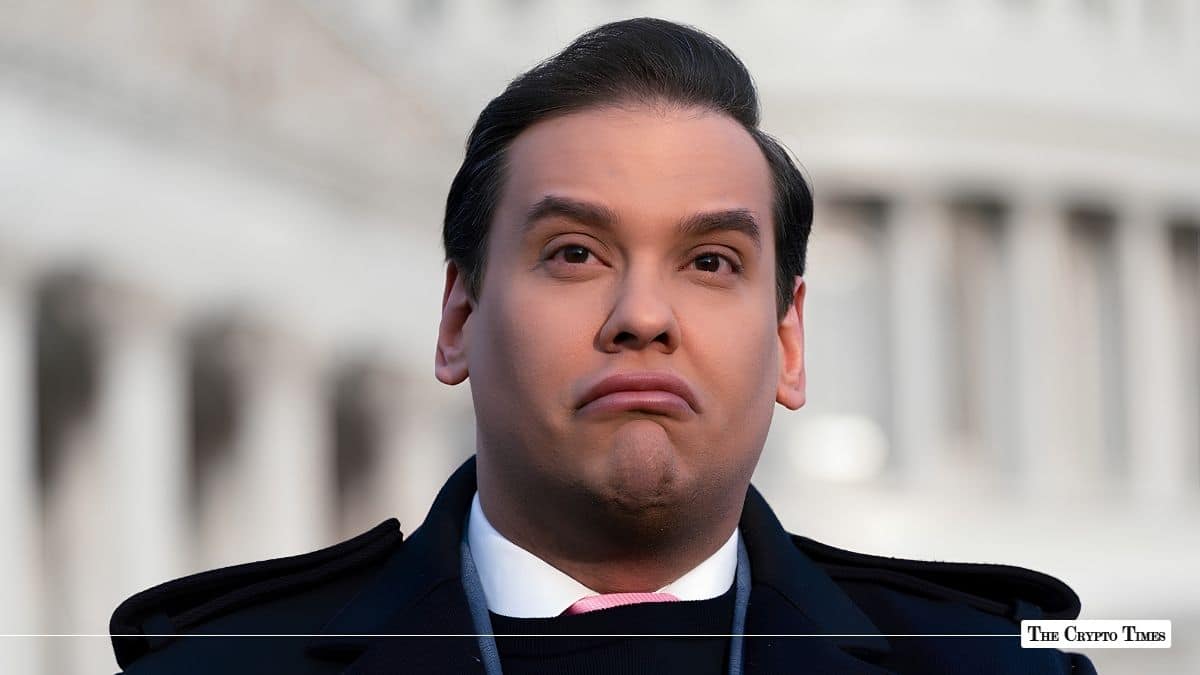
Former U.S. Congressman George Santos has been ordered by the Commodity Futures Trading Commission (CFTC) to pay more than $35,000 and accept a three-year trading ban. The regulators concluded that Santos manipulated a prediction market on Kalshi tied to President Donald Trump’s 2026 State of the Union address.
The CFTC announced on Friday that Santos agreed to settle charges without litigation after the agency found he engaged in manipulative trading involving an event contract whose outcome depended on whether he would attend the State of the Union.
Under the settlement, Santos must disgorge $17,569.98 in profits earned from the trades and pay a $17,500 civil monetary penalty, bringing the total financial sanction to approximately $35,070. He also agreed to cease violating the Commodity Exchange Act and accepted a three-year ban from trading CFTC-regulated markets.
Why the CFTC accused Santos of market manipulation
The case centers on a Kalshi event contract that asked whether Santos would attend the 2026 State of the Union address. According to the CFTC’s order, Santos actively traded both “Yes” and “No” positions in the market between February 12 and February 25, 2026, while publicly posting conflicting information about his travel plans.
Because the contract’s outcome depended entirely on whether Santos attended the event, regulators said he was uniquely positioned to influence market expectations.
“The price on the event contract rose and dropped significantly during this time,” the agency wrote, adding that Santos’ public statements benefited his trading positions.
Why regulators focused on Santos’ online posts
The CFTC said Santos repeatedly suggested publicly that he would attend the event while adjusting his positions on Kalshi.
One of the posts cited in the investigation came on February 22, when Santos asked followers on X, “Should I wear a muted serious suit to the SOTU or a bedazzled one?”
According to regulators, the post boosted confidence that he would attend, pushing prices higher before Santos exited part of his position.
Santos allegedly bet against himself
Regulators said Santos quietly accumulated more than 23,800 “No” contracts while continuing to publicly indicate he expected to attend. By the evening before the speech, both his airline and train reservations to Washington had reportedly been canceled, yet the CFTC said he never disclosed those developments to the market.
Instead, on the day of the address, Santos posted that he was watching the State of the Union from an airport television because he was unable to travel. The market immediately moved in favor of his “No” position.
According to the CFTC, Santos exited those trades shortly afterward, earning more than $14,000 from that position alone.
Santos criticizes Kalshi after settlement
Despite settling with the CFTC, Santos criticized Kalshi, arguing that prediction markets should be regulated as gambling platforms rather than federally regulated derivatives exchanges.
In a post on X, Santos called for lawmakers to strip Kalshi of what he described as the legal protections associated with “contract swaps.” He ended the post with a direct challenge to the company, adding, “Touché… let’s see who wins! Place your bets while y’all still can!”
The remarks came just hours after Santos agreed to settle allegations that he manipulated a Kalshi prediction market. The platform he criticized was the same exchange where regulators said he earned more than $17,500 through unlawful trading.
Prediction markets face growing regulatory scrutiny
The settlement comes as U.S. prediction markets face increasing regulatory oversight. Federal regulators have stepped up scrutiny of event-contract platforms over concerns about insider trading, market manipulation, and compliance with derivatives laws.
The same day the settlement was announced, New York Attorney General Letitia James sued Kalshi, alleging the platform violated state gambling laws by offering event-based contracts without proper authorization.
In its order, the CFTC reiterated that event contracts traded on federally regulated exchanges are classified as swaps under the Commodity Exchange Act, making participants subject to anti-fraud and anti-manipulation rules similar to those governing traditional derivatives markets.
Although Santos neither admitted nor denied the CFTC’s findings, he agreed to pay the civil penalty and accept a three-year trading ban, bringing the enforcement action to a close.
Also Read: Kalshi Traders Price In 59% Chance of September Fed Rate Hike