Key Highlights
- On February 17, 320.88 BTC (worth about $21 million) was returned by thieves to the Gwangju District Prosecutors’ Office wallet, without any arrests or direct recovery by authorities.
- Prosecutors attribute the return to effective measures like transaction freezes on domestic and international exchanges, which blocked the hackers’ ability to cash out, prompting them to abandon the funds during the ongoing investigation.
- Despite recovering the Bitcoin, the office vows to intensify probes into phishing operators and related entities.
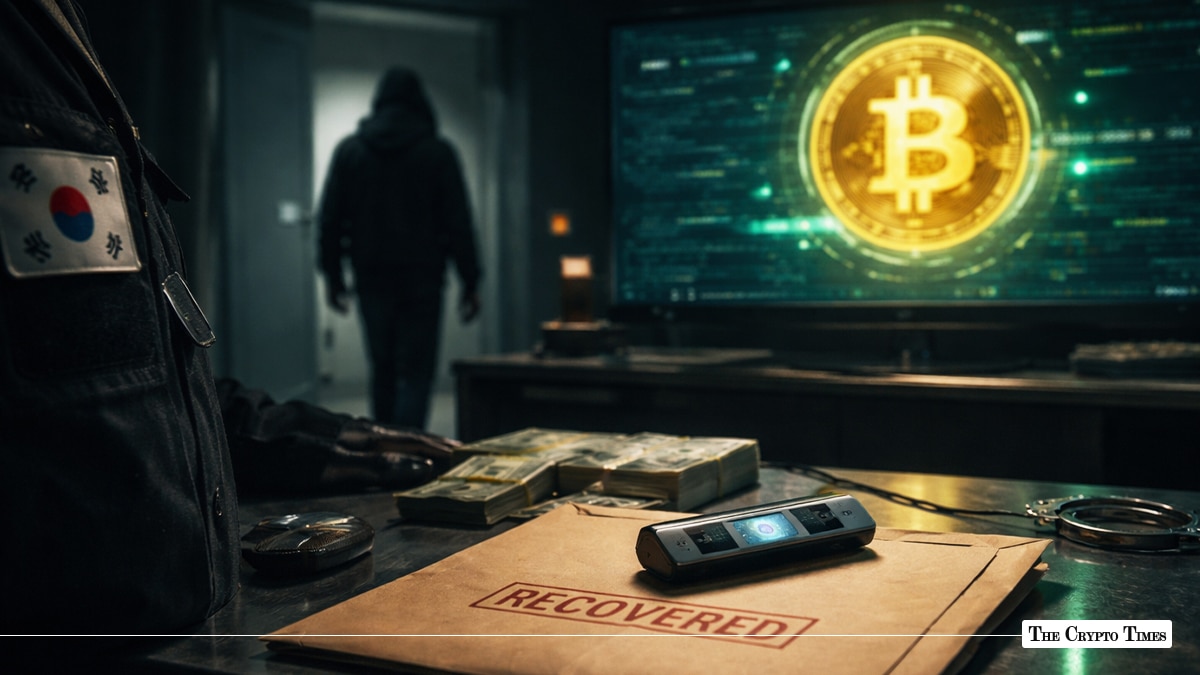
In what could be referred to as a one of a kind crypto incident, the thieves who stole $21 million in Bitcoin (BTC) from Gwangju District Prosecutors’ Office, have secretly returned the funds back to prosecutors.
As reported by a local news media outlet, nearly 320.88 BTC lost by Gwangju District Prosecutors’ Office in South Korea, were returned to their wallet on the evening of February 17. The return of funds does not follow any arrest of the criminal, but rather it’s the ‘secret return’ from thieves.
The Crypto Times previously reported that the Gwangju District Prosecutors’ Office discovered the loss of Bitcoin when running a routine inspection. On-chain data revealed that funds bounced through multiple intermediary wallets, and landed back in the prosecutors’ possession.
The prosecution believes the stolen Bitcoin were likely returned as the freeze request made it difficult to cash out. Swiftly acting to secure the assets, the office transferred them to a wallet at Upbit, a major domestic digital asset exchange, to prevent further risks.
The freeze orders on suspicious transactions at local exchanges as well as international platforms, appear to have thwarted the thieves’ attempts to liquidate the stolen crypto.
“Regardless of the Bitcoin recovery, we will do our utmost to apprehend the perpetrators in the future,” said a spokesperson for the Gwangju District Prosecutors’ Office. “We plan to continue conducting a rigorous investigation to clearly reveal the full story of the incident.”
The office has also ramped up scrutiny on related entities, including operators of phishing websites used in the attack and domain registration firms that may have facilitated the scheme. Investigators believe these actions created a web of pressure, compelling the hackers to relinquish the funds rather than face escalating risks.
Also read: Why Bitcoin ETFs Lost $133M While Solana Attracted New Money