Key Highlights
- South Korean prosecutors reportedly lost about $48 million in seized Bitcoin due to a phishing scam.
- The loss was discovered during a routine check, and recovery is difficult once Bitcoin moves to external wallets.
- Crypto phishing and scams remain a global problem, with $1.37 billion lost in 2025.
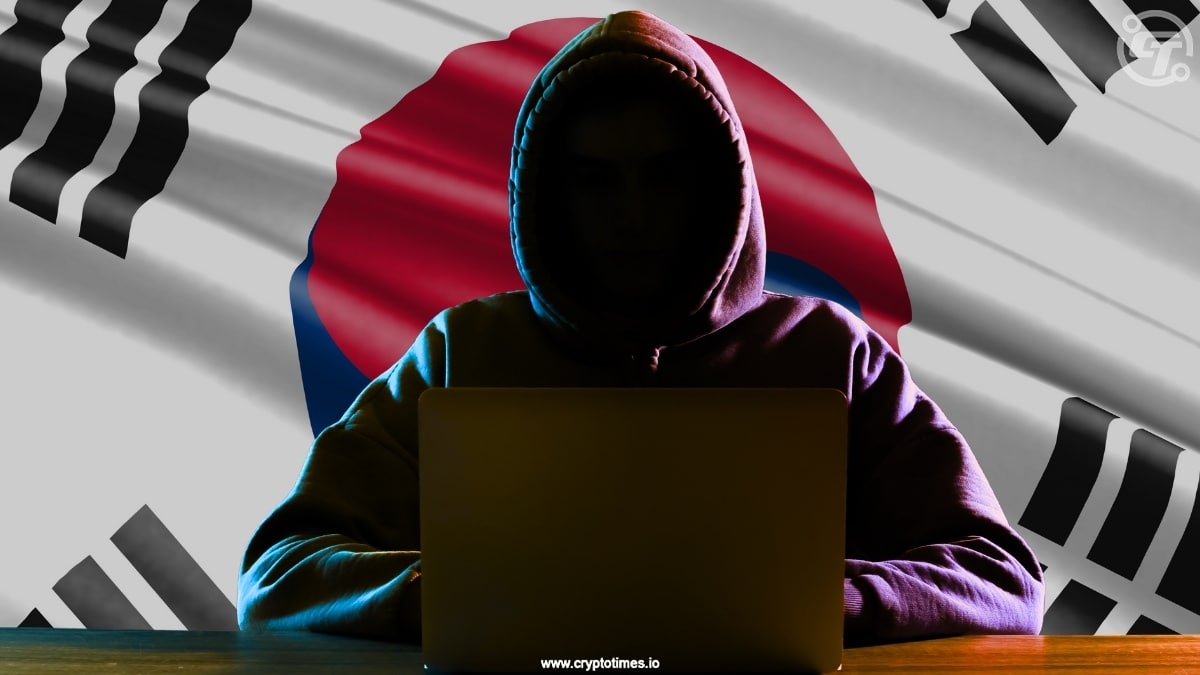
South Korean prosecutors have reportedly lost a large amount of Bitcoin seized from criminal cases after falling victim to a phishing attack. Around 70 billion won, which is roughly $48 million, is believed to have been stolen.
The incident occurred in the summer of 2025, according to the Gwangju District Prosecutors’ Office, which discovered the loss during a routine inspection of confiscated crypto assets.
As per claims by local reports, a staff member accidentally accessed a fake website while checking the seized Bitcoin. The office had reportedly stored cryptocurrency passwords on USB drives, a practice considered less secure than standard industry custody methods. The official said they have since launched an investigation. However, once Bitcoin is transferred to wallets outside official control, it is usually very hard to get back.
History of crypto losses in Gwangju
This is not the first time authorities in Gwangju have faced issues with seized Bitcoin. In November 2021, police reportedly lost 1,476 BTC during a raid on an illegal gambling site. In March 2024, prosecutors also tried to recover around 170 billion won ($127 million) tied to illegal gambling. Those cases are still going through South Korea’s Supreme Court.
The incident follows just a month after South Korea’s Supreme Court ruled that Bitcoin kept on exchanges can be legally taken by authorities under the Criminal Procedure Act. The ruling involved 55.6 BTC, worth about 600 million won, that was seized from a money laundering suspect. The court said digital tokens have value and can be treated as evidence or property that can be seized.
Ongoing threats and scams in crypto space
Crypto scams and phishing attacks remain a major problem in the crypto space. According to a report from PeckShield, scams and phishing resulted in $1.37 billion in losses in 2025, which is 64% more than the previous year. South Korea has more than 16 million people with crypto accounts, about one-third of the population, which makes it important to be security cautious.
Earlier this year, a MetaMask phishing scam targeted crypto users by tricking them into giving out their wallet recovery phrases. The scammers copied MetaMask security alerts and showed fake two-factor authentication (2FA) steps to fool users into handing over their private seed phrases. Once entered, attackers could empty wallets instantly.
According to SlowMist’s Chief Security Officer, scammers start with a fake security warning page that looks like MetaMask. Users are later shown a fake 2FA page, often with a timer, and are asked to provide their seed phrases. These incidents highlight the importance of strong security practices for both users and institutions alike.
Also Read: Crypto User Loses $500K USDT in Ethereum Address Poisoning Scam