The cryptocurrency landscape has shifted significantly, and the Solana blockchain is now one of the fastest-moving markets in crypto in 2026. What started as a niche corner of the internet filled with dog and cat jokes has evolved into a multi-billion-dollar attention economy.
Today, Solana memecoins are no longer just internet fads. They are highly liquid assets, testing grounds for new decentralized infrastructure, and cultural symbols that connect Web3 communities with traditional finance.
If you are looking for a complete breakdown of the Solana memecoin ecosystem, you are in the right place. We explore the top trending Solana memecoins, detail their origin stories, provide market updates for 2026, and examine the network technology driving this digital economy.
Why is Solana the King of Memecoins in 2026?
Before diving into specific coins, it is important to understand why Solana became the launchpad of choice for many meme assets.
Solana’s memecoin boom did not happen by accident. Cheap transactions lowered the cost of rapid trading, while wallets like Phantom and trading venues like Jupiter and Raydium made it easier for retail users to access new listings. Launchpads and airdrops turned speculation into a distribution strategy, giving projects a fast way to build attention and liquidity.
This combination created a full memecoin pipeline: launch, distribute, trend, list, and either sustain community interest or fade out. It also made Solana attractive to meme tokens that prioritize speed and volume over long-term utility.
Lightning-Fast Speeds and Micro-Fees
Solana was built for high-frequency execution. While other networks charge dollars per transaction, Solana’s sub-cent fees (often under $0.002) make it inexpensive for retail traders to buy, sell, and swap tokens without losing capital to gas fees.
The Alpenglow Upgrade and Firedancer
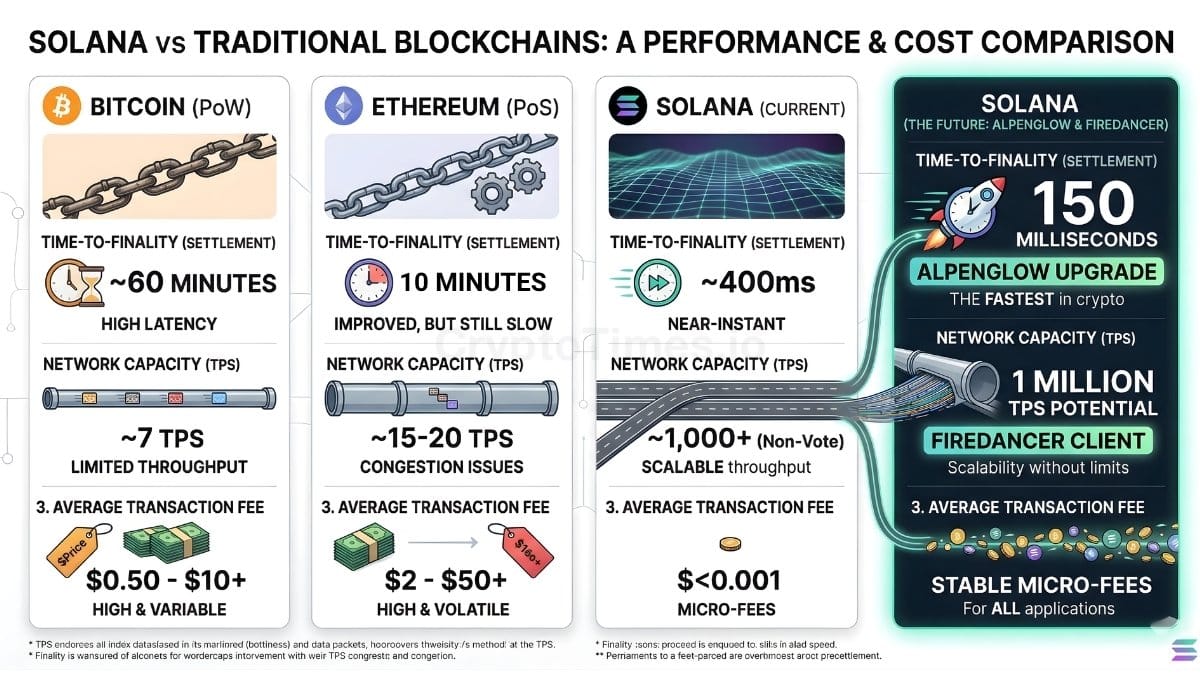
The technological moat around Solana has widened in 2026 as the chain continues transitioning from a high-speed experimental network to a more mature infrastructure layer. The network is rolling out its “Alpenglow” consensus upgrade, which aims to reduce transaction finality times to around 150 milliseconds.
Combined with Firedancer, Solana is targeting higher throughput and lower latency. Jump Crypto has demonstrated roughly 1 million TPS in controlled test environments, though this figure does not represent typical mainnet performance.
The Hardware Advantage: Saga and Seeker Phones
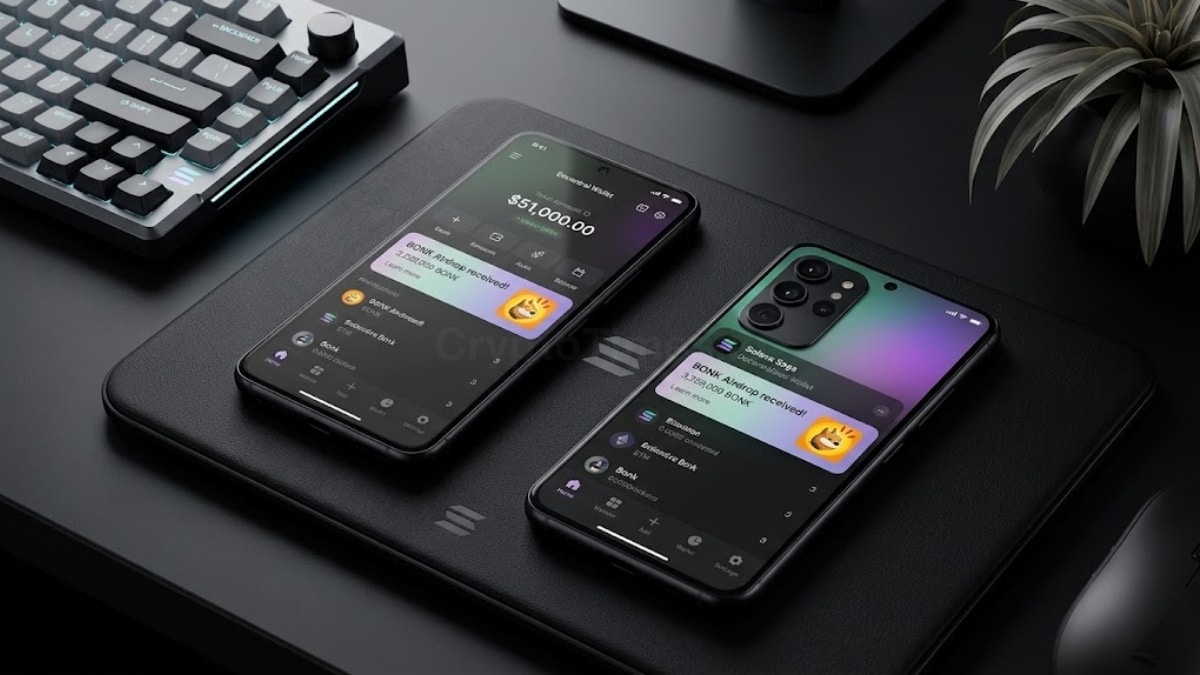
Solana’s memecoin culture has extended into hardware, bridging the gap between digital memes and physical hardware.
The first-generation Solana Saga smartphone saw a surge in demand driven by a 30 million BONK token airdrop that effectively paid for the phone itself.
With the launch of the second-generation Solana Seeker device, the ecosystem is becoming more integrated. Over 200,000 devices have been sold across the Saga and Seeker lines, providing a verified user base for developers to airdrop new memecoins to.
Top Solana Memecoins by Market Cap (March 2026)
As of March 31, 2026, CoinGecko’s Solana Meme category showed a total market capitalization of about $3.68 billion and roughly $576.7 million in 24-hour trading volume. BONK held a market cap of roughly $514 million, WIF about $179 million, and PENGU about $410 million.
These numbers move quickly, but they show that the category remains large enough to matter while fragmented across several narratives rather than dominated by a single token. Below is a snapshot of the top-performing assets leading the pack in early 2026.
| Coin Name | Ticker | Current Price (USD) | Estimated Market Cap |
|---|---|---|---|
| Official Trump | TRUMP | $2.92 | $678.9 Million |
| Bonk | BONK | $0.06 | $538.8 Million |
| Pudgy Penguins | PENGU | $0.01 | $451.2 Million |
| dogwifhat | WIF | $0.17 | $169.2 Million |
| Fartcoin | FARTCOIN | $0.16 | $158.6 Million |
Data accurately sourced from market aggregators as of March 2026.
Solana Memecoins
Here is a breakdown of the most notable memecoins on Solana:
1. Samoyedcoin (SAMO): The Web 3.0 Pioneer
What is it? Samoyedcoin is one of the earliest memecoins on Solana and is widely regarded as the network’s original dog-themed meme token.
Origin Story: Launched in April 2021, it predates NFTs and automated launchpads on the network. It was designed as a direct tribute to Solana co-founder Anatoly Yakovenko.
Why it matters: Unlike modern tokens that focus purely on hype, SAMO was built to educate users and onboard them into the Solana ecosystem. It boasts the oldest and most passionate community on the network.
Historic Price Movements: In October 2021, the memecoin saw a massive rally. According to CoinMarketCap data, the price of SAMO went from $0.005 to its ATH of $0.25. However, for the following months, SAMO crashed rapidly, as on December 31, 2021, the price had dropped to $0.036, and it continued to drop by May 2023.
2026 Status: While newer tokens have overshadowed its market cap, SAMO remains a vital historical artifact. As of March 2026, it trades near $0.0004 with a market cap hovering between $1.4 million and $2.8 million.
2. Bonk (BONK): The Ecosystem Savior
What is it? Bonk is the premier community coin and the unofficial mascot of the Solana blockchain.
Origin Story: It was launched via a large airdrop in December 2022. Following the collapse of the FTX exchange, the Solana network was bleeding liquidity and morale.
Why it matters: BONK’s developers airdropped 50% of the total supply directly to Solana NFT holders, developers, and DeFi users. This instantly injected liquidity and positivity back into the network.
Historic Price Movements: BONK launched at an opening price of approximately $0.0000001487, per CoinMarketCap data. Within its first week of trading, the token surged over 2,000%, briefly touching $0.0000034 by January 5, 2023. The rally faded quickly. By March 2023, BONK had fallen back to $0.0000004, and it bottomed out near $0.0000001776 in mid-October 2023.
A community-driven “BURNmas” event on December 26, 2024, destroyed 1.69 trillion tokens (roughly $51–55 million in value). Despite these catalysts, BONK has since retraced approximately 90% from that ATH, trading near $0.000006 as of late March 2026.
2026 Status: BONK has transcended meme status to become a foundational DeFi asset. It boasts a market cap exceeding $500 million and is integrated across dozens of Solana decentralized applications.
Also Read: BONK Price Pumps 10%: Can This Meme Coin Bring Back Attention to Solana?
3. Dogwifhat (WIF): The Zenith of Pure Branding
What is it? WIF is centered around a viral image of a Shiba Inu dog wearing a pink knitted beanie.
Origin Story: Launched in November 2023, the token completely ignored complex utility models or roadmaps. It was a pure, unadulterated bet on internet culture and community psychology.
Why it matters: WIF proved that raw aesthetic minimalism could create a billion-dollar asset. At its peak in early 2024, the token hit a staggering all-time high of $4.83.
Historic Price Movements: WIF entered an explosive March rally, crossing $1 on March 1, hitting $3 by March 15, and peaking at its all-time high of $4.85 on March 31, 2024, per Coinbase data. The move briefly pushed WIF’s market cap above $1 billion. A severe correction followed, with the token shedding roughly 70% of its value over the subsequent months.
2026 Status: Subject to a broader market cool-down, WIF currently trades around $0.17 with a market capitalization of roughly $169 million, maintaining its status as a high-liquidity favorite for algorithmic traders.
4. Popcat (POPCAT): Universal Web Culture
What is it? A meme token based on the globally famous internet clicker game featuring a cat named Oatmeal whose mouth pops open into an ‘O’ shape.
Origin Story: POPCAT tokenized a non-controversial, universally recognized internet meme to capture a broad, global audience.
Why it matters: While many tokens rely on insider jokes or political events, POPCAT offers universal appeal. The developers introduced clean liquidity pools and staking mechanisms, giving it longer staying power than typical flash-in-the-pan tokens.
Historic Price Movements: POPCAT’s earliest recorded price was near $0.017 in late December 2023, and it dipped to an all-time low of approximately $0.0038 in January 2024. After a community takeover removed the original developer, the market cap grew from roughly $200,000 to over $230 million by May 2024.
A sustained rally through the second half of the year pushed POPCAT past $1 billion in market capitalization by late September, and it peaked at approximately $2.05 on November 17, 2024, making it the first cat-themed token to reach a billion-dollar valuation on any chain. The drawdown since has been roughly 97%.
2026 Status: POPCAT remains a highly active momentum bet, consistently maintaining a multi-hundred-million-dollar valuation throughout 2026.
5. Wen (WEN): Fractionalized Poetry
What is it? A cat-themed token that was actually a massive infrastructure stress test in disguise.
Origin Story: WEN originated as a poem titled “A Love Letter to Wen Bros,” written by the pseudonymous founder of the Jupiter DEX, known as Meow. The poem was minted as an NFT and fractionalized into exactly 1 trillion tokens.
Why it matters: WEN was used to rigorously test Jupiter’s LFG Launchpad before the massive JUP token airdrop. 700 billion WEN tokens were airdropped fairly to over one million Solana wallets in January 2024.
Historic Price Movement: After distribution, WEN traded up steadily through Q1 2024, reaching its all-time high of approximately $0.000512 on March 27, 2024. Roughly 41% of airdropped tokens went unclaimed by the deadline, and approximately 27.24% of the total supply was subsequently burned. Despite the supply reduction, the token declined throughout the rest of 2024 and fell sharply in 2025, losing roughly 90% of its value year-over-year. It now trades near $0.000005 with a market cap under $4 million.
2026 Status: Having completed its primary mission, WEN now serves as a governance token for the WEN DAO and is used to tip creators across the network.
6. Book of Meme (BOME): Archival Permanence
What is it? A project designed to immortalize meme culture directly onto decentralized blockchain storage.
Origin Story: Launched in March 2024 by Darkfarms, a prominent artist in the Pepe meme community, BOME was designed to stop digital decay.
Why it matters: BOME connects a digital metadata book directly to the token. It stores images immutably on networks like Arweave and IPFS, ensuring memes cannot be deleted or censored. Following its launch, it surged 3,000% as the market realized its unique utility.
Historic Price Movements: BOME recorded both its all-time low of 0.00006 and all-time high of $0.027 within the same 48-hour window in mid-March 2024. A move of roughly 45,000% that briefly pushed its market cap above $1 billion. A near-immediate Binance listing added further fuel to the initial surge.
The token closed 2024 at around $0.0064, still well above its launch price but down sharply from the peak. Through 2025, the average price dropped to approximately $0.0021, and the slide has continued into 2026, with BOME now down roughly 98.6% from its ATH.
2026 Status: With a total supply of exactly 69 billion tokens, BOME maintains strong relevance and is heavily traded on top-tier centralized exchanges.
7. Myro (MYRO): The Narrative Shift (and Delisting Drama)
What is it? A dog-themed token named after the real-life pet of Solana co-founder Raj Gokal.
Origin Story: Launched in November 2023, MYRO promised zero transaction taxes and integrated utilities like a Telegram Buy Bot and a Social-Fi app.
Why it matters: MYRO attempted to transition from a pure meme into a functional product, aiming to bring inclusivity to the space.
2026 Status: 2026 has been a turbulent year for MYRO. The token faced severe fundamental scrutiny, leading to highly publicized delistings. Bybit delisted MYRO on January 21, 2026, and Coinone followed suit on February 19, citing insufficient community activity and failing viability. This highlights the intense regulatory and exchange pressure mid-tier memecoins face today.
8. Slerf (SLERF): The $10 Million Mistake
What is it? A sloth-themed token famous for orchestrating the most legendary “accidental” fair launch in crypto history.
Origin Story: During its March 2024 presale, the project raised $10 million from eager investors. However, in a catastrophic error, the developer accidentally burned the entire $10 million liquidity pool and airdrop allocation, rendering the funds permanently lost.
Why it matters: The developer’s public confession (“oh f***”) birthed an incredible narrative. Because the presale whales couldn’t dump their tokens, retail investors flooded in, driving $2.7 billion in trading volume in a single day.
2026 Status: The token suffered from massive liquidity bottlenecks. To survive, SLERF executed a full V2 contract migration on January 29, 2026, supported by exchanges like KuCoin and INDODAX. Holders received new tokens (contract: 9999FVbjHioTcoJpoBiSjpxHW6xEn3witVuXKqBh2RFQ) at a 1:2 split. The token currently trades around $0.0035.
9. Peanut the Squirrel (PNUT): The Sociopolitical Movement
What is it? A viral memecoin was birthed from sociopolitical outrage and digital activism.
Origin Story: In late 2024, the New York authorities controversially seized and euthanized an internet-famous rescue squirrel named Peanut.
Why it matters: The incident triggered public anger. Figures like Elon Musk posted on X about the event, turning it into a symbol of government overreach during the US election cycle. PNUT was launched to capture this furious cultural momentum.
Historic Price Movement: Within 24 hours of its October 31 launch, PNUT’s market cap exceeded $140 million. The parabolic move came between November 10 and 13, when the price surged approximately 2,200% in three days on the back of its Binance listing and peak viral attention. The market cap briefly approached $2 billion at the ATH.
The unwind was equally sharp. By January 2025, the price had halved to around $0.52, and it continued falling through Q1 2025 into the $0.12 range before settling into its current level.
2026 Status: As political news cycles faded, so did PNUT’s viral dominance. It currently trades with a market cap of roughly $43 million to $45 million, serving as a textbook example of “attention decay.”
10. Pudgy Penguins (PENGU): The Web3 IP Bridge
What is it? The official memecoin for the massive Pudgy Penguins brand.
Origin Story: Originally an elite, expensive Ethereum NFT collection, the brand was acquired by entrepreneur Luca Netz. To make the brand accessible to everyday users, the team launched PENGU on Solana.
Why it matters: PENGU successfully bridged Ethereum and Solana liquidity. By democratizing the brand, the token holder base skyrocketed from 250,000 to over 600,000 almost instantly.
Historic Market Movement: On launch day, December 17, 2024, PENGU opened near $0.007 and rocketed to its ATH of approximately $0.068 within hours, briefly touching a $3 billion market cap on over $90 million in first-hour volume.
Airdrop recipients sold aggressively, and the token shed more than 50% within days. It trended lower through Q1 2025, hitting an all-time low of roughly $0.0037 in early April 2025. A mid-2025 recovery brought it back toward $0.04 before it eased again into its current range.
2026 Status: PENGU is a powerhouse in the 2026 market, trading securely with a massive market capitalization of over $450 million.
11. Fartcoin (FARTCOIN): The AI Absurdity
What is it? A post-ironic token conceived entirely by an autonomous artificial intelligence agent.
Origin Story: Fartcoin was hypothesized by Truth Terminal, an AI agent model that joked about Elon Musk’s love for flatulence humor.
Why it matters: The token features a custom code that triggers a digital fart sound during on-chain transfers. Despite the ridiculous premise, it has become a favorite for sophisticated whale traders and frequently triggers massive short squeezes against bearish institutional investors.
Historic Price Movement: Fartcoin first traded near $0.01 in mid-October 2024 and closed the year at roughly $0.94, a gain exceeding 9,300%. The rally peaked on January 19, 2025, when the token hit an all-time high of approximately $2.62, briefly surpassing a $2.3 billion market cap. It shed over 70% through the rest of 2025, though it has held above $0.15 more consistently than most peers in the category.
2026 Status: Fartcoin remains remarkably resilient, holding a market cap of over $158 million in March 2026.
12. ai16z (AI16Z): The Autonomous AI DAO
What is it? A hybrid memecoin and governance token acting as a parody of the venture capital firm Andreessen Horowitz.
Origin Story: AI16Z is led by an autonomous AI agent named “Marc Andreessen.”
Why it matters: It powers ElizaOS, a highly advanced operating system designed to build and operate AI trading agents. Holders use the token to vote on investment proposals that the AI agent then executes autonomously.
2026 Status: AI16Z has stabilized into a multi-hundred-million-dollar asset class, proving that the line between memecoins and advanced AI infrastructure is rapidly blurring.
Market Manipulation: The Dark Side of Solana Memecoins
While the stories of generating generational wealth are alluring, the 2026 memecoin market is a highly adversarial environment. Retail traders must be incredibly cautious.
Recent cross-chain academic studies analyzed over 34,000 tokens and found that 82.8% of high-performing memecoins exhibited artificial growth strategies.
What is LPI?
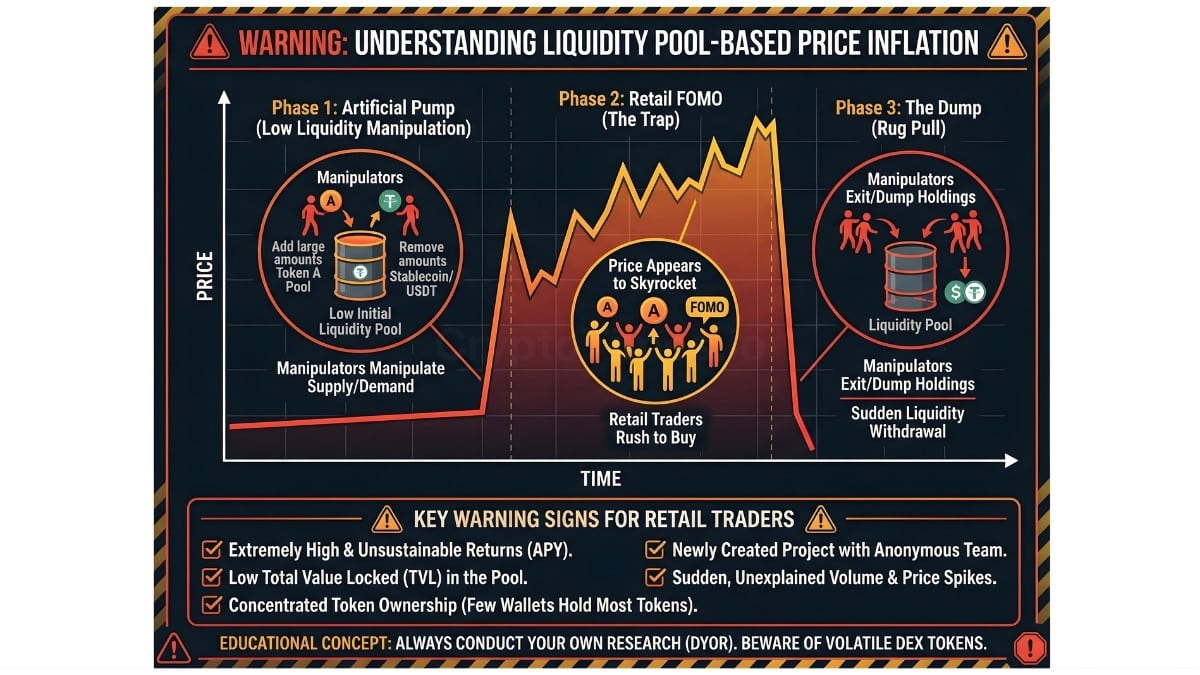
Alongside traditional wash trading, developers now use Liquidity Pool-Based Price Inflation (LPI). Malicious actors use bots to make small, algorithmic purchases that manipulate decentralized exchange math. This creates a fake “pump,” tricking retail investors into buying via Fear Of Missing Out (FOMO). Once retail capital enters, the insiders extract the liquidity, resulting in millions of dollars in losses.
Always do your own research, use reputable wallets, and never invest capital you cannot afford to lose entirely.
Conclusion
The Solana memecoin ecosystem in 2026 is a fascinating, trillion-dollar sandbox of human psychology, high-speed algorithmic trading, and viral internet culture. From the foundational legacy of Samoyedcoin and Bonk to the AI-driven absurdity of Fartcoin and AI16Z, these digital assets have redefined how we assign value to attention.
Backed by the impending Alpenglow upgrade and the success of the Solana Mobile Stack, the network is positioned to remain the global capital for decentralized speculation for years to come.
Frequently Asked Questions (FAQs)
What is the best Solana memecoin to buy in 2026?
While no asset is guaranteed, the most established and highly liquid Solana memecoins in 2026 include BONK, PENGU, WIF, and TRUMP. These tokens feature strong brand recognition, deep liquidity pools, and massive community backing.
Why are memecoins so popular on Solana?
Solana is incredibly fast and cheap. With transaction fees costing fractions of a cent and the network processing thousands of transactions per second, it is the perfect environment for retail users to trade viral tokens without losing money to high network costs.
What happened to the SLERF token?
During its presale, the SLERF developer accidentally burned $10 million of investor funds. To solve ensuing liquidity issues, the community executed a V2 contract migration in January 2026. The new SLERF V2 contract address is 9999FVbjHioTcoJpoBiSjpxHW6xEn3witVuXKqBh2RFQ.
Is Myro (MYRO) still a good investment?
MYRO has faced significant headwinds in early 2026. The token was officially delisted by major centralized exchanges like Bybit and Coinone due to a lack of community activity and failing viability, making it a highly volatile and risky asset.
How do I safely trade Solana memecoins?
To trade safely, always use a reputable self-custody wallet like Phantom or Solflare. Trade on established decentralized aggregators like Jupiter or Raydium, and always verify the token’s official contract address via platforms like CoinGecko or CoinMarketCap to avoid purchasing fraudulent copycat tokens.
Disclaimer:
Some elements of this content may have been enhanced with the help of our artificial intelligence (AI) assistants for purposes such as basic refinement, review, image generation, and translation to deliver high-quality news in a shorter time frame. However, all AI-assisted content is reviewed and approved by our team to ensure accuracy, fairness, and editorial integrity.