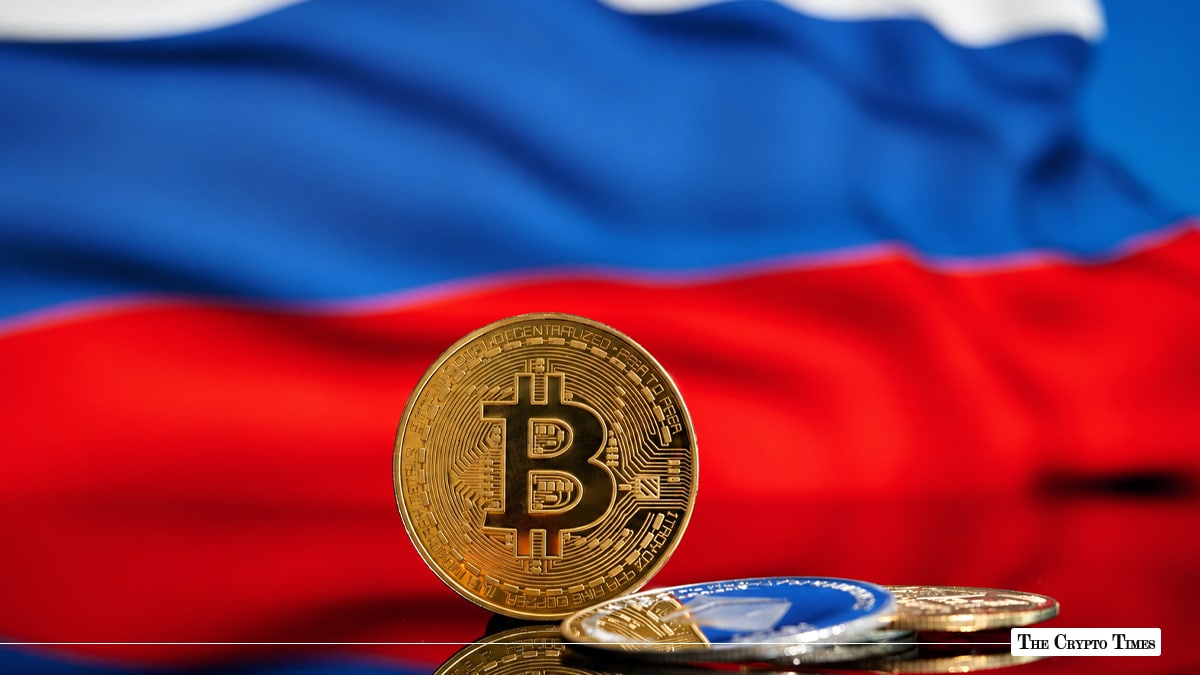
Russia’s new cryptocurrency regulation took effect on September 1, allowing retail and qualified investors to trade eligible digital assets through regulated intermediaries while keeping crypto payments for goods and services banned inside the country.
The new legal framework took effect after Russia’s State Duma approved the legislation in July. It creates rules for cryptocurrency trading, custody and cross-border settlements and brings exchanges, digital repositories and other market participants under a formal regulatory structure.
The move marks a major step in Russia’s effort to bring the country’s digital asset market into its financial system while maintaining strict restrictions on how cryptocurrencies can be used domestically.
Investor limits and testing
Russian President Vladimir Putin signed the country’s broad cryptocurrency regulatory framework on August 4, 2026, following its approval by the State Duma in July. Under the framework, both non-qualified and qualified investors can conduct cryptocurrency transactions through intermediaries, though their access depends on their investor status.qx
Non-qualified investors must pass a mandatory test and can purchase the most liquid eligible cryptocurrencies for up to 300,000 rubles annually through an intermediary. Qualified investors must also complete testing but can buy and sell cryptocurrencies without a purchase limit. The Bank of Russia is responsible for setting eligibility requirements for cryptocurrencies available to retail investors.
Under proposals published before the framework took effect, the central bank considered factors including market capitalization, average daily trading volume and an asset’s price history on foreign platforms. Assets would generally need at least five years of price history under the proposed criteria.
Bitcoin, Ether, and Tether’s USDT were among the cryptocurrencies proposed by the Bank of Russia for regulated trading in August. The final list of assets available to retail investors will depend on regulatory requirements and the products offered by authorized intermediaries.
Exchanges and custody rules
The new law establishes a regulated infrastructure for cryptocurrency transactions involving both existing financial institutions and new market participants. Under these rules, crypto exchanges will facilitate purchases and sales, while digital repositories will record rights to cryptocurrencies and other digital assets. Transactions can also be conducted through brokers, management companies, and organized trading platforms.
Additionally, investors will be able to buy and sell cryptocurrencies and exchange them for securities and digital rights issued under Russian law.
The framework also applies requirements to foreign stablecoins, bringing them within the scope of Russia’s new regulatory system. Market participants have until July 1, 2027, to obtain the required licenses and bring their operations into compliance.
Domestic payments still banned
Despite opening regulated trading, Russia has maintained its long-standing prohibition on using cryptocurrencies for payments within the country. The rules are more flexible for international trade. Russian exporters and importers can use cryptocurrencies for cross-border settlements without limits, either through intermediaries or directly with different wallets and digital assets.
Russian residents can also carry out crypto transactions abroad through foreign bank accounts and transfer cryptocurrencies purchased in Russia to other countries through regulated intermediaries.
They must also report any cryptocurrency holdings recorded abroad to the Russian tax authorities. The cross-border rules could give Russian businesses another option for international settlements as the country continues to explore alternatives for trade payments.
Banks prepare for crypto services
Russia’s financial sector has already begun preparing for the regulated market. On August 28, Sberbank Deputy Chairman Anatoly Popov said the bank plans to expand into crypto-backed lending. Sberbank intends to accept Bitcoin, Ethereum, and Tether’s USDT as collateral once the central bank permits them for public circulation, with plans to expand the list of accepted digital assets as regulations develop.
The bank is also preparing a cryptocurrency wallet and aims to complete its digital asset depository by December 1. Its planned infrastructure is expected to support trading, custody, settlement and depository services for eligible customers. Alfa-Bank has also tested cryptocurrency trading through its Alfa-Investments brokerage application with a limited group of qualified investors.
The new framework gives Russia’s largest financial institutions a clearer path to offer digital asset services while placing exchanges, custody providers and other intermediaries under regulatory oversight.
As the transition period runs through July 2027, attention will now turn to the Bank of Russia’s detailed requirements and the licensing of exchanges, digital repositories, and other companies seeking to operate in Russia’s regulated crypto market.
Also Read: Singapore’s MAS Proposes Stablecoin Law: 100% Reserves, No Interest