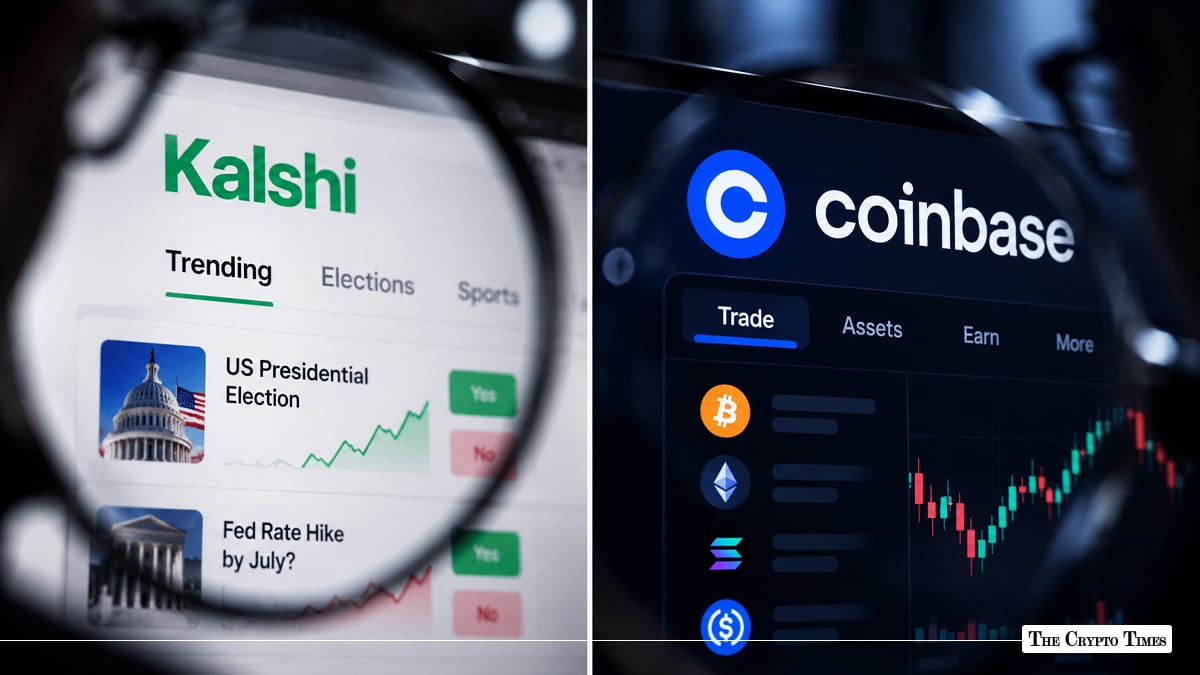
Taiwan has blocked the websites of Coinbase and Kalshi on suspicion of election betting ahead of the island’s November 28 local elections. The move comes amid increased scrutiny from authorities on prediction markets and their involvement in election-related betting.
According to the Bloomberg report, a court in New Taipei City granted a request by the Criminal Investigation Bureau to block access to both platforms. The ruling paved the way for Taiwan’s communications regulator and internet registry to implement the block. Some Coinbase users reported having access issues on October 14.
The reported restrictions concern website access. It remains unclear whether Coinbase’s mobile app, application programming interfaces or other services are affected. The full court order was not available for independent review in contemporaneous reporting, so the precise scope of the restrictions should not be assumed.
The Criminal Investigation Bureau suspected the platforms may have violated Taiwan’s Public Officials Election and Recall Act. The law prohibits for-profit gambling activities based on the results of an election or recall. The bureau said it asked for the restrictions to protect election integrity and prevent overseas interference, but gave no further details about the suspected violations.
The restrictions do not, by themselves, establish that either company has been found guilty of breaking Taiwanese law.
Taiwan Tightens Election-Betting Enforcement
The Taiwanese authorities have warned of Chinese money flowing into the island through underground financial channels and used to influence elections. However, authorities have not alleged that Coinbase or Kalshi handled Chinese funds in this case. The distinction is important because the reported concerns about overseas interference do not establish that either platform was involved in such activity.
Taiwan prohibits betting on election and recall outcomes. Under a 2023 amendment to the Public Officials Election and Recall Act, people who place election bets can face up to six months in prison, while those operating gambling activities for profit can face up to five years.
Prediction markets allow users to trade contracts linked to the outcomes of events, including political contests. Some platforms support cryptocurrency payments, allowing users to fund their positions with digital assets. Their legal treatment varies by jurisdiction and depends on factors including the contracts offered and applicable local laws.
Coinbase operates a cryptocurrency exchange, while Kalshi offers contracts tied to real-world events. The Taiwanese investigation concerns suspected election-betting violations; the available reporting does not establish that either company has been found liable for such violations.
The Crypto Times has reached out to both companies for comment, and will update this article if the publication receives any comments.
Polymarket Also Faces Scrutiny in Taiwan
The latest restrictions follow earlier action against election-related prediction markets in Taiwan. Polymarket, a competitor of Kalshi, has also been blocked in the country.
In April, prosecutors in Taoyuan opened a separate investigation into reports that people had used cryptocurrency to bet on Taiwanese local election results through Polymarket.
That investigation shows that authorities were examining election betting through prediction markets before the restrictions on Coinbase and Kalshi. It remains unclear whether the latest case will lead to further enforcement measures.
Kalshi Faces Legal Challenges in the US
Kalshi is facing legal challenges in several US states over whether its prediction markets should be regulated as financial products or gambling services. The company argues that its contracts fall under the authority of the Commodity Futures Trading Commission (CFTC), while state regulators say some offerings violate local gambling laws.
In New York, Governor Kathy Hochul and Attorney General Letitia James sued Kalshi on July 31, 2026, alleging that it operated an unlicensed gambling business. The state sought to shut down its operations, secure customer refunds and impose financial penalties, including a fine worth three times the company’s gains..
Nevada also moved against Kalshi in March, when a judge issued a 14-day temporary restraining order blocking its sports, political and entertainment markets in the state. The order followed a challenge from the Nevada Gaming Control Board, which argued that the contracts amounted to unlicensed gambling.
In Washington, a judge ordered Kalshi to stop offering certain prediction markets to residents in August, finding that its activities violated state gambling and consumer-protection laws. The company has challenged state-level restrictions, arguing that federal oversight should take precedence.
The cases reflect an ongoing dispute over who has the authority to regulate prediction markets. Their outcomes could affect where Kalshi operates and how similar platforms offer event-based contracts in the US.
The restrictions add to the scrutiny facing prediction markets as authorities look at whether election-related bets break existing laws. For now, only the website access restrictions are confirmed. The wider impact and any further action remain unclear.
Taiwan’s local elections will take place on November 28. Voters will elect mayors, city council members and other local officials. The vote will be the first major nationwide electoral test for President William Lai Ching-te since he took office in 2024. It could also offer an early sign of the political mood ahead of the 2028 presidential election.
Also Read: US Judge Rejects Gemini, CFTC Bid to Overturn $5M Settlement