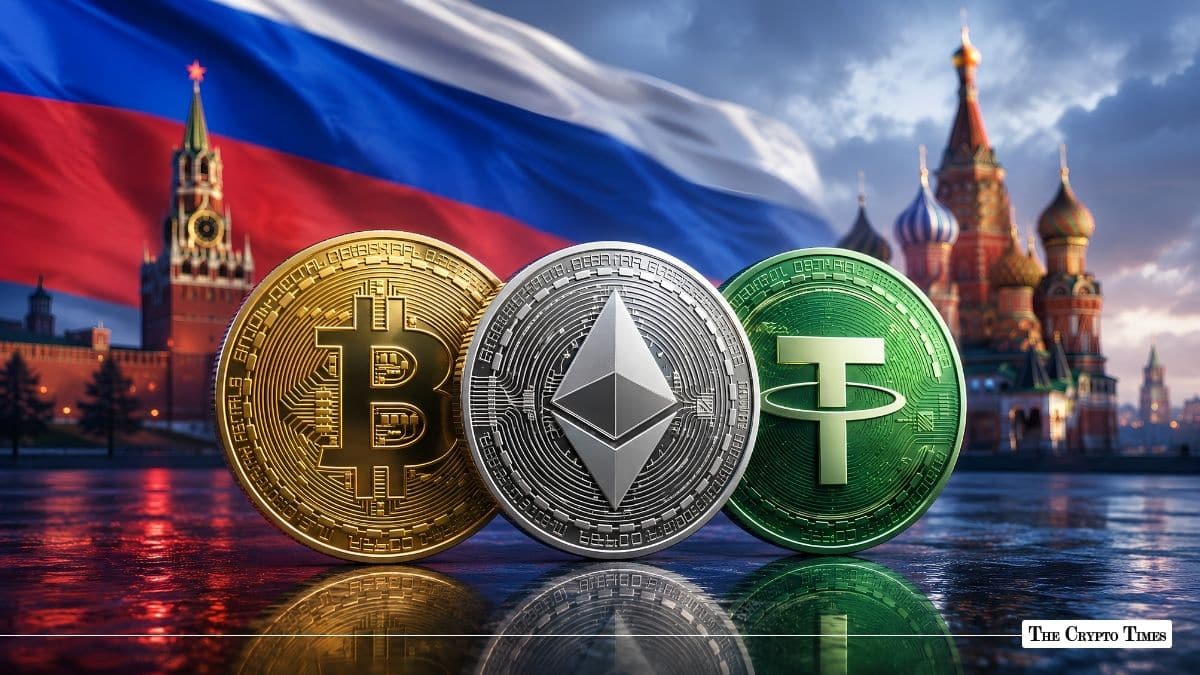
Russia is preparing to allow trading of Bitcoin, Ether and Tether through regulated exchanges as the country moves to bring cryptocurrency markets under a formal legal framework from Sept. 1.
The Bank of Russia has proposed rules for organized cryptocurrency trading following legislation adopted by the State Duma in July. The framework would allow both retail and qualified investors to trade crypto through regulated intermediaries, while imposing additional restrictions on non-qualified investors.
For retail investors, purchases of the most liquid cryptocurrencies would be capped at 300,000 rubles ($3,690) a year through each intermediary, after completing a required test. Qualified investors would also have to pass testing but would not face the same purchase limit and could trade cryptocurrencies without an amount cap.
The Bank of Russia has also proposed infrastructure covering exchanges, brokers, management companies and digital depositories as part of the new market structure.
Why Russia is opening regulated crypto trading
The move marks a shift from Russia’s previous approach, which allowed cryptocurrency ownership and some forms of use while leaving much of the trading market outside a comprehensive regulatory framework.
Under the legislation adopted in July, cryptocurrencies will be treated as property and can be traded through regulated intermediaries. The law also allows exporters and importers to use cryptocurrency for cross-border settlements. Domestic payments for goods and services using cryptocurrencies, however, remain prohibited.
The Bank of Russia said the new framework is intended to establish a regulated infrastructure for cryptocurrency circulation rather than leave activity in an unregulated market.
Bitcoin, Ether and Tether at the center of the proposal
The central bank has identified Bitcoin, Ether and Tether as the assets targeted for access under the initial trading framework, based on liquidity and market characteristics. The broader law does not limit qualified investors to those three assets. Qualified investors would be able to trade other cryptocurrencies subject to the regulatory framework.
Foreign stablecoins would generally be subject to the same regulatory requirements as other cryptocurrencies under the new framework.
New rules reshape who can operate crypto platforms
The legislation creates a regulated structure for organizations providing cryptocurrency trading and related services. Companies conducting organized cryptocurrency operations will be subject to registration and licensing requirements, with a transition period running through July 1, 2027, for market participants to bring their operations into compliance.
The law also establishes digital depositories to record cryptocurrency holdings and related rights. Separately, the Bank of Russia has proposed capital requirements for digital depositories ranging from 50 million to 250 million rubles, depending on the services they provide.
The central bank said exchanges will determine their trading procedures and calculate market and weighted-average prices for the assets traded on their platforms.
Putin signs broader crypto framework
President Vladimir Putin signed the legislation into law in early August after the State Duma approved it in July. Most of its provisions are scheduled to take effect Sept. 1. The legislation covers the circulation, accounting and trading of digital currencies and establishes rules for exchanges, brokers, digital depositories and other market participants.
It also creates a legal basis for using cryptocurrencies in cross-border transactions, while maintaining the prohibition on using them as a domestic means of payment.
Crypto crackdown runs alongside legalization
The formalization of crypto markets comes as Russian authorities continue targeting unregistered cryptocurrency operations.
On Aug. 7, the Federal Security Service said it had worked with the Interior Ministry to shut down nine unregistered cryptocurrency exchange operations that authorities allege were involved in laundering proceeds from cross-border telephone scams.
The FSB said more than 20 people were detained during raids in Moscow. Authorities alleged that the operations converted funds obtained from Russian fraud victims into cryptocurrency before transferring the assets abroad. Those allegations have not been independently verified.
The enforcement action shows the other side of Russia’s new regulatory framework: while the government is creating a formal route for cryptocurrency trading, it is also seeking to push unregistered crypto businesses out of the market.
What happens next
The Bank of Russia’s implementing rules are still subject to public review. The regulator has been developing requirements covering organized trading, digital depositories and other market infrastructure ahead of the Sept. 1 effective date.
The transition period gives existing market participants until July 2027 to obtain the necessary approvals and comply with the new requirements.
For retail investors, the immediate framework will remain restrictive, with mandatory testing and a 300,000-ruble annual purchase limit per intermediary. Qualified investors will have broader access, while domestic cryptocurrency payments will remain prohibited.
Also Read: Kalshi Sued by FlightAware Over Flight Cancellation Betting Markets