Key Highlights
- Putin signed Russia’s first comprehensive cryptocurrency law, creating clear rules for crypto trading, mining, exchanges, and digital assets.
- The new law allows regulated crypto investing but keeps the ban on using cryptocurrencies to pay for goods and services.
- While Russia has finalized its crypto framework, the U.S. is still waiting on a decision over the CLARITY Act as lawmakers continue negotiations.
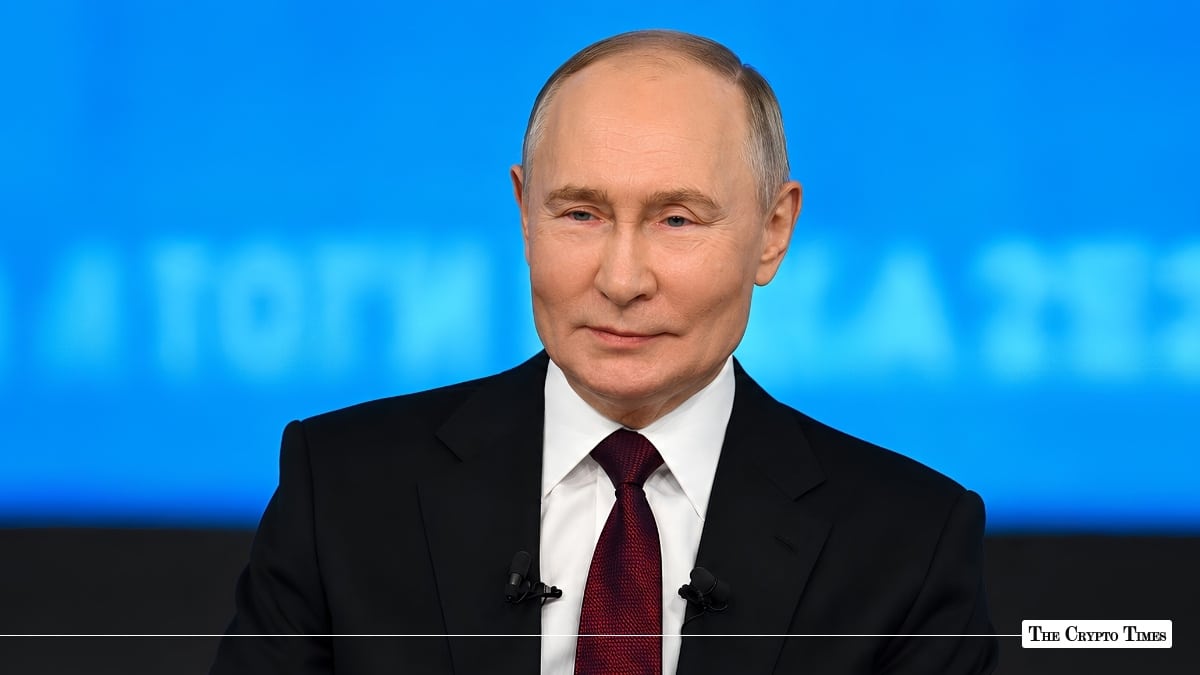
Russian President Vladimir Putin has signed Russia’s first major law to fully regulate cryptocurrencies, marking a new chapter for the country’s digital asset industry.
According to a local report, the law, signed on Tuesday, establishes rules for how cryptocurrencies can be traded, stored, and managed within the country. Most parts of the law will take effect on September 1 as the government moves to bring the fast-growing crypto industry under clear legal control.
For years, Russia has taken a cautious approach to digital assets. While people could own cryptocurrencies, the rules governing them were limited and often unclear.
The new law changes that by setting rules for almost every major part of the industry. It covers the creation, storage, circulation, and record-keeping of cryptocurrencies and digital financial assets. It also introduces rules for crypto exchanges, brokers, digital asset platforms, clearing organizations, digital depositories, and crypto mining.
Who can run crypto exchanges?
One of the major changes is that only companies approved by the government will be allowed to run cryptocurrency exchanges. These companies must be listed in a special state register before they can legally offer exchange services. Businesses already operating will have until July 1, 2027, to complete their registration.
To qualify, they must hold at least 15 million rubles, or about $187,000, in capital and become members of a self-regulatory financial organization.
The law also explains what makes a company a cryptocurrency exchange. It said if a business regularly buys and sells cryptocurrencies on its own behalf outside organized trading, it will be treated as an exchange. Companies with monthly crypto transactions worth more than 3.5 million rubles ($43,712) will also fall under these rules.
What the new law allows, and doesn’t
While the law gives cryptocurrencies a legal status in Russia’s financial system, it does not allow people to use them to pay for everyday goods and services. The country’s ban on crypto payments remains in place. Businesses and individuals are also not allowed to advertise or promote cryptocurrencies as a way to make payments.
Even so, the law leaves room for a few exceptions. Certain cross-border payments between Russian residents and foreign businesses will still be allowed. It also permits transactions involving cryptocurrencies earned through mining, payments made inside digital asset platforms, and some settlements involving securities, digital rights, and other cryptocurrencies.
Banks will also play an important role under the new rules. If they believe an unlicensed company is offering cryptocurrency exchange services, they must refuse to process related money transfers. At the same time, the law gives cryptocurrency owners legal protection by allowing them to defend their rights in court, even if their digital assets were not declared in the past.
Opening the door for crypto investors
The new framework also opens the door for more people to legally invest in cryptocurrencies. Retail investors will be able to buy only the most liquid cryptocurrencies through licensed intermediaries.
However, they will be limited to purchases worth 300,000 rubles ($3,700) each year with every intermediary. Qualified investors will be free to buy any cryptocurrency without a purchase limit. Before trading, both retail and qualified investors must pass a mandatory knowledge test. People with previous cryptocurrency trading experience may also use that experience to qualify as professional investors.
Public opinion remains mixed
The law comes as many Russians are still trying to understand cryptocurrency. A survey by Rambler&Co found that 69% of respondents do not believe crypto will have major practical use even after the new law takes effect. More than half said they do not use digital assets today and are unsure how the new rules will affect their lives.
Still, not everyone shares that view. Around 22% of those surveyed believe it is better to regulate cryptocurrencies than leave the market without clear rules. Others said they would feel more confident if there were simple laws, trustworthy trading platforms, and honest information that explains how crypto works instead of promises of quick profits.
The survey also showed that many Russians still know very little about digital assets, highlighting the need for better public education as the new system begins.
Mining restrictions continue to expand
Meanwhile, the country is still cracking down on crypto mining. Last week, the government expanded its ban on mining to Moscow, as well as regions around Moscow and parts of the Kursk Region. This ban is expected to take effect from August 15, 2026, until December 21, 2032.
According to regulators, most of the mining operations are using a huge amount of electricity and could put too much pressure on the power grid, which could lead to a shortage of power. Officials said the restriction is needed to make sure homes, businesses, and users can continue to have a stable power supply.
Russia moves ahead while the U.S. waits
While Russia has finalized its crypto regulatory framework, the United States has yet to decide whether it will adopt its own comprehensive crypto market rules.
As of now, the future of the CLARITY Act is still uncertain as the White House continues reviewing a bipartisan proposal aimed at resolving an ethics dispute surrounding the bill. This delay has left lawmakers without an agreement before the Senate’s August recess.
Also Read: Senate Majority Leader Eyes CLARITY Cloture as Ethics Talks Continue