Key Highlights
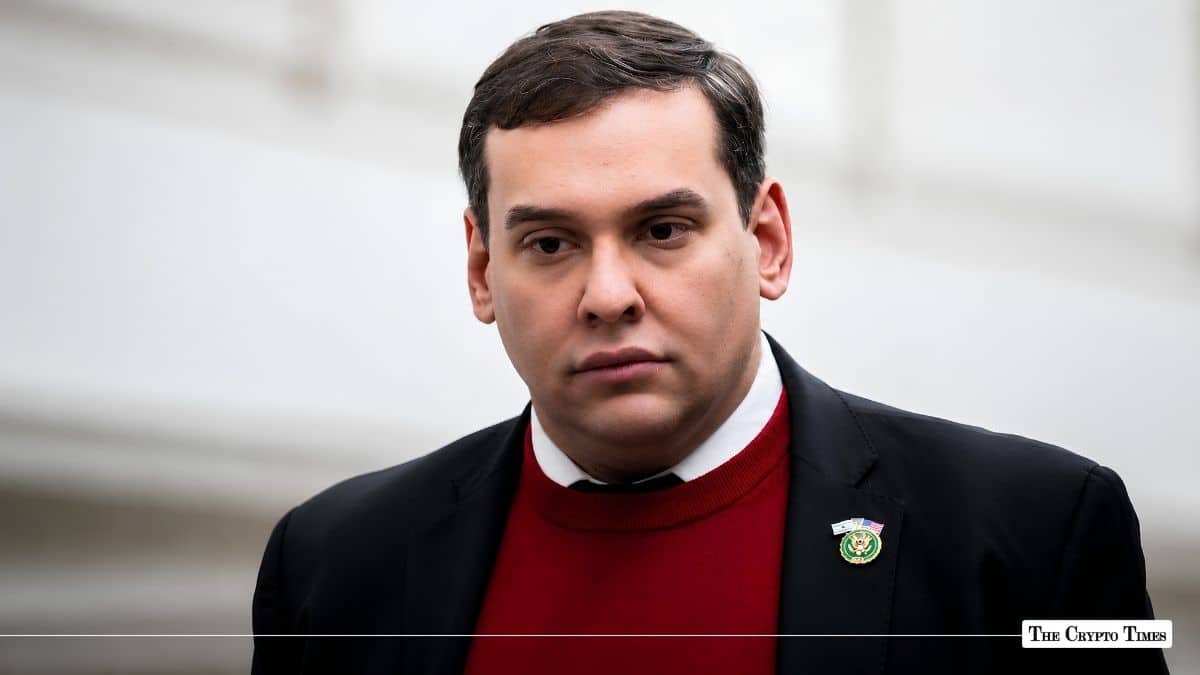
- Kalshi permanently banned George Santos and imposed a $71,356 penalty, making it the platform’s first lifetime ban.
- The ban is linked to Santos’ trades on his own State of the Union attendance, which the CFTC said profited him $17,569.98.
- Santos rejected Kalshi’s decision, accusing the platform of breaking its own deadlines and calling the action “frivolous nonsense.”
Kalshi has permanently banned former U.S. congressman George Santos from its prediction market platform on Monday, August 31, after its compliance team found reasonable cause to believe he engaged in illicit trading.
According to a report published by The Wall Street Journal on Monday, August 31, the ban comes with a $71,356 penalty and it is the first lifetime ban Kalshi has issued.
The decision follows a case involving Santos’ trades on a Kalshi market that asked whether he would attend President Donald Trump’s 2026 State of the Union address. The market became unusual because Santos himself was the person whose actions would decide the outcome. This gave him a direct connection to the event contract he was trading.
Why Santos traded on his own attendance
Meanwhile, the Commodity Futures Trading Commission (CFTC) had already taken action against Santos over the same trades. The regulator said Santos traded both “Yes” and “No” positions between February 12 and February 25, 2026, while also making public posts about his plans for the State of the Union.
According to the CFTC, Santos made money by trading the market while his public comments gave people the impression that he planned to attend the address. The regulator said his posts affected how traders viewed the contract and helped move its price.
One of the posts mentioned in the CFTC case came on February 22. Santos asked his followers on X, “Should I wear a muted serious suit to the SOTU or a bedazzled one?” Regulators said the post increased confidence that Santos would attend the event before he moved out of part of his trading position.
CFTC had already punished Santos
The CFTC said Santos earned $17,569.98 from the trades. In July, he agreed to settle the regulator’s case. Under the agreement, Santos gave up the trading profits and paid a $17,500 civil penalty, bringing the total financial sanction to about $35,070.
He also accepted a three-year ban from trading in markets regulated by the CFTC. The settlement allowed Santos to avoid a longer legal fight. His lawyer, Joseph Murray, said Santos agreed to pay because continuing the case would have been expensive and said the settlement did not mean his client admitted guilt.
Kalshi’s punishment is separate from the CFTC settlement. The company said Santos’ failure to take part in its internal review led to the lifetime exclusion. Santos has the right to appeal Kalshi’s decision to the CFTC.
Santos pushes back against Kalshi
However, Santos did not stay quiet after the ban. In a post on X on Monday, he wrote: “Hey @Kalshi thanks for the lifetime ban from your gambling platform. Let’s see how much longer you guys are around for.”
He followed that with another post accusing Kalshi of breaking its own notices and deadlines. Santos said the platform gave him a 30-day notice on August 7 but still announced what he called “frivolous nonsense” on Monday. He also accused the company of “leaking and attention seeking.”
Prediction markets face more scrutiny
The case comes as prediction markets face more attention from regulators and law enforcement over trades involving private information. Kalshi has said it has carried out more than 200 insider trading investigations and has also banned markets connected to wars.
Another recent case involved Gabriel Perez, a former White House teleprompter operator. The CFTC said Perez used information from President Trump’s prepared speeches to place trades on Kalshi’s “Mentions” market, where users bet on whether certain words or topics will appear in speeches. Kalshi separately suspended Perez for three years, while the CFTC imposed a matching trading ban.
Santos was expelled from Congress in 2023. He pleaded guilty to federal wire fraud and identity theft charges in 2024 and received a prison sentence of more than seven years. President Trump later commuted the sentence.
Also Read: Japan FSA Seeks Tax Filing Exemption for Trust Based Stablecoins