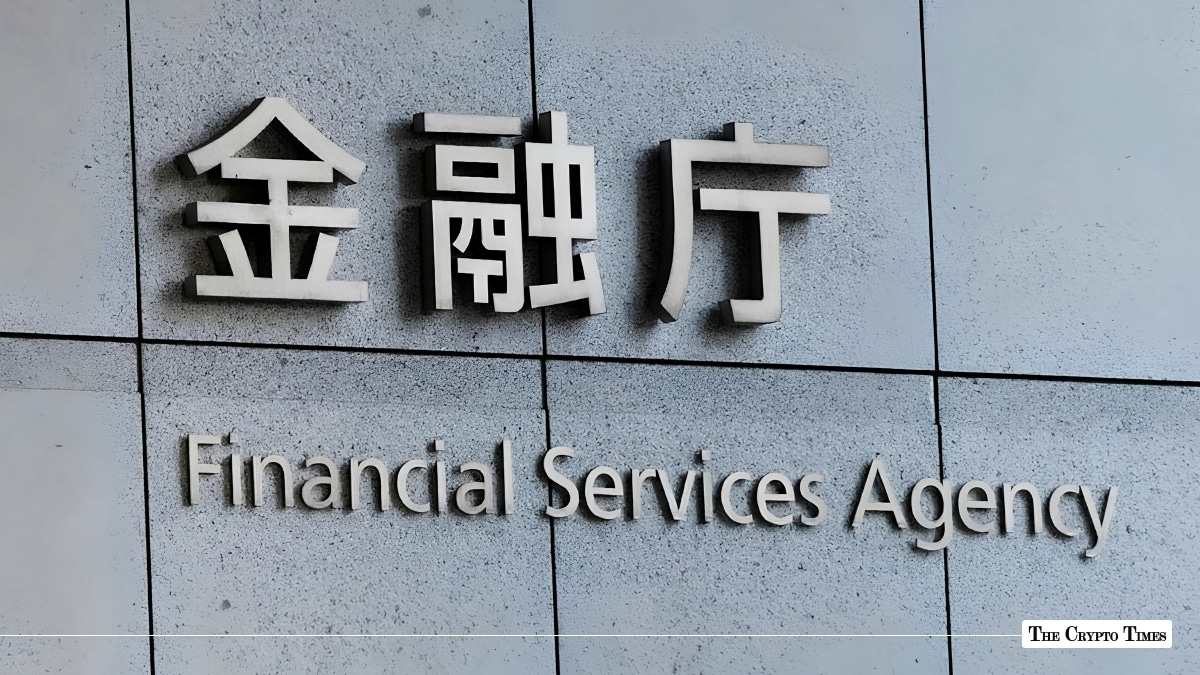
Japan’s Financial Services Agency (FSA) has asked the government to ease a tax filing requirement that can be triggered when beneficiaries of trust-based stablecoins change.
In its fiscal 2027 tax reform requests released on August 31, the FSA requested an exemption from document filing requirements for beneficiary changes involving trust-based stablecoins. The proposal concerns stablecoins structured as specified trust beneficiary rights.
The issue stems from how these tokens are designed to move through the market. Unlike a conventional trust arrangement with a relatively stable group of beneficiaries, the beneficiary of a trust-based stablecoin can change when the token is transferred.
That frequent movement can make it difficult for trustees to identify individual holders and report each beneficiary change under existing procedures.
Why Japan wants the exemption
Under Japan’s existing trust-related tax rules, trustees are generally required to submit trust-related documents to tax authorities when a trust beneficiary changes.
Applying the same process to stablecoins, however, could create a reporting burden that grows with every transaction. Since these tokens are intended to function as payment instruments and may circulate frequently, trustees could face practical difficulties monitoring the names and movements of individual holders.
The FSA has therefore requested that beneficiary changes involving trust-based stablecoins be exempted from the filing obligation. The proposal was the only measure listed under the agency’s “Promotion of Financial Innovation” section in its latest tax reform requests, according to CoinPost.
How trust-based stablecoins work
Japan already has a regulatory framework for stablecoins under its Payment Services Act. Fiat-denominated stablecoins can qualify as electronic payment instruments, depending on how they are issued and structured.
Trust-based stablecoins fall into the Type 3 category of electronic payment instruments. JPYSC, Japan’s first trust-backed yen stablecoin, launched in June through an initiative involving SBI Group and Startale Group, with SBI Shinsei Trust Bank serving as the issuer.
Japan’s stablecoin framework also covers other models. In April 2026, the FSA classified JPYC under its money transfer service framework as a Type 2 Money Transfer Service, distinguishing it from the trust-based structure used by JPYSC.
The proposed reporting relief does not change the fundamental regulatory classification of these tokens. Instead, it addresses an administrative issue created by applying existing trust-related tax procedures to a payment instrument designed for frequent transfers.
The move could help reduce operational friction for trustees and other entities involved in issuing and managing trust-based stablecoins.
Foreign Stablecoins Under Review
The FSA’s tax reform requests also include a separate proposal concerning trust-based stablecoins issued outside Japan.
Details of that request were not included in the same financial innovation item, but foreign-issued trust-based stablecoins remain part of the agency’s broader tax reform agenda.
Japan’s government and ruling parties are expected to review the proposals as they prepare the country’s tax reform outline, which is typically finalized toward the end of the year.
The eventual outcome will determine whether the requested reporting exemption becomes part of Japan’s fiscal 2027 tax reforms. The discussions could also provide further clarity on how the country intends to handle foreign-issued trust-based stablecoins as regulated digital payment instruments continue to develop.
Also Read: BIS Chief Says Stablecoins Are Not Ready for Payments at Scale