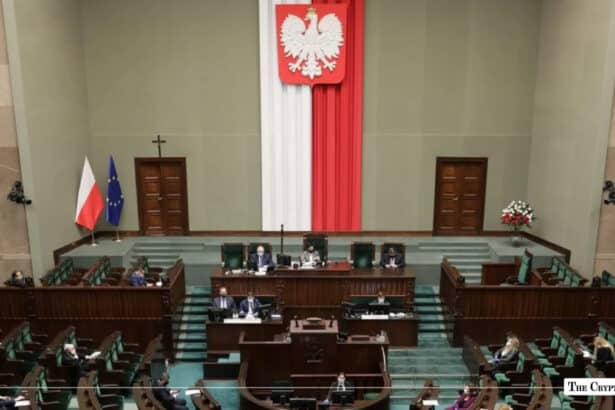
Russia’s State Duma completed the second and third readings of a comprehensive digital assets regulation bill on July 21, 2026. The legislation, officially known as Bill No. 1194918-8 or “On Digital Currencies and Digital Rights,” treats cryptocurrencies such as Bitcoin as legal property. This classification provides holders with clearer legal protections in areas including bankruptcy proceedings, divorce settlements, and court disputes.
The bill maintains Russia’s long-standing prohibition on using digital currencies for domestic payments, ensuring the ruble remains the sole legal tender inside the country. However, it introduces a key exception for international transactions.
Russian companies and entrepreneurs will now be permitted to employ cryptocurrencies for cross-border trade settlements, offering a vital workaround amid ongoing Western sanctions that have restricted access to traditional banking systems like SWIFT. Analysts view this provision as a strategic move to strengthen Russia’s economic resilience and facilitate imports and exports with partner nations.
The legislation also establishes a regulated framework for crypto market participants. Licensed exchanges, brokers, and custodians will operate under oversight from the Bank of Russia. Retail investors face restrictions, with non-qualified individuals limited to annual purchases of approximately 300,000 rubles (around $3,800), while qualified or professional investors enjoy higher thresholds. Additional measures aim to combat illegal activities, including mandatory licensing and anti-money laundering requirements.
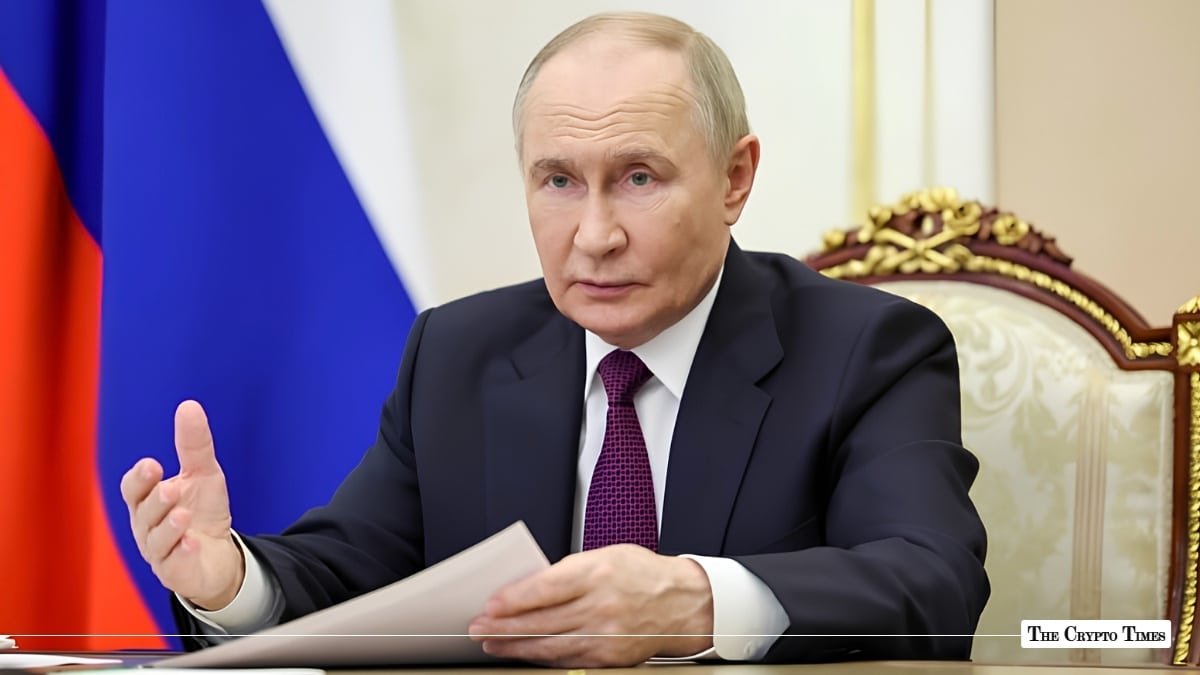
Following its passage in the lower house, the bill now proceeds to the Federation Council, Russia’s upper chamber, for approval. Once cleared there, it will reach President Vladimir Putin’s desk for final signature. Implementation of core provisions is anticipated around September 1, 2026, giving regulators time to finalize supporting rules.
The development has drawn attention from the global crypto community. Bitcoin historian and commentator Pete Rizzo highlighted the news on X, stating that Russia’s actions demonstrate accelerating worldwide adoption.
He urged the United States to pass the Clarity Act promptly, warning that America risks falling behind in the regulatory race. “We need to pass the Clarity Act now. We are falling behind in the world. It can’t wait any longer,” Rizzo posted alongside footage of Russian officials.
Legal Recognition of Cryptocurrencies as Property
The core innovation of the new law lies in explicitly classifying digital assets like Bitcoin and Ethereum as property under Russian civil law. This change resolves long-standing ambiguities that previously left crypto holders vulnerable in legal proceedings. Assets can now be included in estate divisions during divorce, factored into bankruptcy asset pools, or defended in civil and criminal court cases with the same standing as traditional property.
This recognition builds directly on the bill’s first reading in April 2026, when lawmakers first outlined the property status while emphasizing separation from the state-backed digital ruble. Subsequent refinements addressed practical concerns raised during committee deliberations.
A notable July 8 update by the State Duma’s Financial Markets Committee removed a controversial requirement for users to disclose specific cryptocurrency wallet addresses. Instead, holders will only need to report aggregate balances and transaction volumes when required by regulators or tax authorities.
The revised framework also guarantees judicial protection for cryptocurrency ownership even if the assets were not previously declared to authorities. Lawmakers cited guidance from Russia’s Constitutional Court in adding this safeguard, aiming to reduce disputes and encourage voluntary compliance. These adjustments reflect a pragmatic evolution in Russia’s approach: balancing oversight with protections that encourage legitimate participation without fully liberalizing domestic use.
Regulatory Oversight, Investor Safeguards, and Market Infrastructure
The bill creates a comprehensive licensing regime for all major crypto service providers. Exchanges, brokers, custodians, and digital asset depositories must obtain authorization from the Bank of Russia and comply with strict operational standards, capital requirements, and ongoing supervision. This centralized oversight mirrors the model already applied to traditional financial institutions and is intended to curb fraud, money laundering, and unauthorized operations.
Retail investor protections form a key pillar of the legislation. Non-qualified individuals face an annual purchase cap of roughly 300,000 rubles per regulated intermediary and must pass a suitability test demonstrating basic understanding of risks. Qualified or professional investors face no such quantitative limits and can access a broader range of assets, excluding certain privacy-focused coins. Both categories will encounter mandatory risk warnings and disclosure requirements.
Major Russian financial institutions are already positioning themselves for the new environment. The country’s largest bank, Sberbank also announced plans to launch a crypto wallet and complete a digital asset depository by December 1, 2026. The bank expects to begin offering services within months of the law’s September 1 effective date.
Other major players, including VTB, T-Bank Group, and the Moscow Exchange (MOEX), are similarly preparing custody, trading, and intermediary services. These developments are expected to channel previously unregulated activity into licensed platforms, improving transparency and tax reporting.
Parallel to the crypto framework, Russia is advancing its central bank digital currency (CBDC). The digital ruble is scheduled for widespread commercial rollout on September 1, 2026, with systemically important banks and large retailers required to integrate support. Officials have stressed that the digital ruble and private cryptocurrencies will remain distinct: the former serves as legal tender for domestic use, while the latter gains property status but stays barred from everyday payments inside Russia.
Cross-Border Utility, Sanctions Resilience, and Global Context
A standout feature of the legislation is the explicit permission for Russian companies and entrepreneurs to use cryptocurrencies in foreign economic activity. This carve-out directly addresses challenges created by Western sanctions that have limited access to SWIFT and traditional correspondent banking. By allowing licensed platforms to facilitate cross-border settlements in digital assets, the law provides a compliant channel for trade with friendly nations while maintaining the ruble’s monopoly domestically.
This pragmatic balance aligns with Russia’s broader strategy of leveraging blockchain technology for economic resilience without compromising monetary sovereignty. Analysts note that the framework could boost legitimate crypto activity among businesses engaged in imports, exports, and international payments, potentially reducing reliance on informal or high-risk channels.
The bill’s passage has resonated internationally. Commentators such as Pete Rizzo have framed it as evidence of accelerating global regulatory momentum, contrasting Russia’s progress with delays in other jurisdictions. Rizzo’s call for swift U.S. action on the Clarity Act underscores concerns that fragmented or slow-moving regulation elsewhere could cede competitive ground in digital asset innovation.
Looking ahead, the law is expected to stimulate licensed crypto infrastructure while imposing stricter penalties for unlicensed operations. Implementation from September 2026 onward will require the Bank of Russia to issue detailed rules on licensing, reporting, and enforcement.
Also read: $3.3 Trillion Capital Group Deepens Bitcoin Exposure with Major Stake in Metaplanet