Key Highlights
- Senator Cynthia Lummis said the CLARITY Act would require qualified custodians and segregated customer funds.
- Lummis linked the proposed protections to past crypto exchange failures and customer losses.
- The senator has previously argued that stronger custody rules could have reduced the risks that led to the FTX collapse.
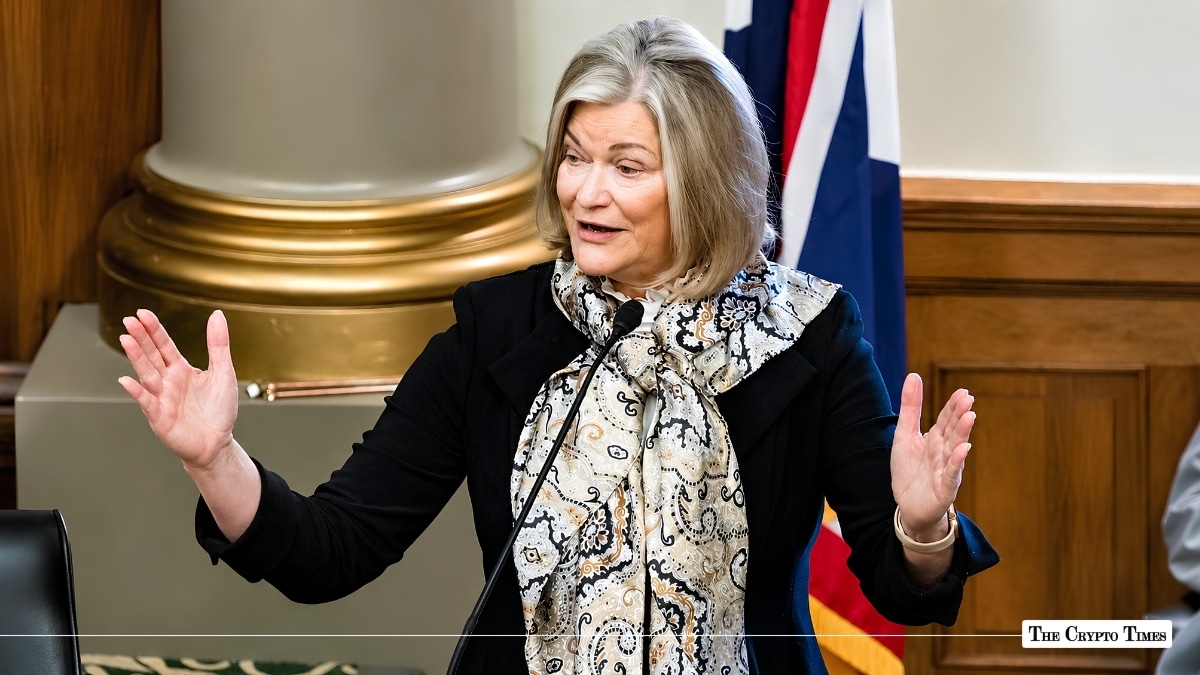
Senator Cynthia Lummis (R-Wyo.) is emphasizing customer-asset protections as the Senate continues work on the CLARITY Act.
In a September 5 post on X, Lummis said the bill would require qualified custodians and segregated customer funds, linking the measures to failures at crypto exchanges.
Her comments come as lawmakers prepare for a planned September 15 procedural vote on the legislation.
Lummis has argued custody rules since FTX
Lummis has made a similar argument since FTX’s collapse in 2022.
At the time, she pointed to Wyoming rules that restrict banks and exchanges from relending customer digital assets. She argued that stronger custody and asset-segregation requirements could have prevented the FTX failure.
In a letter to banking regulators, Lummis said Wyoming’s framework provided a model for keeping customer assets separate from a financial institution’s own funds.
Her latest comments extend that position to the CLARITY Act, which would establish a federal framework for digital asset markets and divide regulatory responsibilities between the Securities and Exchange Commission (SEC) and the Commodity Futures Trading Commission (CFTC).
The legislation has not become law and remains subject to changes during the Senate process.
For now, customer custody has emerged as one of the issues being emphasized by Lummis, while the broader bill remains subject to changes before the upcoming September vote.
Crypto industry leaders weigh in ahead of Senate Vote
The CLARITY Act is also drawing renewed support from crypto industry executives as the Senate approaches its September 15 procedural vote.
Ripple CEO Brad Garlinghouse said on September 3 that the United States remains within reach of becoming the world’s crypto capital, adding that lawmakers should “finish the job.”
His comments came after a White House meeting involving crypto and financial industry executives and as Congress works on digital-asset market-structure legislation.
Garlinghouse’s comments reflect the crypto industry’s broader push for federal rules governing digital assets. They do not indicate that the CLARITY Act has secured enough votes to advance, with lawmakers still negotiating several provisions.
Sheriffs’ Association moves to neutral
Another development came from the National Sheriffs’ Association (NSA).
On September 3, the group changed its position on the CLARITY Act from opposition to neutral, citing the complexity of the legislation and the number of issues still under consideration.
The association had previously raised concerns about law-enforcement implications of the bill, including provisions affecting decentralized finance and anti-money-laundering requirements. Its new position does not amount to an endorsement.
The change comes as lawmakers work toward the September procedural vote.
What the September 15 vote will decide
The September 15, 2026 vote is on cloture on the motion to proceed, not final passage. Clearing it opens the bill for debate and amendments. Failing it ends Senate considerations under the current motion.
House Financial Services Chairman French Hill said on September 3 that the bill could advance at the vote, pointing to the 78 Democrats who backed it when the House passed the measure. SEC Chair Paul Atkins said the same week that he expects the Senate to advance the legislation and that the agency’s proposed crypto rules are designed to align with it.
The calendar narrows after that as House leadership will not keep the chamber in Washington for the final two weeks of September, with members expected to leave on September 17.
Also Read: Can the Senate Pass the CLARITY Act on September 15? Here’s the Vote Math