Key Highlights
- Bitcoin has fallen after eight of the last nine FOMC meetings, averaging an ~11% drop the following week.
- Every 2026 hold — January, March, April — triggered a sell-the-news decline regardless of the Fed’s language.
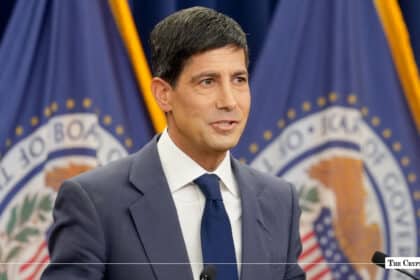
- Kevin Warsh chairs his first meeting June 16–17 with a hold 97%+ priced in, leaving his tone the only real variable.
Bitcoin trades near $66,000 ahead of the June 17 Fed decision, and its recent record gives bulls little comfort: across the last nine FOMC meetings, the cryptocurrency has sold off after eight, regardless of whether the Fed held, cut, or signaled.
The Scorecard: One Rally in Nine Meetings
Stretching back to May 2025, Bitcoin has posted a post-FOMC decline in the week following eight of the last nine policy meetings. The single exception was May 2025, when BTC rose about 6.1%, from $97,032 to $102,970. Every meeting since has leaned the other way.
| Meeting | Decision | BTC reaction |
|---|---|---|
| May 6–7, 2025 | Hold | +6.1% (only rally) |
| Jun 17–18, 2025 | Hold | Lower |
| Jul 29–30, 2025 | Hold | −3.8% ($117,831 → $113,320) |
| Sep 16–17, 2025 | Cut → 4.00–4.25% | Spiked, then sold off |
| Oct 28–29, 2025 | Cut → 3.75–4.00% | ~$116K → $109K |
| Dec 9–10, 2025 | Cut → 3.50–3.75% | −1.9% ($92,020 → $90,270) |
| Jan 27–28, 2026 | Hold | −5.7% ($89,184 → $84,128) |
| Mar 17–18, 2026 | Hold | −1% ($71,256 → $70,553) |
| Apr 28–29, 2026 | Hold | ~$77K → ~$74,900 |
The most telling rows are the rate cuts. The Fed’s first cut since December 2024 came on September 17, 2025, dropping the range to 4.00%–4.25%, yet the relief was fleeting. At the October cut to 3.75%–4.00%, Bitcoin fell from near $116,000 toward $109,000 as Powell warned a December cut was “not a foregone conclusion.” Easing, in other words, did not save the tape.
Why the Hold Itself Stopped Mattering
The mechanism is positioning, not policy. Traders front-run the decision, the outcome gets fully priced through CME FedWatch, and the announcement becomes a profit-taking and liquidation window rather than a catalyst. Funding rates and open interest ran hot before several 2025 meetings, leaving an over-leveraged market exposed once the news passed.
That dynamic held through three 2026 holds: in March, the Fed held exactly as expected and the dot plot stayed at one cut for 2026, yet Bitcoin still sold off within hours of Powell’s press conference. The decision is rarely the trade; the language is.
The backdrop magnified it. Bitcoin peaked near $126,000 on October 6, 2025, then fell more than 30% into year-end — meaning the Fed’s entire easing sequence coincided with, rather than arrested, a deep drawdown that left BTC trading roughly 50% below that high by mid-2026.
The Variable That Changed in June: A New Chair and an Energy War
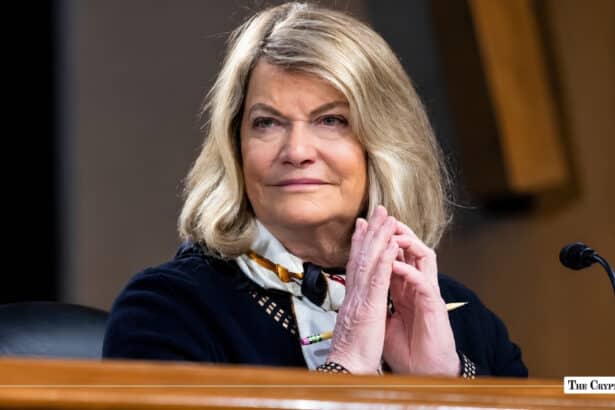
This is the first FOMC of 2026 that breaks the template, because the chair has changed. Warsh won the closest Fed-chair confirmation in the modern era, 54–45, and has signaled a different approach from Powell — closer to Greenspan — and has not committed to a press conference after every meeting.
Warsh is one of the most crypto-literate chair to date but a monetary hawk, inheriting a central bank where inflation re-accelerated to 4.2% in May on an energy spike tied to the war in Iran. Warsh’s pro-crypto leanings are detailed in TCT’s roadmap on the leadership change, and the transition risk in its Fed Chair Curse analysis.
What Could Break the Pattern
For once, the run-in is constructive. Bitcoin has recovered from a $59,130 early-June low toward $66,000–$67,200, helped by the US–Iran conflict moving toward a June 19 resolution, easing oil, and $85.8M in ETF inflows on June 13, alongside Strategy adding 1,587 BTC and whales pulling more than 11,000 BTC off exchanges.
With a hold treated as a near-certain no-change decision, the swing factor is the dot plot and Warsh’s tone. A dovish shift toward 2026 cuts could lift BTC toward $66K–$70K; a hawkish dot plot signaling hikes could push it back to $58K–$60K support.
On nine meetings of evidence, the base case is that a clean hold gives the market little to buy. The bull case rests on Warsh sounding softer than the data warrants — and on a relief rally that, this time, has real catalysts behind it.
Also Read: Kevin Warsh’s First FOMC Meeting Has 99.6% Odds of No Rate Change