Hong Kong plans to establish a licensing system covering virtual asset trading, custody, advisory, and management services as part of its broader financial-sector development strategy for 2026-2030.
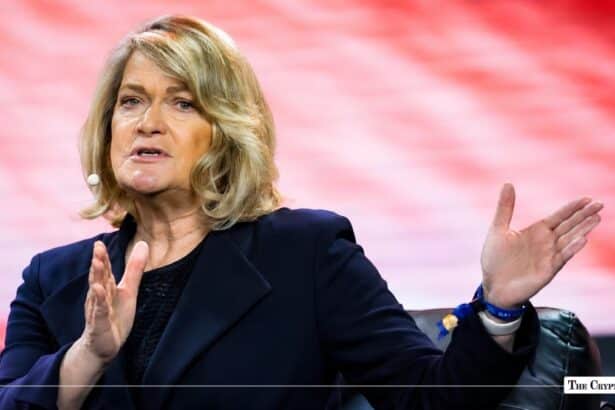
Christopher Hui, Hong Kong’s secretary for financial services and the treasury, said on October 5 that the government plans to submit a draft amendment bill this year to establish the licensing system.
The announcement was made as Hui outlined financial-sector measures linked to Hong Kong’s First Five-Year Plan for Economic and Social Development and the 2026 Policy Address. The government said the strategy is intended to strengthen Hong Kong’s position as an international financial center while developing new growth areas.
Hong Kong Sets Out Financial Strategy
Hui said the First Five-Year Plan and the 2026 Policy Address reflected two major strategic shifts in Hong Kong’s financial development.
“The first is a shift from ‘scale pursuit’ to ‘functional enhancement,’ namely, enhancing the core functions of financial services to the real economy and improving price discovery,” Hui said.
“The second transformation is from a ‘financial city’ to a ‘financially empowered city,’ that is, through ‘finance+’, using finance to promote development in areas including technology, green initiatives, and people’s livelihoods.”
The government said these changes would be pursued through three broad directions: strengthening Hong Kong’s position as an international financial center, developing new growth points and expanding the role of finance in areas such as technology and sustainable development.
Virtual Assets in Growth Plan
On virtual assets, Hui said the government would “submit a draft amendment to the Ordinance this year” to establish a licensing system for virtual asset trading, custody, advice and management services.
The government has not yet disclosed detailed licensing requirements, including specific application criteria or the number of businesses expected to fall under the framework.
The move follows Hong Kong’s broader expansion of crypto regulatory oversight. On September 28, the Securities and Futures Commission (SFC) and Accounting and Financial Reporting Council (AFRC) signed a new memorandum of understanding covering financial reporting and audit work for licensed virtual asset service providers and related entities.
Hui also said authorities were working with the Hong Kong Monetary Authority to study ways to optimize the legal framework. The government said it is also working with the technology and telecommunications sectors to strengthen the detection and removal of fraudulent content, including the abuse of AI-generated material.
The virtual-asset initiative is part of a wider financial strategy covering offshore renminbi markets, equities, asset and wealth management, and commodity trading.
Expanding Offshore Renminbi Strategy
Hong Kong also plans to strengthen its role as a global offshore renminbi business hub.
The Hong Kong Monetary Authority is discussing the optimization of currency swap arrangements with the People’s Bank of China. The government said it will introduce a seven-day offshore renminbi liquidity bidding mechanism and study the issuance of offshore renminbi short-term debt instruments to improve the offshore renminbi interest-rate curve.
The Hong Kong Stock Exchange will launch an “Offshore RMB Bond Index” as a market reference and benchmark for exchange-traded funds. The government also plans to issue more Dim Sum bonds and optimize their maturity structure where appropriate.
Gold and Commodity Markets
Hong Kong is also developing a broader commodity-trading ecosystem, with gold as a key focus.
The Hong Kong Gold Central Clearing and Settlement System is scheduled to launch in the first quarter of 2027. The Hong Kong Stock Exchange will also announce details of new renminbi-denominated and physically settled gold futures contracts this year.
The government said it is also reviewing opportunities for commodity trading and cooperation between exchanges as it seeks to expand Hong Kong’s role in global financial markets.
Hui said the government would “not be content with maintaining the status quo, but will proactively promote the development of new growth points.”
The proposed virtual-asset licensing system will now move toward the legislative process, with further details expected as the government advances the draft amendment.
Hong Kong’s latest policy direction places virtual-asset services alongside other emerging financial sectors as the city seeks to reinforce its role as an international financial center during the 2026-2030 planning period.
Also Read: Federal Judge Shields Kalshi & Coinbase From Illinois Gambling Laws