Key Highlights
- Senator Cynthia Lummis said Democrats had sought $150 million in additional FinCEN funding during negotiations over the CLARITY Act.
- Lummis said the funding was included in the latest version of the bill before the Senate rejected a procedural motion to advance it.
- FinCEN recently identified nearly $12.7 billion in suspected activity linked to digital-asset investment scams across 33,904 Bank Secrecy Act reports.
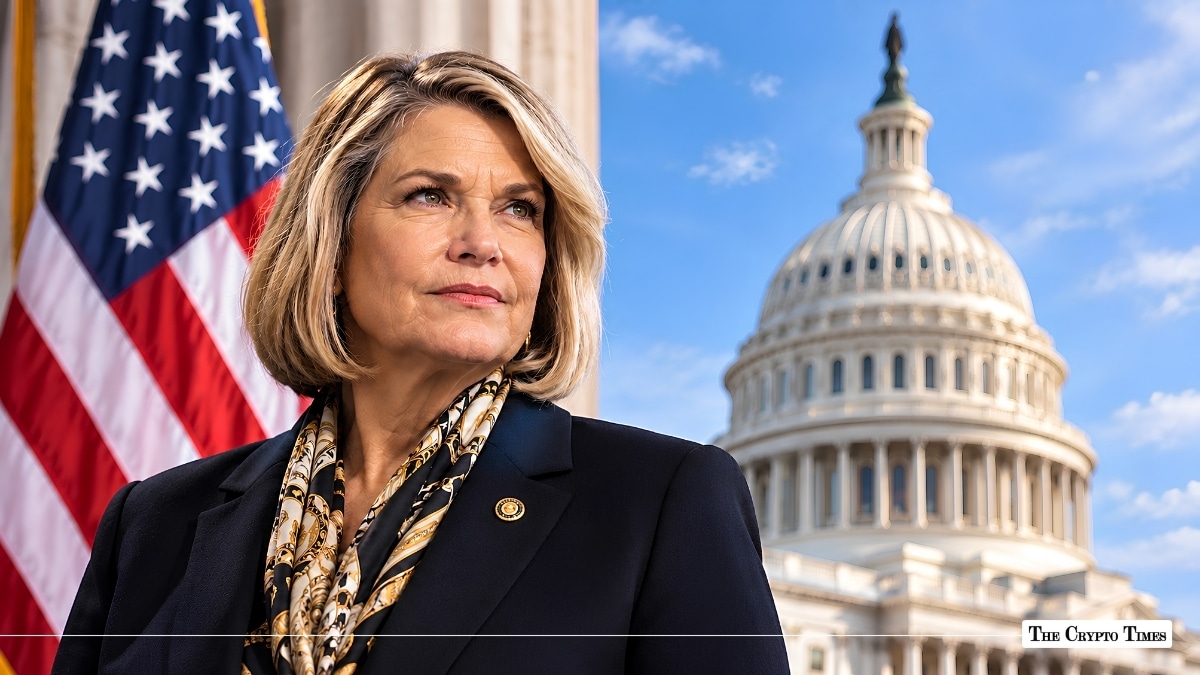
Senator Cynthia Lummis (R-Wyo.) said Democrats had sought additional funding for the Financial Crimes Enforcement Network (FinCEN) that was included in the latest version of the Digital Asset Market CLARITY Act.
In an October 3 post on X, Lummis pointed to the proposed $150 million allocation for FinCEN while criticizing Democratic senators who voted against advancing the legislation. Lummis said the funding was among the changes incorporated into the bill during negotiations with Democratic lawmakers.
Lummis points to FinCEN funding
The CLARITY Act includes provisions that would provide additional resources for FinCEN as part of its broader financial-crime measures.
Lummis has cited the provision as part of her argument that the legislation incorporates requests made during negotiations with Democrats.
The funding proposal comes as US authorities continue to report financial activity linked to digital-asset investment scams.
FinCEN said in September that it analyzed 33,904 Bank Secrecy Act reports involving suspected digital-asset investment scam activity filed between September 8, 2023, and December 31, 2025. The reports represented approximately $12.7 billion in financial activity tied to suspected scams.
The agency said the scams were largely connected to transnational criminal organizations operating overseas scam centers and using fake personas, fraudulent investment platforms, and social-engineering tactics.
FinCEN flags stablecoin transfers and shell companies
FinCEN’s analysis also described how suspected scam proceeds were moved through the financial system.
According to the agency, professional money launderers established financial accounts and shell companies and used networks of money mules to move funds.
FinCEN said stablecoin transfers were among the methods used to move suspected proceeds to digital-asset exchanges outside the US.
The agency issued an alert alongside its analysis, urging financial institutions to monitor indicators associated with overseas digital-asset investment scam centers.
CLARITY Act failed to advance in Senate
The Senate failed to advance the CLARITY Act in a September 15 procedural vote.
The motion to invoke cloture on the motion to proceed to H.R. 3633 received 49 votes in favor and 50 against, falling short of the votes required to advance the measure.
The legislation would establish a federal regulatory framework for digital assets and define regulatory responsibilities between the Securities and Exchange Commission and the Commodity Futures Trading Commission.
The bill also includes provisions addressing financial-crime enforcement and additional resources for FinCEN.
Lawmakers disagree over the Bill
Lummis has argued that Democrats opposed the legislation despite changes made during negotiations. On September 14, Lummis and Senators John Boozman and Tim Scott said the final draft reflected more than a year of negotiations and 126 substantive changes requested by Democrats.
However, Democratic lawmakers have raised other concerns about the legislation, including provisions involving ethics and crypto-related financial interests of public officials.
In an October 2 post, Lummis also raised customer-protection provisions, saying Democrats had sought customer disclosures related to crypto broker bankruptcies but then voted against the CLARITY Act.
She linked the proposed disclosures to protections that FTX customers lacked when the exchange collapsed.
In earlier comments on the bill, Lummis has pointed to customer-asset segregation and qualified-custodian requirements as measures intended to protect customer funds.
Democratic lawmakers have raised other concerns about the legislation, including provisions involving ethics and crypto-related financial interests of public officials.
Also Read: Federal Judge Shields Kalshi & Coinbase From Illinois Gambling Laws