Key Highlights
- Senator Cynthia Lummis said Democrats sought customer disclosures related to crypto broker bankruptcies while opposing the CLARITY Act.
- The Senate rejected cloture on the motion to proceed to H.R. 3633, the Digital Asset Market CLARITY Act, by a 49–50 vote on September 15, 2026.
- Lummis has repeatedly highlighted customer-asset segregation and qualified-custodian requirements as provisions she supports in the context of crypto market regulation.
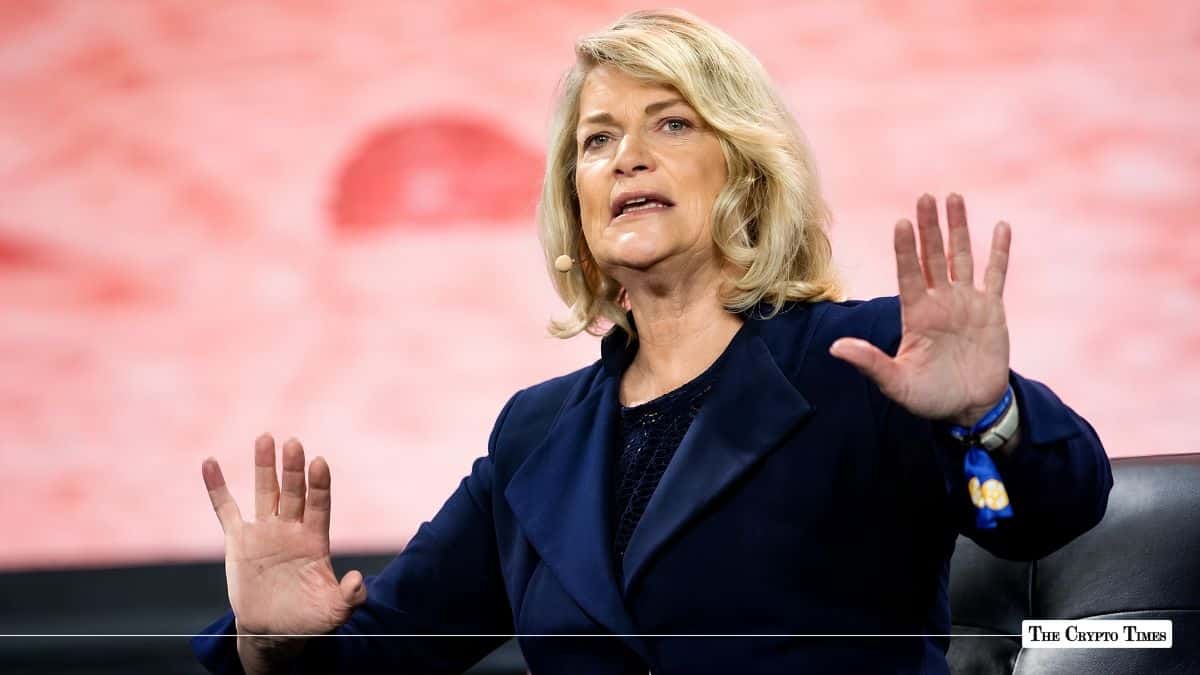
U.S. Senator Cynthia Lummis (R-Wyo.) stated on October 2 that Democrats demanded disclosures to protect crypto customers in a broker bankruptcy while voting against the CLARITY Act.
In a post on X, Lummis said the disclosures would have given customers the protection that FTX customers never had. She added that Democrats voted against those efforts to protect consumers from another FTX-style bankruptcy loss when they voted against the CLARITY Act.
Senate vote on the CLARITY Act
The Digital Asset Market CLARITY Act, also known as the CLARITY Act or H.R. 3633, failed to clear its first-floor test in the United States Senate on September 15. The chamber did not invoke cloture on the motion to proceed. More than 40 senators voted against the procedural motion, leaving the bill short of the 60-vote threshold needed to end debate and advance to full floor consideration.
The official floor record showed 49 yeas to 50 nays on the motion to invoke cloture. The result fell short of both the 60-vote cloture threshold and a simple majority. The vote followed weeks of negotiation and a series of last-minute drafting changes. The outcome halted comprehensive crypto market structure work in the Senate for 2026.
Earlier comments by Lummis
On September 16, Lummis criticized Senator Angela Alsobrooks (D-Md.) over her vote against advancing the CLARITY Act. In a post on X, Lummis said Republicans had accepted ethics restrictions concerning crypto investments and activities by President Donald Trump and other elected officials. The comments came after the Senate’s failed procedural vote, as lawmakers offered competing accounts of why negotiations over the final ethics language broke down.
On September 5, Lummis emphasized customer-asset protections in connection with the CLARITY Act. In a post on X, she said the bill would require qualified custodians and segregated customer funds. She linked the measures to failures at crypto exchanges. The comments came as lawmakers prepared for the planned September 15 procedural vote.
Lummis has made similar arguments since the collapse of FTX in 2022. At that time, she pointed to Wyoming rules that restrict banks and exchanges from relending customer digital assets. She argued that stronger custody and asset-segregation requirements could have prevented the FTX failure.
In a letter to banking regulators, Lummis said Wyoming’s framework provided a model for keeping customer assets separate from a financial institution’s own funds. Her later comments extended that position to the CLARITY Act. The legislation would establish a federal framework for digital asset markets and divide regulatory responsibilities between the Securities and Exchange Commission and the Commodity Futures Trading Commission.
Legislative context of CLARITY Act
The CLARITY Act sought to create market structure rules for digital assets. Negotiations included discussions on ethics language related to crypto holdings by elected officials. The September 15 procedural vote marked the end of efforts to advance the bill in the Senate during the 2026 session.
Lummis’s October 2 post referenced the customer protection provisions that had been under discussion. She stated that Democrats had sought disclosures for customers in broker bankruptcies yet voted against the CLARITY Act. The post connected those disclosures to the absence of similar protections for FTX customers.
All statements attributed to Lummis are drawn from her posts on X dated September 5, September 16, and October 2, along with the official Senate record of the September 15 cloture vote on H.R. 3633. The record of the vote stands at 49 in favor and 50 opposed.
Also Read: U.S. Sanctions Hamas Network Over $2M Crypto Funding