Key Highlights
- California lawmakers passed AB 2409 to stop public officials and employees from launching meme coins.
- If approved, crypto platforms would be restricted from listing certain official-linked meme coins for California residents from January 1, 2027.
- If approved, crypto platforms would be restricted from listing certain official-linked meme coins for California residents from January 1, 2027.
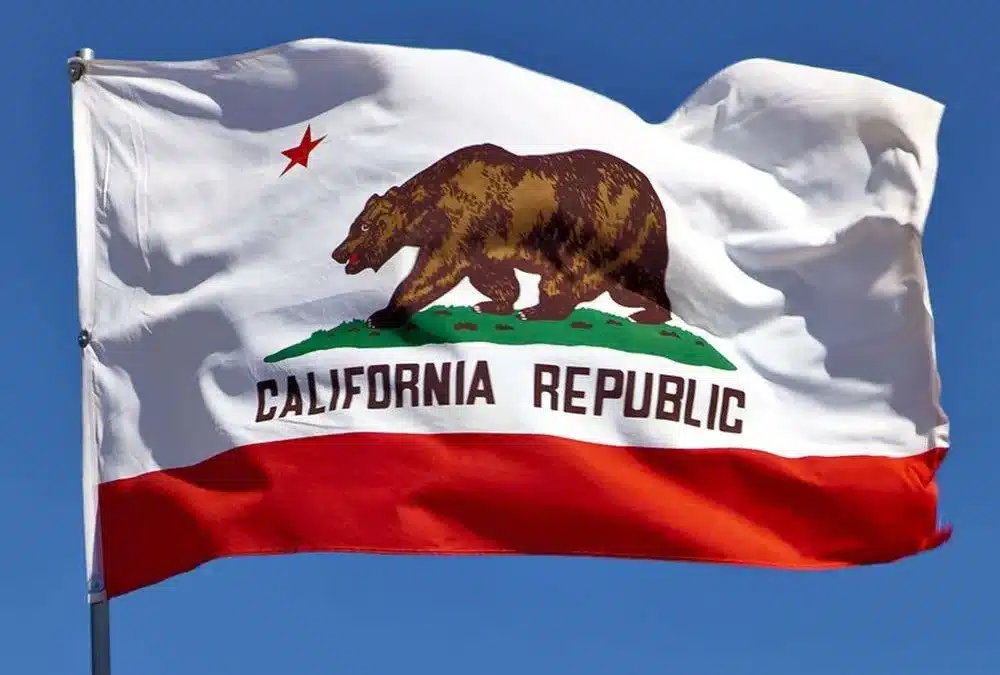
California lawmakers have passed passed Assembly Bill 2409, a measure that would stop public officials and certain public employees from issuing meme coins.
The bill, ntroduced by Assemblymember Avelino Valencia, has passed both chambers of the California Legislature and was sent for engrossing and enrolling after the Assembly concurred with Senate amendments on August 26. It now awaits the governor’s action.
If enacted, the measure would prohibit a public officer or public employee from issuing a meme coin. It would also prohibit a digital asset service provider from listing for sale, on behalf of or for purchase by a California resident, a meme coin issued on or after January 1, 2027, when that token is offered by or in partnership with a federal public official or a state or local public officer.
What AB 2409 Would Restrict
The bill defines meme coin as a digital asset that is marketed or recognized primarily through its association with internet memes, public figures, fictional characters, animal cultural phenomena, current events, shared humor, celebrities, noteworthy people or social trends, with value derived primarily from public interest, speculation or community engagement.
The legislation also defines a public officer broadly to include state or local elected or appointed officers, members of the Legislature, and members of governmental boards, commissions, committees or other bodies.
A public employee covered by the bill would be an employee of a state or local government entity who has decision-making authority over bids and contracts for that entity. The measure therefore goes beyond elected officials alone.
Under the latest version, a public officer or covered public employee could not issue a meme coin, while a digital asset service provider could not list a qualifying meme coin issued from January 1, 2027, if it is offered by or in partnership with a covered public official.
The restrictions would be enforceable through civil actions brought by the California attorney general, district attorneys, city attorneys or county counsel, with potential injunctive relief and disgorgement.
California Is Not Banning Meme Coins
AB 2409 would not prohibit meme coins generally. The bill is focused on meme coins connected to public officials and certain public employees. Ordinary meme coins that do not fall within the bill’s definition and restrictions would not be prohibited simply because they are meme coins.
The measure is instead aimed at the potential intersection between public office, official influence and private financial activity involving digital assets. Assemblymember Valencia previously described the legislation as an effort to prevent public officials from using public office for personal financial gain.
Why the Measure Matters for Crypto Platforms
The bill could also affect digital asset service providers serving California users. If enacted, qualifying service providers would be prohibited from listing meme coins issued on or after January 1, 2027, that are offered by or in partnership with federal public officials or state or local public officers.
That means the legislation would not simply regulate the person behind a token. It would also place a restriction on how certain tokens could be offered to California residents through covered digital-asset platforms.
The measure could therefore create compliance considerations for exchanges and other digital-asset businesses operating in the state.
The Federal Crypto Ethics Debate
California’s legislation comes as lawmakers in Washington continue to debate ethics rules for public officials involved in digital assets.
The issue has become one of the biggest problems holding up the Digital Asset Market CLARITY Act, a major U.S. crypto bill that aims to create clearer rules for digital assets.
This Act is expected to split crypto oversight between the Securities and Exchange Commission and the Commodity Futures Trading Commission. It also covers areas such as stablecoins and decentralized finance. The House passed the bill 294-134 in July 2025, while the Senate Banking Committee moved its version forward 15-9 in May 2026. The legislation has since faced delays in the full Senate because of disagreements over ethics rules.
Trump’s Crypto Ties Fuel the Debate
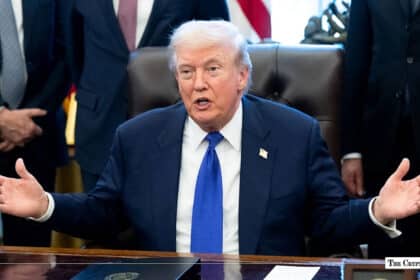
At the center of that ethics argument is concerns over President Donald Trump’s family crypto businesses, including World Liberty Financial and the $TRUMP meme coin. Critics like Senator Warren say lawmakers need stronger rules to stop public officials from making money from digital assets while also helping shape the rules that govern them.
The White House said on July 22 that it had accepted proposed ethics restrictions that would stop covered officials and their spouses from issuing or sponsoring digital assets. Republicans have defended the proposal as a strong ethics measure, while Democrats say it does not go far enough because it does not cover Trump’s adult children, who run World Liberty Financial.
Democratic senators have warned that the ethics rules must be strengthened before they will support the wider crypto bill. Senator Ruben Gallego said the issue was clear: “You’re not going to have the Democratic votes” without stronger ethics protections.
That debate gives California’s AB 2409 a wider meaning. While the California bill deals specifically with meme coins, it is built around the same basic concern: keeping public power and personal crypto profits from becoming too closely connected.
The bill now sits with the governor, with its next step depending on whether it is signed into law. If signed, the measure would establish one of the more direct state-level restrictions in the U.S. on meme coins connected to public officials, while leaving the broader meme-coin market outside its scope.
The Crypto Times will continue to track the governor’s decision and any subsequent regulatory or legal developments affecting digital asset platforms and public-official-linked tokens.
Also Read: Crypto Council Urges CFTC to Support U.S. Perpetual Contracts