Key Highlights
- Anthony Scaramucci urged lawmakers to support the CLARITY Act despite acknowledging it is not perfect.
- He argued both Republicans and Democrats made meaningful concessions during negotiations.
- Scaramucci said passing the bill would be far better than maintaining the current regulatory uncertainty.
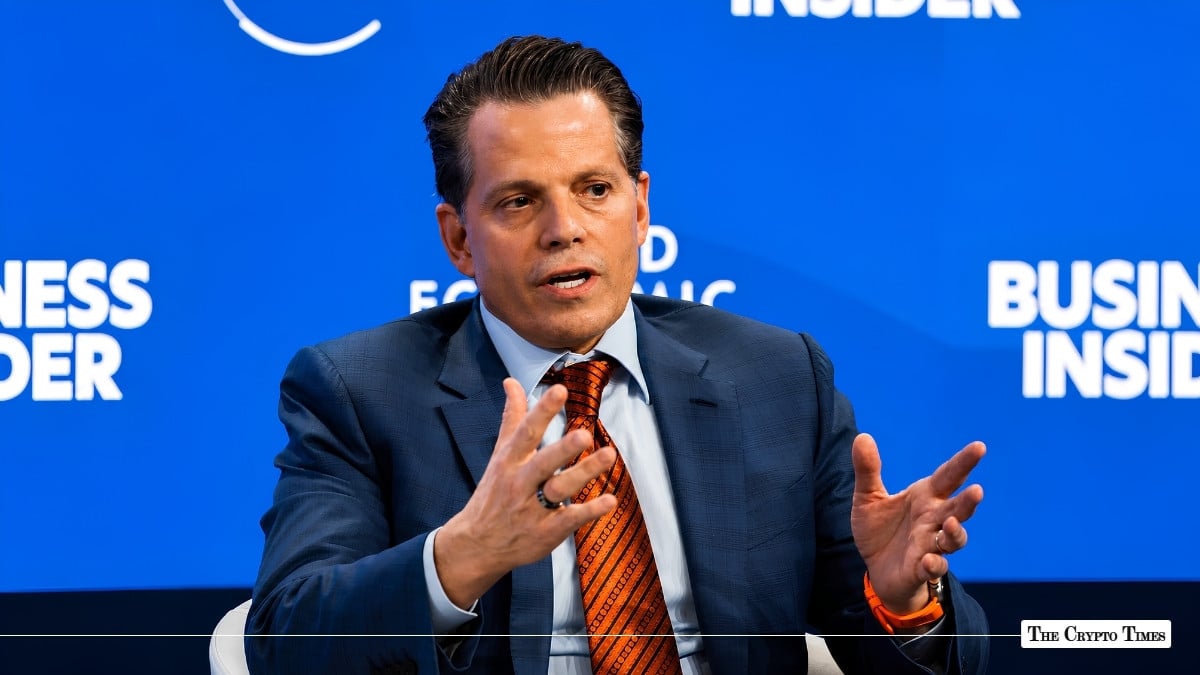
SkyBridge Capital founder and longtime Bitcoin advocate Anthony Scaramucci has urged lawmakers to support the Senate’s latest version of the CLARITY Act, arguing that continued demands for changes could prevent the legislation from passing.
In an X post on Sunday, Scaramucci criticized Washington’s approach to bipartisan negotiations, saying lawmakers often call for compromise but fail to support legislation once compromises are actually reached.
“Is it ten times better than the Wild West status quo? Obviously,” he wrote.
His comments come as the Senate continues to try to build enough bipartisan support for the crypto market-structure bill before lawmakers leave for the August recess.
Why Scaramucci wants lawmakers to move forward
While acknowledging the latest draft still has shortcomings, Scaramucci argued the legislation represents a meaningful improvement over the current regulatory environment. “Is CLARITY perfect? No.“Could the ethics language do more? Yes,” he wrote.
He added lawmakers should compare the bill with the existing regulatory framework rather than an ideal version that may never pass. Scaramucci also noted that the current draft reflects months of negotiations involving lawmakers from both parties.
He concluded with a direct appeal to lawmakers, “Bank the win.”
Support for the CLARITY Act keeps growing
Support for the legislation has become increasingly visible across the crypto industry.
Recently, Aave founder Stani Kulechov said he had spent the past year meeting with lawmakers and regulators in Washington, D.C., arguing that the CLARITY Act could unlock the next phase of decentralized finance growth in the United States.
Kulechov compared the legislation’s potential impact to the momentum created by the GENIUS Act, saying regulatory clarity would encourage greater institutional participation in blockchain-based financial markets.
Traditional finance has also joined the conversation.
Earlier this week, Goldman Sachs CEO David Solomon said the legislation would provide much-needed market structure for the digital asset industry while acknowledging that it remains imperfect. “The Clarity Act, like all legislation, is not perfect,” he said.
Solomon nevertheless argued that establishing a clearer federal framework would make it easier for regulated financial institutions to participate in digital asset markets.
The bill still faces an uphill battle
Scaramucci’s comments come as the CLARITY Act remains one of the most closely watched pieces of crypto legislation in Washington. Although the Senate recently released a revised draft, negotiations continue over ethics provisions and other disputed sections.
Recent reports suggest Republicans are still working to secure enough votes to advance the legislation, while several Democratic senators have said the current version requires additional changes before they can support it.
Earlier this week, Galaxy Digital’s Head of Research Alex Thorn lowered his estimate of the bill becoming law this year from 50% to 30%, arguing that the challenge is no longer drafting the legislation but securing enough votes before Congress runs out of legislative time.
Pressure builds ahead of August recess
Scaramucci’s remarks add to a growing number of public appeals from crypto executives, investors, and industry groups urging lawmakers to advance the CLARITY Act before Congress leaves Washington.
Supporters argue the legislation would establish a clearer regulatory framework for digital assets, while opponents continue pressing for stronger ethics rules, anti-money laundering safeguards, and consumer protections.
With the Senate’s legislative calendar narrowing, lawmakers have limited time to determine whether the bill advances or remains stalled despite months of bipartisan negotiations.