Key Highlights
- IREN shares dropped more than 5% to around $38.38 after giving up early session gains.
- The pullback followed a recent AI-driven rally fueled by $2.8 billion in cloud services contracts.
- Investors remain cautious over execution risks, capital needs, and the company’s exposure to crypto market volatility.
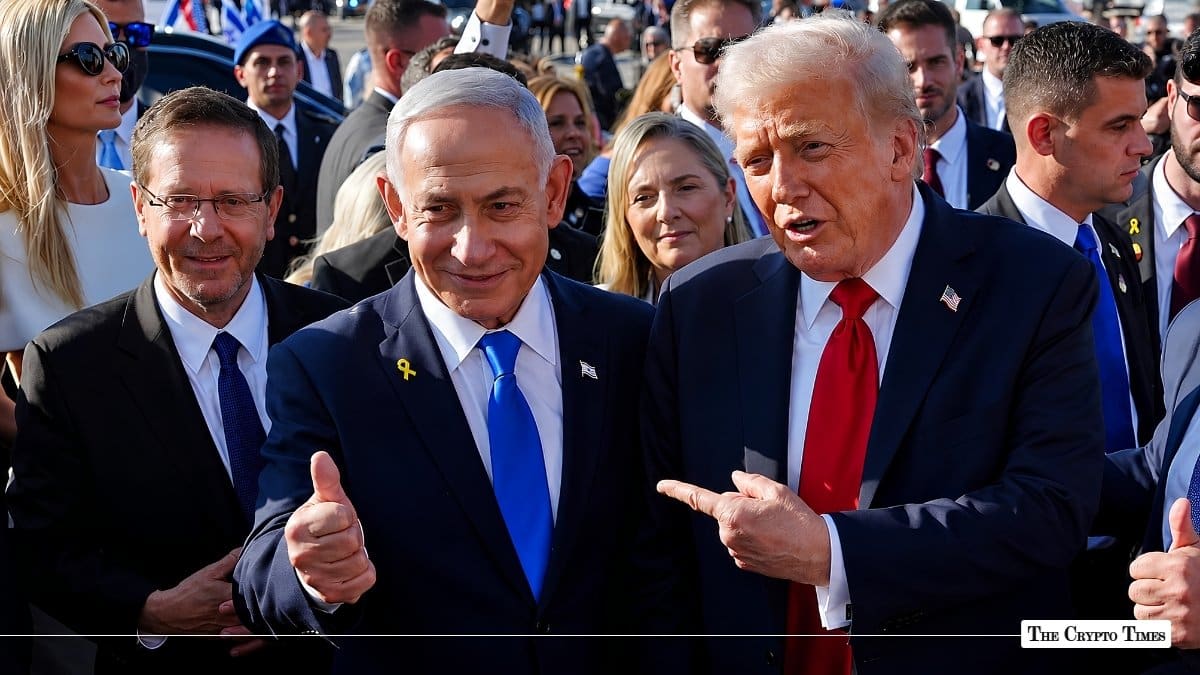
President Donald Trump is set to host Israeli Prime Minister Benjamin Netanyahu at the White House on Tuesday, which has created crypto volatility fears.
According to a statement from the Israeli prime minister’s office, the high-stakes meeting comes as Trump weighs resuming major combat operations against Iran, potentially including a joint U.S.-Israeli military campaign similar to Operation Epic Fury launched on February 28.
Market participants are closely watching the summit, with the cryptocurrency community bracing for heightened volatility. Geopolitical developments involving U.S. leadership and Middle East tensions have historically injected sharp swings into digital asset prices.
Past high-profile political meetings and escalations have triggered rapid shifts in risk sentiment, causing Bitcoin and the broader crypto market to experience sudden sell-offs or relief rallies depending on the tone and outcomes.
The best example to highlight the volatility fear is the 12-day Israel–Iran conflict of June 2025, Bitcoin experienced an initial sharp decline of nearly 4%. As military strikes began on June 13, 2025, the cryptocurrency dropped from around $107,000 to $103,000 in a single day amid rising geopolitical fears. The sell-off proved short-lived, however, as prices rebounded swiftly once the intensity of the hostilities began to ease.
Iran conflict continues to affect the crypto market
The crypto community witnesses volatility after any major event associated with the conflict. This month, on July 8, Bitcoin dipped below the key $62,000 level after sharp comments from President Trump regarding the U.S.-Iran agreement.
The flagship cryptocurrency fell roughly 2% amid elevated trading volumes as risk-off sentiment spread. Ethereum and major altcoins followed suit, reflecting broader caution across the market.
By July 9, fresh U.S. strikes on Iranian targets triggered another wave of uncertainty. While oil prices climbed and traditional equities posted mild losses, crypto showed mixed resilience. Bitcoin traded in a relatively narrow band around $62,500 with 24-hour volumes exceeding $26 billion.
However, the asset remained under pressure, fluctuating between roughly $61,500 and $63,000. Ethereum, Solana, and other altcoins mirrored this cautious stance, avoiding deep sell-offs but struggling to gain meaningful ground amid fears of disrupted oil shipments through the Strait of Hormuz and rising global energy costs.
On July 13, Bitcoin came under renewed pressure, declining 1.84% to around $62,790. The pullback was partly attributed to leveraged position liquidations rather than outright panic, yet it underscored how geopolitical headlines continue to weigh on sentiment.
These episodes highlight that while crypto has matured, it remains vulnerable to sudden spikes in global risk aversion tied to Iran-related conflicts.
Crypto participants advised to manage risks carefully
With Tuesday’s Trump-Netanyahu meeting, traders anticipate similar dynamics. Bitcoin, often viewed as a “digital gold” or risk asset depending on the macro backdrop, tends to react sharply in such environments. Ethereum, with its smart contract ecosystem, and other major tokens could face correlated moves as capital flows shift between safe havens and speculative plays.
Crypto participants are advised to manage risk carefully, with many tightening stop-losses and reducing leverage ahead of the event. The intersection of geopolitics and digital assets once again highlights how traditional global power plays can send ripples across blockchain markets.
Also Read: NAKA Stock Rebounds to $5.06 After Mid-July