Stablecoin issuer Circle believes South Korea can turn its delayed crypto legislation into an advantage by adopting a “second-mover” approach to digital asset regulation.
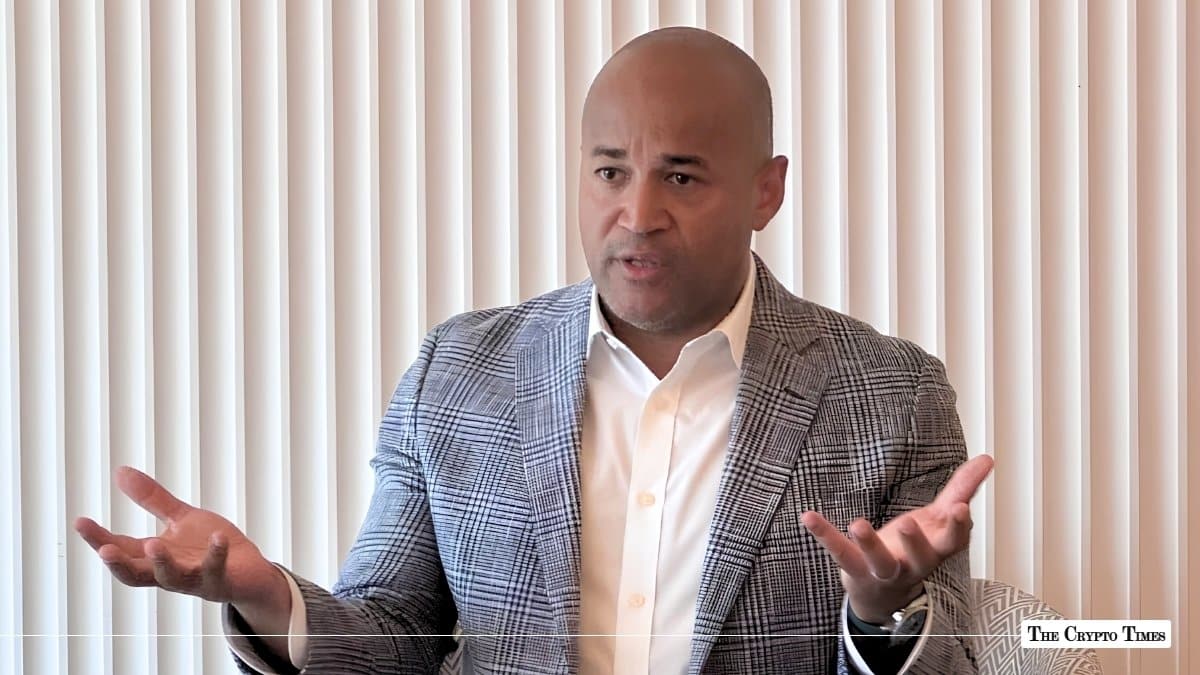
According to a local report, Circle Chief Strategy Officer Dante Disparte said Korea has an opportunity to study regulatory frameworks already introduced in major markets and develop rules that combine their strongest elements. “Korea can create better regulations by observing systems implemented first by other countries,” Disparte said, adding that the country could design a framework that balances innovation with oversight.
Circle’s strategic Korea expansion
The comments came a day after Circle signed memorandums of understanding (MOUs) with Kakao Group companies—Kakao, Kakao Pay, and Kakao Bank—as well as Toss and Toss Bank to cooperate on stablecoin technology.
According to Circle, stablecoins and fintech platforms can reinforce each other by creating greater demand for digital payments and financial services. Disparte said digital currencies require modern financial infrastructure rather than being layered onto outdated payment systems.
“You cannot simply place new money on top of old infrastructure,” he said, arguing that innovation in digital finance depends on close integration with payment networks.
Lessons from the U.S. and Europe
Disparte pointed to the United States, the European Union, and the United Kingdom as examples of jurisdictions that have already moved forward with crypto regulation.
Last year, the U.S. introduced the GENIUS Act to regulate payment stablecoins, while the European Union’s Markets in Crypto-Assets (MiCA) framework has already established a comprehensive licensing regime for crypto firms.
The United Kingdom has also advanced its crypto regulations this year. The country’s Financial Conduct Authority (FCA) has finalized new rules for digital assets, aiming to protect consumers while supporting innovation. The framework is scheduled to take effect on October 25, 2027.
Rather than copying a single model, Disparte said South Korea could combine the strengths of both the U.S. and European approaches while tailoring regulations to its domestic financial system.
He also said stronger cooperation between South Korea and the United States on digital finance could emerge as stablecoin regulation develops.
Stablecoin infrastructure cannot wait
While acknowledging that legislation often takes time, Disparte argued that technology adoption should continue.
He said the emergence of an “agentic economy,” where AI agents can execute payments using stablecoins, makes digital payment infrastructure increasingly important. According to Disparte, delaying technology development could leave countries at a disadvantage even if regulations arrive later.
“If rules harmonizing with international standards, such as the GENIUS Act, are introduced, Korea could become a model for Asia,” he said.
Why it matters
Circle’s latest comments come as stablecoin regulation gains momentum worldwide. Governments in the U.S., Europe, Hong Kong, Japan and other Asian markets are introducing new rules aimed at bringing stablecoins into the regulated financial system.
For South Korea, where legislation remains under discussion, Circle’s partnerships with Kakao and Toss suggest that global stablecoin issuers are already positioning themselves for the next phase of the country’s digital finance market.
If regulations move forward, the agreements could help accelerate the adoption of compliant stablecoin payments across the country’s fintech ecosystem.
Also Read: South Korea Targets September for Won Stablecoin Bill, Vows Fortnightly Reviews