Key Highlights
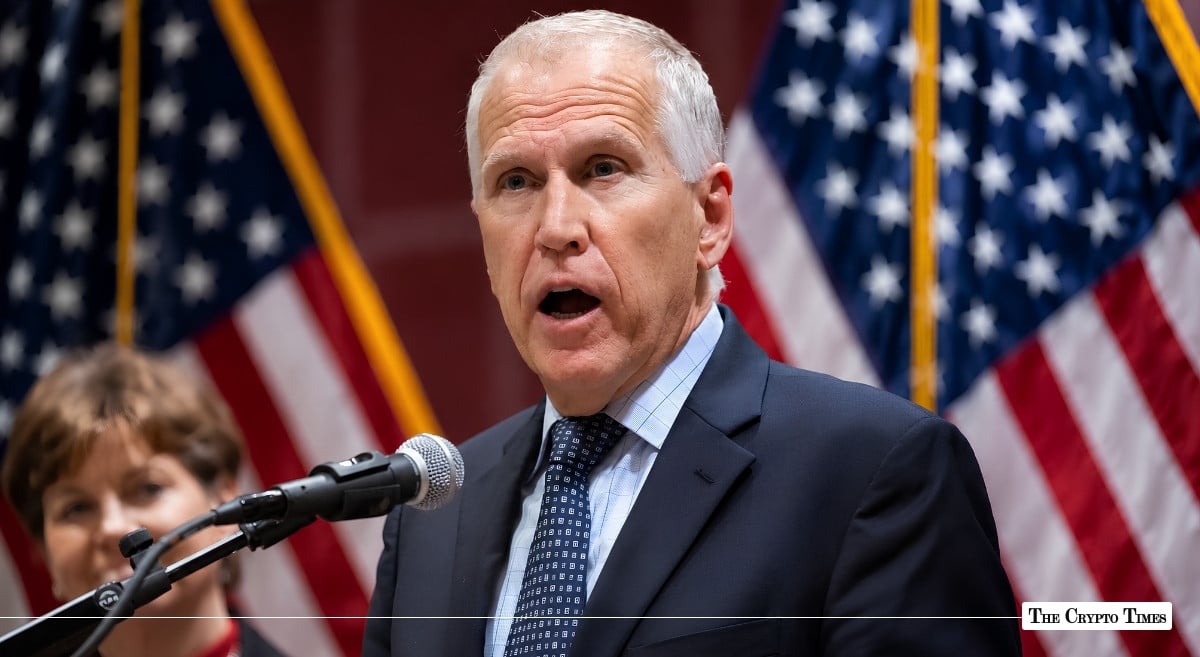
- Sen. Thom Tillis proposed a potential “circuit breaker” for stablecoin yield.
- The mechanism would allow the FDIC and OCC to step in if stablecoins begin pulling deposits from banks.
- The idea comes after months of negotiations over Section 404 of the CLARITY Act.
As Senate negotiators work to finalize the CLARITY Act, Senator Thom Tillis (R-N.C.) has proposed a new safeguard aimed at addressing one of the banking industry’s key concerns, deposit migration caused by yield-bearing stablecoins.
According to a Punchbowl News report, Tillis suggested adding “circuit-breaker” language that would allow regulators such as the Federal Deposit Insurance Corporation (FDIC) and the Office of the Comptroller of the Currency (OCC) to intervene if stablecoin adoption begins pulling significant deposits away from traditional banks.
“If you’re against it on yield, because you think it’s going to cause deposit migration, what if we come up with language that the FDIC, the OCC can have, as circuit-breaker language?” Tillis said.
Tillis emphasized that the proposal remains an early concept, describing it as “thoughtware” rather than finalized legislative language. He also encouraged banking groups to discuss the idea with Senate staff as negotiations continue.
The stablecoin yield debate continues
In May, Tillis and Senator Angela Alsobrooks (D-Md.) defended a bipartisan compromise on stablecoin yield after several major banking organizations argued it did not go far enough to protect traditional deposits.
At the time, five leading banking trade groups criticized the agreement, warning that stablecoin rewards could function as deposit substitutes and weaken the traditional banking system. Despite that criticism, both senators argued the compromise struck the right balance between encouraging innovation and preserving financial stability.
Banks keep pushing for changes
Banking groups have continued pushing for further changes. A day ago, a coalition of 78 banking trade associations, led by the American Bankers Association (ABA) and the Independent Community Bankers of America (ICBA), urged Senate leaders to revise Section 404 before the legislation reaches the floor.
The organizations warned that the current language could allow stablecoin issuers to structure rewards that effectively function as high-yield bank accounts, encouraging consumers to move funds out of regulated financial institutions.
According to the coalition, large-scale deposit migration could reduce lending capacity for mortgages, small businesses, agriculture, and local communities while increasing broader financial stability risks.
Tillis’ proposed “circuit breaker” appears intended to address those concerns without rewriting the bill’s stablecoin framework.
Tillis questions the opposition
The North Carolina senator also suggested that if banking groups reject the legislation even after receiving additional regulatory safeguards, their opposition may extend beyond deposit migration concerns.
“When you start talking about circuit-breaker language that could eliminate the one thing that the banks have said is their concern, and they still don’t support it, then it suggests to me that that was a red herring,” Tillis said.
His remarks reflect growing frustration among some lawmakers who believe the Senate has already spent months negotiating compromises with both the banking industry and crypto stakeholders.
CLARITY Act approaches critical phase
The debate comes as Senate negotiators enter what could be the final stage of drafting the CLARITY Act.
Earlier today, Senator Cynthia Lummis said lawmakers expect to introduce the merged bill text within days after nearly ten months of negotiations. She reiterated that passing the legislation before Congress begins its August recess remains the goal, calling the upcoming weeks critical for establishing a federal regulatory framework for digital assets.
While significant progress has been made, stablecoin yield rules, banking safeguards, and consumer protections remain among the final issues lawmakers are attempting to resolve before the legislation reaches the Senate floor.
As negotiations continue behind closed doors, Tillis’ latest proposal signals that lawmakers are still searching for common ground between the crypto industry and the traditional banking sector before the CLARITY Act enters its final legislative push.
Also Read: CLARITY Act: 5 Fights Still Unresolved Before the Merged Draft Drops