Key Highlights
- Fed Chair Kevin Warsh pledged reforms to promote regulatory neutrality and fair banking access.
- He confirmed reputational risk has been removed from the Fed’s supervisory framework.
- Warsh criticized politically influenced supervision and backed a more competitive financial system.
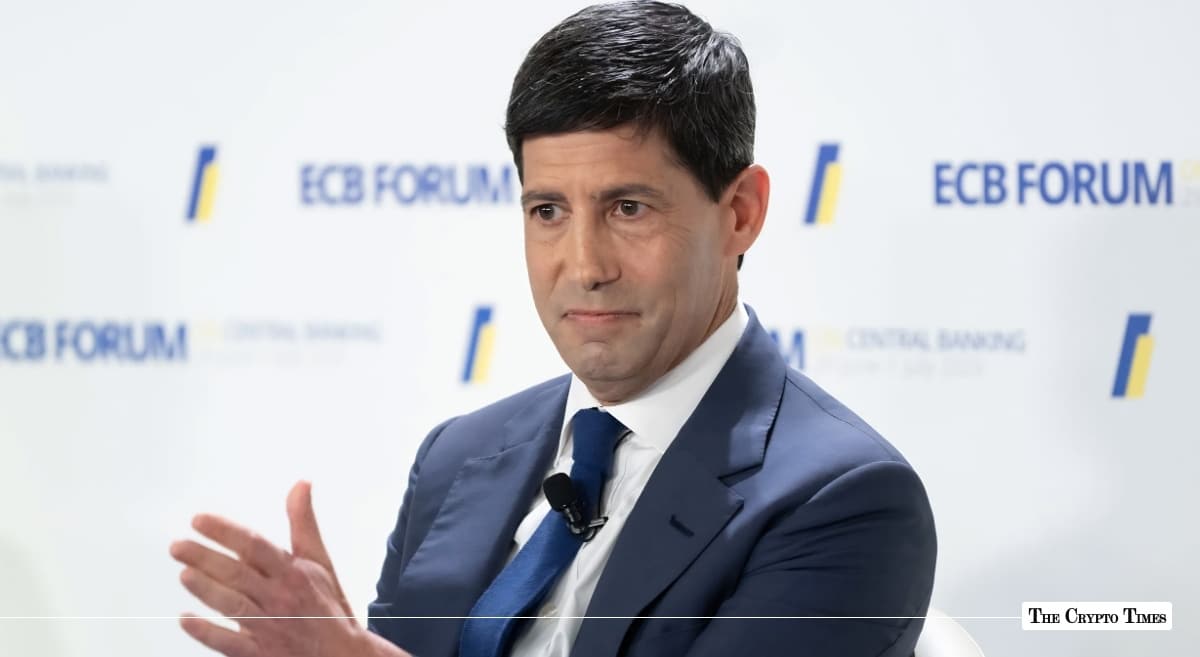
Federal Reserve Chair Kevin Warsh faced pointed questions from Rep. Barry Loudermilk (R-GA) today on the central bank’s past role in targeting the digital asset industry through controversial supervisory practices.
During a House Financial Services Committee hearing on the Federal Reserve’s Semi-Annual Monetary Policy Report on Tuesday, since replacing Jerome Powell in May, Warsh committed to sweeping reforms aimed at eliminating political influence in banking supervision.
Operation Choke Point 2.0 under fire
Rep. Loudermilk directly confronted Warsh about Operation Choke Point 2.0, a program allegedly driven by partisan actors at the Federal Reserve. The initiative reportedly used “reputation risk” as a tool to pressure banks into severing relationships with firms and individuals in the digital asset ecosystem, the energy sector, and other disfavored industries.
“Operation Choke Point 2.0 involved partisan actors at the Fed using reputation risk as a means to target and debank firms… in the digital asset ecosystem,” Loudermilk stated. He emphasized that the Fed lacks statutory authority from Congress to supervise institutions based on reputation risk, calling the practice “especially egregious.”
Warsh responded decisively, confirming that reputational risk has been entirely removed from the supervisory dashboard used by examiners. “Reputational risk has been removed from the dashboard that supervisors and regulators will have anything to do with,” he said. He described supervision as inherently challenging work that becomes even harder when politics are introduced.
Reforms for a competitive financial system
Warsh praised ongoing efforts led by Vice Chair Michelle Bowman and signaled that additional reforms are forthcoming. “In the coming quarters and years, we’re going to continue to reform and refine our regulatory system so that we can have a safer and sounder financial system, and I’ll add a more competitive one too,” he stated.
Warsh’s comments suggest a philosophical shift toward neutrality, aiming to prevent future attempts to achieve through regulation what cannot be passed through legislation.
Tackling monetary and fiscal dominance
The conversation then broadened to the Fed’s substantial holdings of federal debt and its implications for fiscal policy. Loudermilk noted that the Fed’s role as a ready buyer of Treasury securities, especially during periods of low interest rates, may have enabled Congress to run larger deficits.
Warsh acknowledged the tension between monetary and fiscal dominance. He stressed that the central bank should limit extraordinary interventions to genuine crises, such as 2008 and 2020, and avoid routine underwriting of fiscal decisions. “In more normal times… fiscal policy needs to be a decision that you make with the administration. The Fed should have nothing to do with it,” he said.
He announced the creation of a task force to review the Fed’s balance sheet, examining its impact on monetary policy, inflation, and potential sustainable regimes. Warsh noted the challenge of unwinding nearly two decades of expanded holdings in long-term Treasuries and mortgage-backed securities, promising any changes would be deliberate, transparent, and gradual.
On the broader question of monetary dominance, Warsh reinforced the importance of Fed independence on interest rates while committing to avoiding encroachment on fiscal matters. “We’re gonna try to stick in our lane at the Federal Reserve,” he affirmed, adding that the institution has been disciplined in this regard during his early tenure.
Observers to monitor the promises closely
Observers will closely watch the implementation of promised reforms over the coming quarters.
As the Fed navigates its balance sheet challenges and maintains focus on its core monetary mandate, the emphasis on neutrality could help restore confidence across sectors, particularly in emerging technologies like digital assets that stand to benefit from fairer access to banking services.
Also Read: Fed Faces GENIUS Act Deadline as Kevin Warsh Promises Rule Push