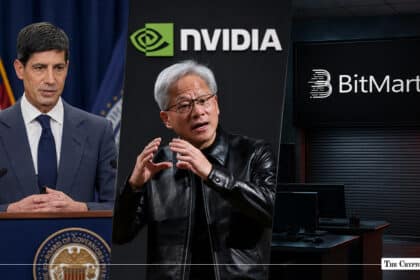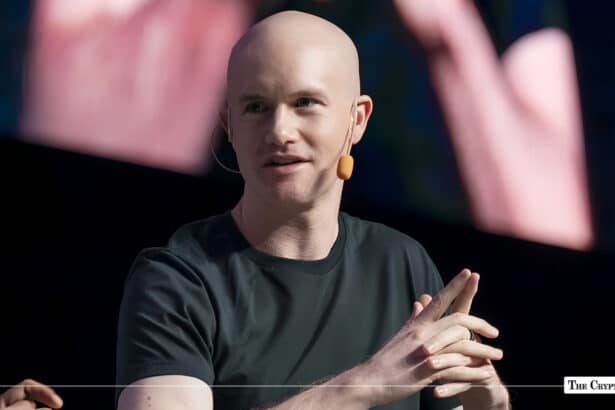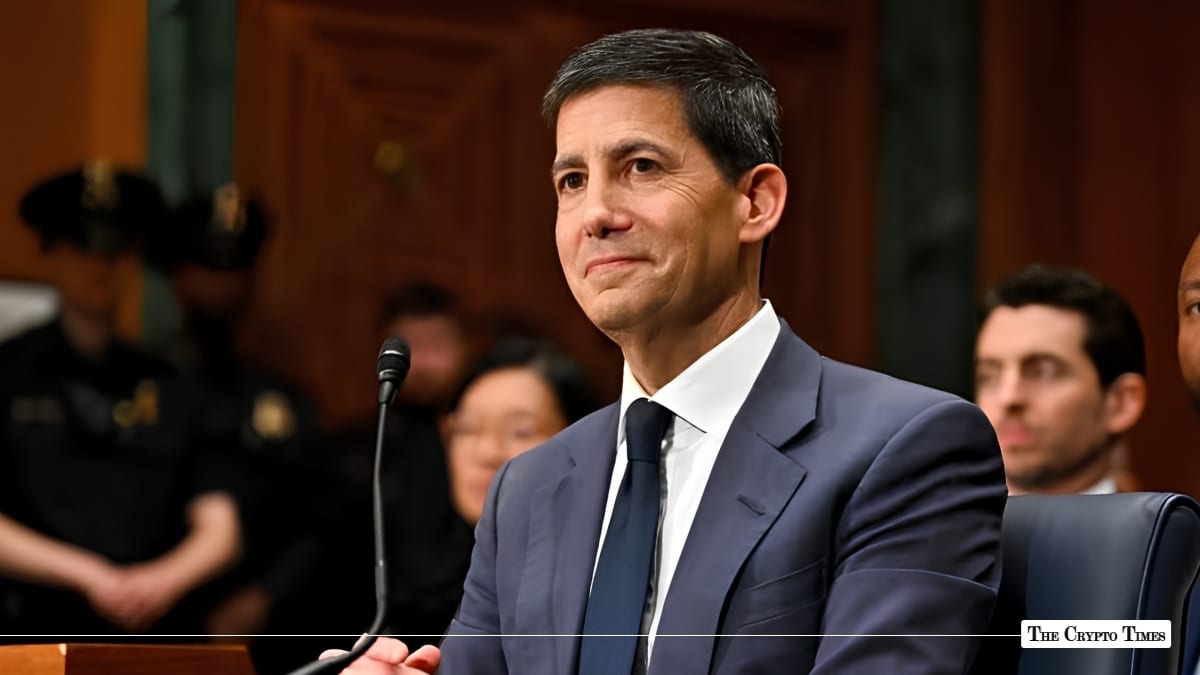
Crypto markets have a marked date on the calendar. On Wednesday, July 15, at 10 a.m., Federal Reserve Chair Kevin Warsh will appear before the Senate Banking Committee to deliver the central bank’s Semiannual Monetary Policy Report, the “Humphrey-Hawkins” testimony, in what will be his first turn before the panel since taking over the Fed in May. He testifies to the House Financial Services Committee the day before, but it is the Senate session, before a committee stacked with crypto-focused lawmakers, that the industry will watch most closely.
For a sector that has spent 2026 recalibrating to a new and more hawkish Fed, this is not a routine rate-watch exercise. It is a chance to question the most crypto-literate person ever to lead the central bank on the issues digital assets care about most.
The most crypto-fluent Fed Chair ever
Warsh arrived at the Fed as a genuine break from the Powell era. Confirmed 54-45 in the most divisive vote in the central bank’s modern history, he is the first incoming chair to hold direct exposure to digital assets, disclosing more than $100 million in crypto-related investments, including a stake in the Bitcoin Lightning payments firm Flashnet, ties to crypto index manager Bitwise, a position in a stablecoin venture, and holdings in assets like Solana.
He has described Bitcoin as “digital gold” and a sustainable store of value, cast it as a “policeman” that exposes monetary-policy errors, and, most consequentially for policy, he opposes a US central bank digital currency while favoring privately issued stablecoins, a stance that aligns neatly with the industry’s preferred framework and the recently passed multi-year CBDC ban. As The Crypto Times noted ahead of his congressional debut, no chair has ever come to the role closer to the crypto industry’s positions.
But the rate-cut trade is already dead
Here is the twist that has defined Warsh’s tenure so far: personal comfort with crypto has not translated into the easy money that lifts it. At his first FOMC meeting on June 17, Warsh held rates steady at 3.50-3.75%, but flipped the Fed’s dot plot from projecting cuts to projecting hikes, with nine of eighteen officials now penciling in at least one increase in 2026 and the median year-end projection rising to 3.8%.
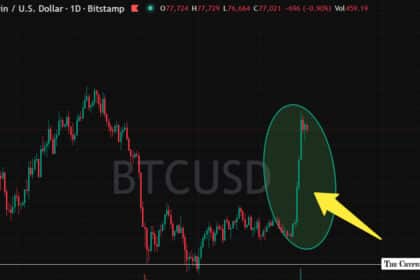
He stripped out the forward guidance markets had leaned on for a year and declared the committee “will deliver price stability.” Bitcoin slid toward $64,000 on the reset. The lesson the market absorbed the hard way: a crypto-friendly chair can still run a liquidity regime that pressures crypto.
A brutal macro backdrop
The setting only sharpens that dynamic. Inflation has climbed to a three-year high of around 4.2%, driven by an energy shock tied to the war involving Iran, and markets now price roughly a 69% probability of no rate cuts at all in 2026, with futures even flagging a meaningful chance of an October hike. Bitcoin is down about 27% year-to-date, and Goldman Sachs trimmed its gold forecast citing Warsh’s “surprisingly hawkish” turn, logic that maps directly onto Bitcoin as a fellow non-yielding asset.
The wildcard is Warsh’s “AI productivity” thesis, the idea that technology-driven disinflation could eventually justify easing. If he leans into it before the committee, analysts say it could read as a dovish opening; if he hardens on “price stability,” the higher-for-longer trade tightens further. At a central bank forum this month, he offered a preview, conceding open-mindedness on AI but insisting “prices are too high.”
FOMC minutes raised the stakes
The timing gives the testimony added weight. On July 8, the Fed released the minutes from Warsh’s first meeting, revealing a committee the chair himself described as engaged in “a good family fight” over the path of rates. Policymakers saw no need to hike immediately amid “high assessed uncertainty,” but debated the conditions that could justify either cuts or hikes depending on inflation, tariffs, AI-driven demand, and the Middle East conflict. The minutes confirmed the hawkish tilt — nine of 18 officials projected at least one hike in 2026, and the committee revised its year-end inflation forecast up to 3.6% while trimming growth to 2.2%.
Two details make Warsh’s appearance unusually consequential. First, he became the first chair since the dot plot’s 2012 debut to withhold his own rate projection, and he has floated scrapping the tool altogether, which shifts the burden of signaling onto exactly the kind of public testimony he delivers on July 15. Second, the backdrop has moved since the meeting: a soft June jobs report of just 57,000 payrolls, with prior months revised down, complicated the hawks’ case and reopened the question of whether the next decision, due July 28-29, is genuinely “live” for a hike or a hold. With forward guidance gone, markets will lean on Warsh’s words to fill the vacuum, and crypto, as a rate-sensitive risk asset, will move with them.
Why this hearing is a crypto event
Beyond rates, three crypto-specific threads make the testimony consequential.
First is the stablecoin policy. The hearing falls just days before July 18, the statutory deadline for key rulemaking under the GENIUS Act, the federal stablecoin law, and the Fed is among the agencies whose portion of that framework remains unfinished. Any signal on the timeline, or on how the Fed will treat bank stablecoin activity, will move markets.
Second is the question of bank access to crypto: whether banks can custody digital assets, and how firms tied to crypto can reach Fed payment rails and master accounts; long-standing friction points for the industry.
Third is his own potential conflicts. Warsh notably abstained from a June Fed vote on new stablecoin policies that his predecessor had supported, a recusal consistent with his personal holdings. Expect ranking member Elizabeth Warren to press on whether a chair with a nine-figure crypto portfolio can regulate the sector impartially.
Independence in a politically charged room
Overlaying it all is the question of Fed independence. Warsh was nominated by President Donald Trump amid open White House demands for lower rates, yet has insisted he would never predetermine a decision at the administration’s request, a posture that gains weight after the Supreme Court’s recent ruling preserved the Fed’s insulation even as it stripped independence from other agencies. How Warsh threads the needle between a president who wants cuts and an inflation reading that argues against them will be one of the hearing’s defining subplots.
What to watch
For crypto traders and builders, three things matter most on July 15: the rate tone, and whether “AI disinflation” or “price stability” wins the framing; any concrete signal on the GENIUS Act and bank stablecoin rules days before the deadline; and how Warsh handles the independence and conflict-of-interest questions in a charged room. The most crypto-fluent chair in the Fed’s history has, so far, let his hawkishness speak loudest. His first Senate testimony is the next test of whether that fluency ever points somewhere the market can trade on.
Also Read: Wyden Demands Senate Keep Crypto Developer Shields in CLARITY Act