Key Highlights
- The EU is reviewing MiCA to see if its crypto rules should be updated for stablecoins, tokenization, and non-EU crypto firms.
- Stablecoins are a major focus, with officials considering clearer rules for foreign issuers operating in the European market.
- MiCA is now fully in force, with 280 crypto firms authorized under the framework as Europe moves into a new phase of crypto regulation.
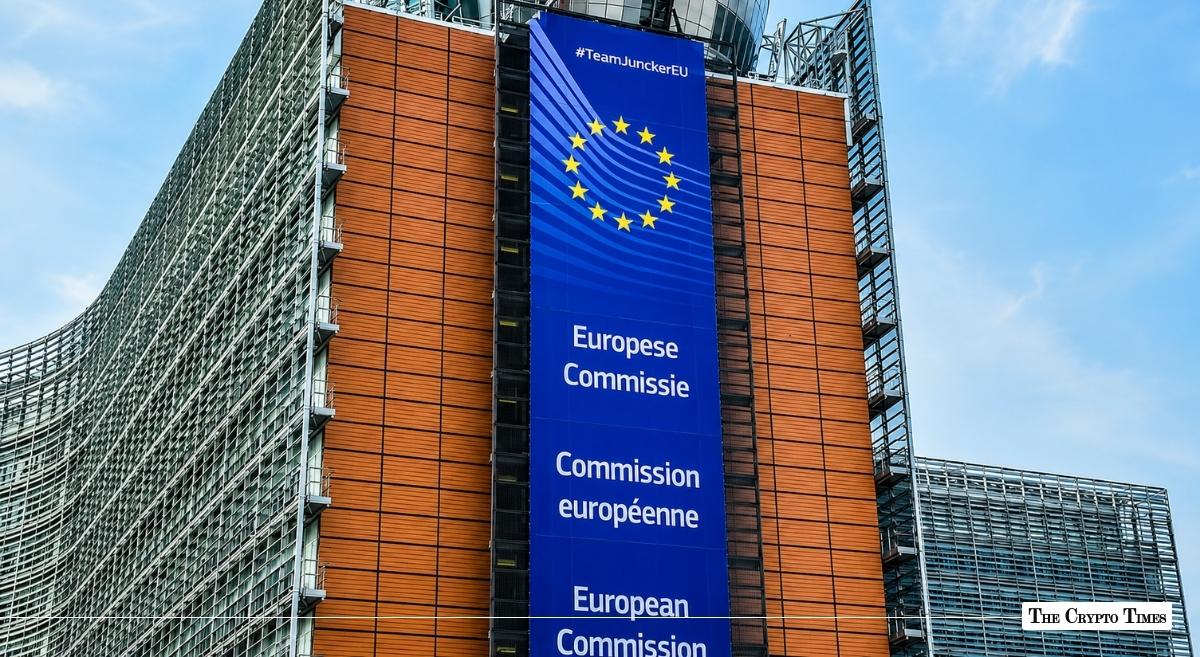
The European Union is taking another look at its crypto rulebook just days after it came fully into force. The European Commission is assessing the Markets in Crypto-Assets (MiCA) regulation to determine whether it remains suitable for today’s fast-changing crypto market.
According to a Euronews report, the Commission is gathering feedback from industry players and other stakeholders until September 30 before deciding if changes should be made. The review focuses on two of the biggest developments in the crypto industry today: stablecoins and tokenization. Both have grown quickly since MiCA was first written, which raises questions about whether the current rules cover everything they should.
Officials are also examining whether companies based outside the European Union that issue stablecoins but serve European users should be subject to clearer regulatory requirements.
What MiCA means for Europe’s crypto market
MiCA is the EU’s first complete set of crypto rules designed to create one system for all member countries. Instead of each country following different rules, MiCA gives crypto businesses a single framework for issuing digital assets, offering trading services, storing customers’ crypto, and running other crypto-related businesses.
Although the regulation became law in December 2024, companies were given extra time to prepare. That transition period ended on July 1, meaning the rules are now fully in effect across the bloc.
Why the EU is reopening MiCA
However, the crypto industry has not stood still. New products, new technologies, and new ways of using blockchain have appeared much faster than many expected.
One of the biggest developments is tokenization, a process that turns real-world assets such as stocks, real estate, or other investments into digital tokens that can be traded on blockchain networks. While MiCA covers many crypto assets, it does not directly regulate tokenized securities, leaving them under the EU’s existing securities laws.
The European Commission believes these changes deserve another look. In an inquiry published in May, it said digital asset markets and global regulations have changed significantly since MiCA was first developed. “The Commission is therefore assessing whether the EU framework needs to be updated in light of market and international developments,” it said.
An unnamed EU diplomat stated that revisiting the law has become difficult to avoid. “Reopening the file seems unavoidable at this stage, not only in light of the position expressed by several European institutions (not least the ECB), but also to cater for the most recent regulatory and technological developments worldwide,” the diplomat said.
Stablecoins and Tokenization return to the spotlight
Stablecoins are expected to be one of the major parts of the review. MiCA already regulates stablecoins through different categories and sets strict requirements for reserves and oversight.
However, the current framework does not clearly explain how non-EU stablecoin issuers operating in Europe should be regulated. As stablecoins become more widely used for payments and transfers, officials want to make sure the rules remain clear and effective.
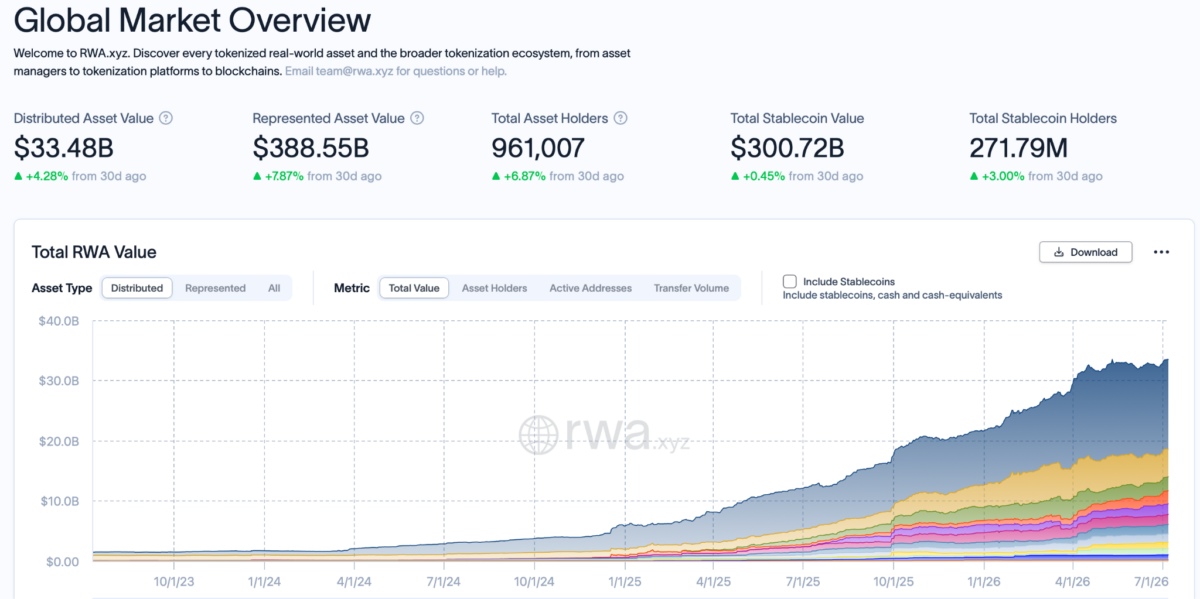
Another reason for the review is the rapid growth of tokenized stocks. According to RWA.xyz, the total value of on-chain tokenized stocks has reached about $33.48 billion after increasing by around 4.28% over the past month.
The Commission is also expected to examine whether future tokenized payment systems and digital deposits should be included in MiCA as these technologies become more widely used.
U.S. policy adds new pressure
The review also follows major policy changes in the United States. Last year, U.S. President Donald Trump signed the GENIUS Act into law, creating a federal framework for fully backed payment stablecoins.
That move has added pressure on European regulators to consider whether MiCA should be updated to keep pace with international developments.
MiCA enters a new phase
At the same time, Europe’s crypto market is entering a new phase. On July 3, the European Securities and Markets Authority (ESMA) added 37 new Crypto-Asset Service Providers to its MiCA register, bringing the total number of authorized firms to 280.
The newly approved firms include Standard Chartered, FalconX, Sygnum Europe, and Ronin EM.
The latest update shows that MiCA has now moved beyond its transition period and into active enforcement, with crypto firms expected to either meet the new rules or stop offering services in the European Union.
Also Read: “Last Chance”: Senator Lummis Warns Congress on CLARITY Act Delay