Key Highlights
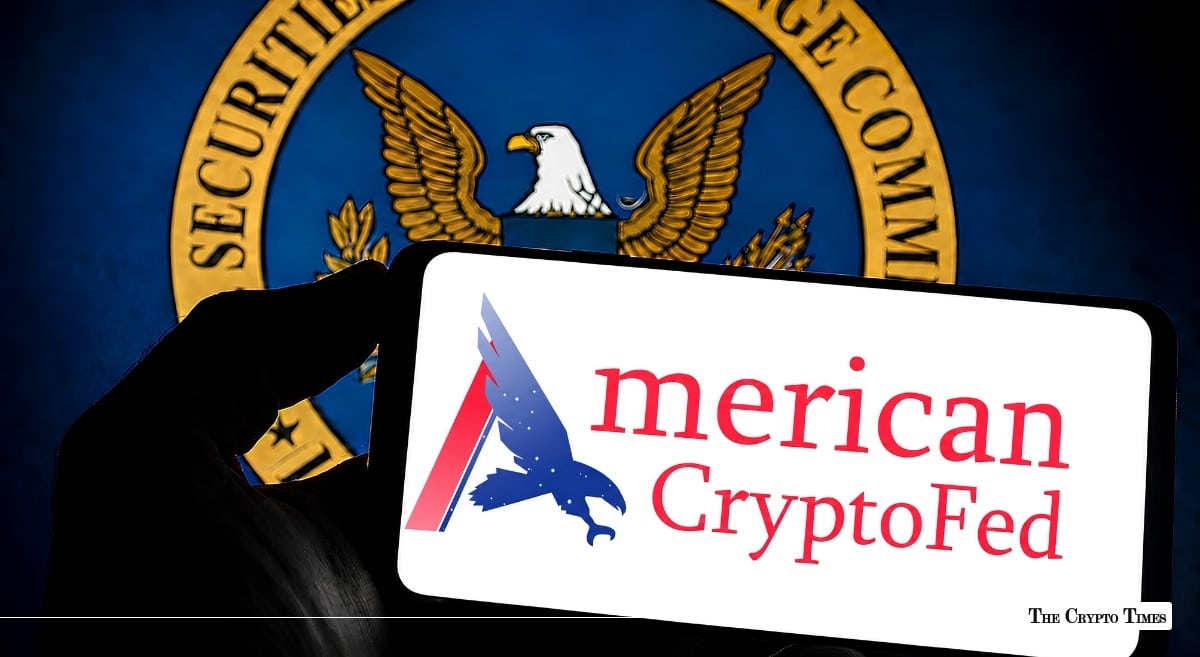
- American CryptoFed met with the SEC to advance the registration of its Locke governance token.
- The nonprofit firm expects its Form 10 filing to become effective by Aug. 17 unless the SEC objects.
- If approved, the Locke token could begin trading on Uniswap while the organization continues its SEC reporting obligations.
American CryptoFed is moving one step closer to bringing its Locke governance token under U.S. securities rules after meeting with the U.S. Securities and Exchange Commission’s (SEC) Crypto Task Force. The talks involved American CryptoFed founders Scott Moeller and Xiaomeng Zhou and come as the organization works toward an important registration milestone expected next month.
According to a memorandum released on July 7 by the SEC’s Crypto Task Force, American CryptoFed told SEC staff that it changed its legal structure last month by becoming a Wyoming unincorporated nonprofit association under the state’s UNA/DUNA Act. The organization said the move is part of its effort to meet U.S. regulatory requirements after spending several years trying to register its token with the agency.
Why August 17 could be a key date
American CryptoFed also confirmed that it filed a Form 10 last month to register the Locke governance token as a reporting company under the Securities Exchange Act of 1934. The nonprofit firm believes its filing should automatically become effective 60 days after it was submitted unless the SEC objects before then. Based on that timeline, August 17 has become the key date the organization is watching.
The filing follows another important development in February, when the SEC dismissed earlier administrative proceedings involving American CryptoFed. Rather than ending the organization’s efforts, the decision allowed it to continue pursuing registration through a different process. American CryptoFed said its latest filing is part of that renewed effort.
Can Locke trade legally on Uniswap?
If the registration becomes effective, the nonprofit plans to make the Locke governance token available for trading.
During the meeting, American CryptoFed said the first recipients of the token would be able to trade it on the Uniswap decentralized exchange after receiving the necessary regulatory clearance.
How CryptoFed plans to meet SEC rules
The organization also explained how it believes trading can still meet U.S. securities rules even on a decentralized platform. It pointed to existing reporting forms, including Forms 144, 3, 4, and 5, which are already used to report certain securities transactions and insider activity.
American CryptoFed also referred to SEC guidance that says the agency “will not normally intervene” in disputes involving the removal of restrictive legends from securities.
A registration journey that started in 2021
The company has been seeking SEC recognition for the Locke token since 2021. Over the years, it said it has updated parts of its proposal to better match regulatory expectations.
According to the nonprofit, some of those changes were influenced by SEC Commissioner Hester Peirce’s proposed token safe harbor framework, which was designed to give qualifying blockchain projects more time before some securities rules fully apply.
Aside from the registration process, the company has also continued to promote its vision of a decentralized monetary system that would operate alongside the U.S. Federal Reserve. According to the nonprofit, the system is designed to reduce both inflation and deflation, remove transaction costs, and support maximum employment through a stablecoin-linked financial network.
CLARITY Act could shape the future
The organization also said progress on the Digital Asset Market CLARITY Act could provide clearer rules for digital assets in the United States.
Meanwhile, Senator Cynthia Lummis has urged Congress to pass the bill before lawmakers begin their August recess. In a recent statement, she warned that delaying the bill could leave the United States behind other countries in setting the rules for the digital asset industry.
“This is likely our last chance to get real legislation for digital assets on the books before 2030,” Lummis said. “If we fail to pass the Clarity Act, we are ensuring another country will write the rules for digital assets and we spend the next decade catching up.”
Also Read: Russia Advances Crypto Oversight Bill With Easier Reporting Rules