Key Highlights
- FSS urges crypto firms to strengthen internal controls to improve governance and build long-term trust in South Korea’s virtual asset market.
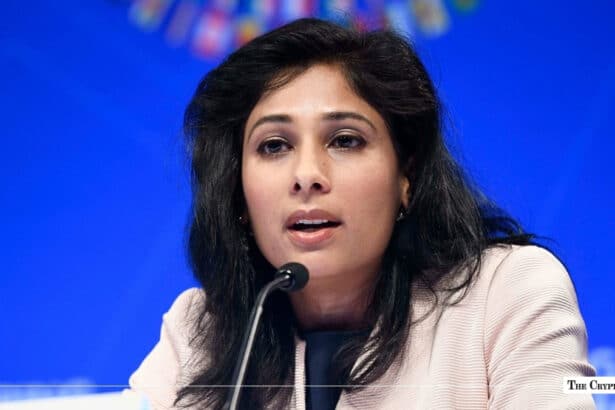
- Lee Chan-jin, FSS Governor, meets CEOs of 15 major virtual asset service providers to discuss regulation, oversight, and strengthening internal control systems.
- The FSS plans to expand AI-based monitoring tools to better detect market abuse and improve investigation of unfair trading activity.
South Korea’s top financial regulator has urged the country’s leading crypto firms to strengthen internal controls, warning that lasting trust in the industry will depend more on strong governance than tougher enforcement alone.
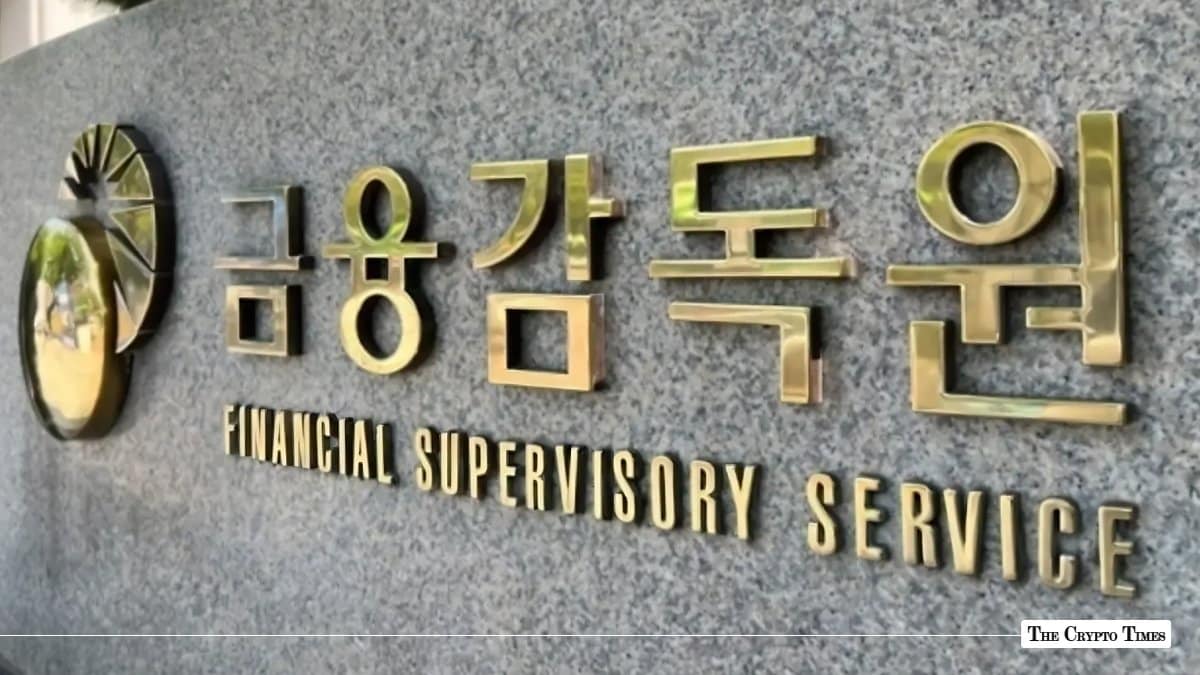
According to a local news report, Financial Supervisory Service (FSS) Governor Lee Chan-jin delivered the message during a meeting on Wednesday with the CEOs of 15 major virtual asset service providers.
“The foundation of market trust lies in the control systems that operate routinely within the company, rather than in strong public regulations or ex post sanctions,” he said, urging firms to build company-wide internal control systems that support steady and sustainable growth.
Putting trust back at the center
The Governor shared that crypto companies must build stronger governance frameworks if they want the industry to mature and earn lasting public confidence.
“The foundation of market trust lies in the control systems that operate routinely within the company, rather than in strong public regulations or ex post sanctions,” he said, urging firms to build company-wide internal control systems that support steady and sustainable growth.
The governor also asked companies to get ready for upcoming legal changes, including the proposed Framework Act on Digital Assets and amendments to the Specific Financial Information Act and the Foreign Exchange Transactions Act. Firms, Lee said, should closely track the legislative process and stay fully compliant.
Market cools as scrutiny increases
The FSS tightened crypto oversight in February 2026 to curb market manipulation and improve investor protection. It said it would use AI and real-time analytics to spot suspicious trading, including large whale trades, sudden price spikes, and coordinated manipulation. Building on this regulatory push, FSS Governor Lee Chan-jin said the crypto market was relatively quiet in the first half of 2026, driven by fund movements and Bitcoin payment errors.
Even so, he said the long-term outlook remains strong. He pointed to rising stablecoin activity, deeper links between crypto and traditional finance through blockchain, and emerging rules for asset tokenization as signs that the market foundation continues to expand.
Lee also urged exchanges to improve their ability to detect and prevent market abuse, saying they play a critical role in identifying unfair trading before it harms investors.
The FSS will expand its use of artificial intelligence to strengthen market monitoring and improve investigations into market abuse.
Investor protection was another major focus. Lee said firms should not rely only on investor self-responsibility. Instead, they must ensure products are suitable, disclosures are clear, and systems are in place to prevent or handle customer losses. He warned that high-risk products, aggressive promotions, delayed disclosures, or shifting losses onto retail investors would ultimately weaken trust in the market.
Pushing for a slower rollout of rules
Executives attending the meeting said they would strengthen internal controls across their organizations and continue to comply with both legal requirements and industry self-regulatory standards governing token listings, advertising, and public communications.
They also said regulations should be introduced gradually, given the wide differences in size and capacity across crypto firms. Industry leaders also called for policy support to help South Korea’s crypto sector stay competitive while continuing to innovate.
The meeting comes as South Korea moves toward a broader digital asset framework, with lawmakers considering new legislation that could reshape how the industry operates.
Also Read: RBI Rejects Crypto Legal Status in India, Its Own e-Rupee Failing: Finance Chairman