Key Highlights
- Bank of Korea Governor Shin supports tokenizing government bonds to make financial systems faster, simpler, and less error-prone.
- South Korea’s Project Hangang is building a unified digital ledger linking tokenized bonds, CBDCs, and bank deposits with instant “atomic settlement.”
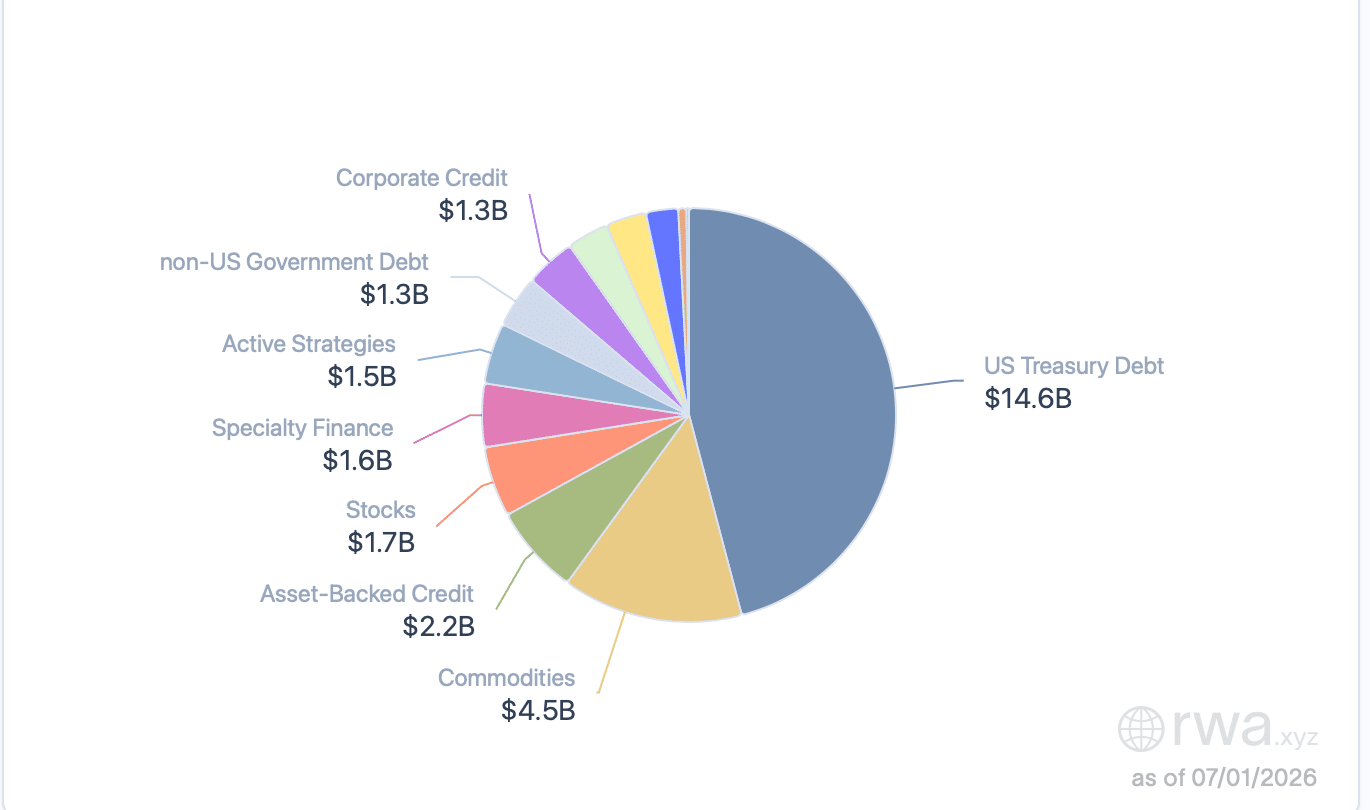
- US Treasury debt leads the tokenized real-world asset market at $14.6 billion.
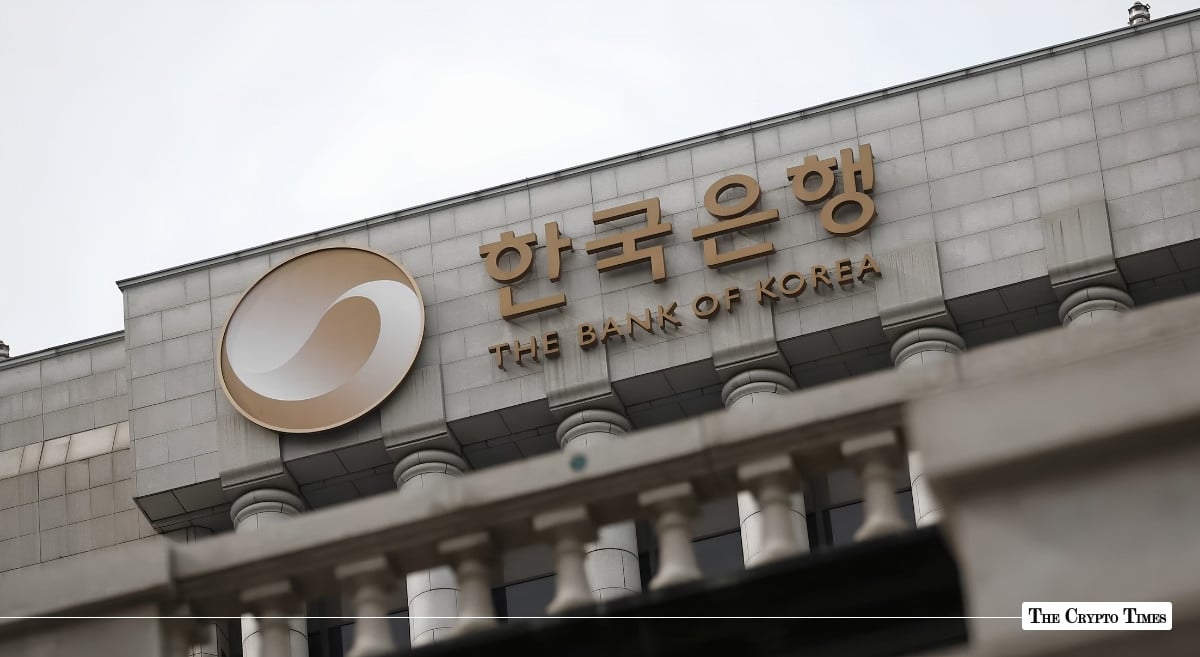
Bank of Korea Governor Hyun Song Shin has expressed support for the tokenization of government bonds, saying it could make financial processes simpler and more efficient.
Speaking during a panel discussion at the European Central Bank (ECB) Forum on Central Banking in Sintra, Portugal, Shin said tokenized bonds could improve how collateral is checked as well as how money is credited to accounts. “The big prize is tokenizing government bonds,” he said, adding that everything becomes “much easier, much less prone to mistakes if you have everything tokenized.”
His comments point to a growing interest among central banks in using digital systems to manage core financial assets like sovereign debt.
Tokenized bonds and central bank vision
Shin also outlined plans to connect tokenized government bonds with wholesale central bank digital currencies (CBDCs) and tokenized commercial bank deposits. These would all operate on a single unified ledger under what the Bank of Korea calls Project Hangang.
Project Hangang is part of South Korea’s broader Digital Currency System (DCS). It is a controlled system where only approved financial institutions can take part. It is built like a private digital network run by the central bank. One key feature of this system is the atomic settlement, where when a bond is bought or sold, the payment and the asset exchange happen at the exact same time. There is no waiting, no delay, and no gap where something can go wrong.
The project has already entered the testing phase. Phase I ran from April to June 2025 and included about 80,000 users and 12,000 merchants. Phase II is scheduled for the second half of 2026 and is expected to expand the program with additional features and participants.
Banking structure remains unchanged
Shin said the proposed system would retain the existing banking structure.
Under the model, the central bank would continue issuing base money, while commercial banks would continue managing customer deposits. Wholesale CBDCs would be used for settlement, with banks maintaining their existing role in the financial system.
Moreover, data from RWA.xyz shows that US Treasury debt leads the tokenized real-world asset (RWA) market, valued at $14.6 billion and making up about 46% of a $31.7 billion total market. This highlights how government debt is already the most active area in tokenized finance.
Global interest in tokenized bonds
The Bank for International Settlements (BIS) has also supported the idea of tokenized bonds.
In a July 2025 report, the BIS said tokenization can make markets more efficient, reduce settlement risks, and help more people access investment opportunities. It also reviewed 39 tokenized bonds and found early signs that they can trade more smoothly, with lower price gaps between buyers and sellers, compared to traditional bonds.
The BIS stated, “By enabling the contingent execution of actions, tokenisation can help to enhance the efficiency of markets, reduce settlement risk, broaden investment access and spur the creation of new financial services.”
Regulation and global competition
Meanwhile, South Korea’s Financial Services Commission is expected to release guidelines for tokenized securities in July 2026. The guidelines are expected to support the next stage of Project Hangang.
At the same time, other regions like Singapore and the European Central Bank are testing similar systems. Even the Bank for International Settlements is working on cross-border projects to help these systems connect in the future.
Also Read: South Korea Turns to US SEC as Crypto Rules Take Shape