Key Highlights
- The U.S. Senate is in recess until July 13, leaving behind-the-scenes negotiations to determine the future of the CLARITY Act.
- Lawmakers are working to reconcile competing committee drafts and resolve disagreements over ethics, illicit finance, and state authority.
- Senate Majority Leader John Thune is expected to prioritize the NDAA when lawmakers return, potentially delaying a CLARITY vote until late July.
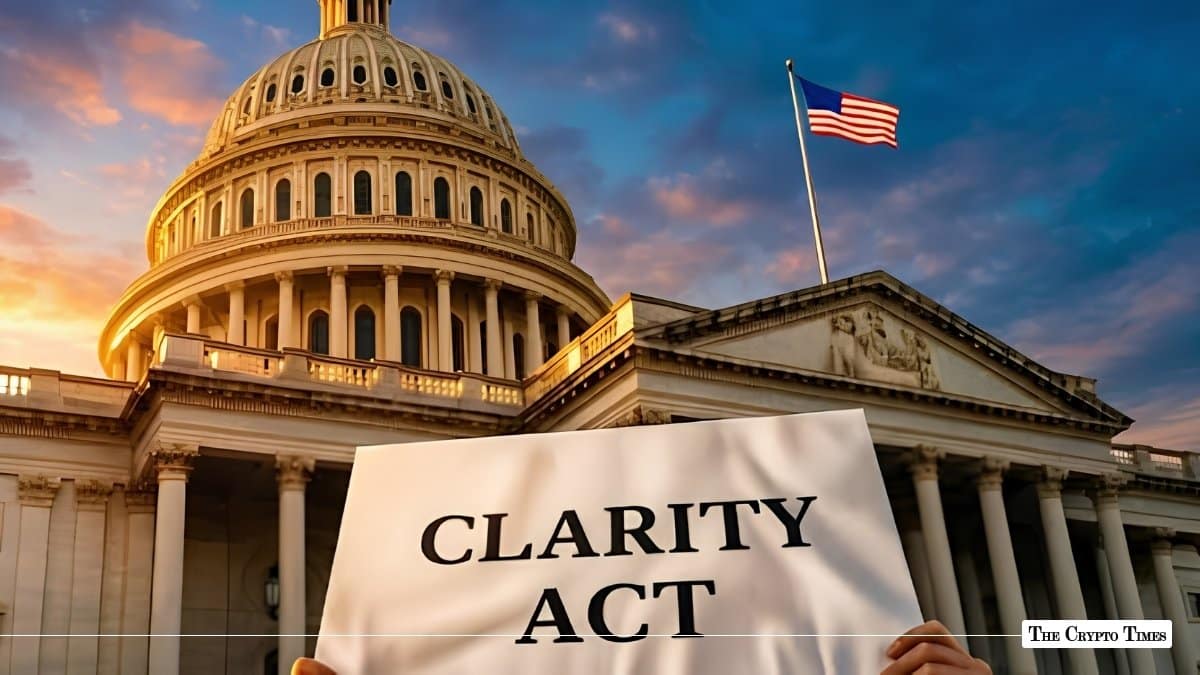
The next two weeks could prove decisive for the future of the CLARITY Act, as lawmakers, White House officials, and crypto industry stakeholders work behind closed doors to resolve the remaining disputes standing between the crypto market structure bill and a Senate floor vote.
According to a Crypto In America report, with the Senate now in recess until July 13, negotiations have shifted away from public hearings to congressional staff, administration officials, and industry representatives tasked with finalizing the legislation before lawmakers return to Washington.
Many in the crypto industry believe the bill must clear the Senate before Congress begins its August recess if it is to become law in 2026.
Senate recess shifts focus to behind-the-scenes negotiations
According to people familiar with the discussions, negotiators are attempting to reconcile differences between the versions of the bill drafted by the Senate Banking Committee and the Senate Agriculture Committee. Among the key unresolved issues are federal preemption of state laws, ethics provisions, illicit finance safeguards, conflict-of-interest rules for crypto exchanges, and restrictions on affiliate trading.
Lawmakers are also continuing discussions over provisions that would determine how much authority state attorneys general should retain over digital asset platforms.
One proposal, recently highlighted by Senator Cynthia Lummis, would allow state attorneys general to sue exchanges that list digital assets issued by public officials in violation of the legislation, an effort aimed at addressing concerns raised by Democratic lawmakers.
August deadline creates growing pressure
The legislative calendar has added urgency to the negotiations. Senate Majority Leader John Thune has already indicated that lawmakers are expected to prioritize the National Defense Authorization Act (NDAA) once Congress returns on July 13.
If that schedule remains unchanged, the CLARITY Act could receive Senate floor consideration later in July or during the first week of August.
Industry observers increasingly view that timeline as the bill’s best opportunity to pass this year. Failure to secure Senate approval before lawmakers leave for their August recess could significantly reduce the bill’s chances of becoming law in 2026.
Bipartisan support still required
Even if negotiations conclude successfully, the legislation still faces a difficult path through the Senate. Current expectations suggest the CLARITY Act will require support from at least 60 senators to overcome procedural hurdles.
Assuming all 53 Republicans support the measure, a scenario that is not guaranteed after Senators Josh Hawley and Rand Paul opposed the GENIUS Act during previous votes, the bill would still need backing from at least seven Democrats.
That reality has intensified negotiations over ethics provisions and consumer protection measures designed to attract bipartisan support.
Law enforcement raises new concerns
Negotiators are also facing renewed pressure from several law enforcement organizations over the inclusion of the Blockchain Regulatory Certainty Act (BRCA) within Section 604 of the legislation.
Critics argue that the current language could make it more difficult to investigate and prosecute blockchain-based financial crimes. Meanwhile, some industry participants have indicated they would support targeted revisions to the provision if doing so improves the bill’s chances of securing broader Senate support.
Whether lawmakers ultimately modify the language remains one of several unresolved questions heading into July.
Crypto industry watches critical two-week window
The crypto industry is closely monitoring the negotiations, with many viewing the next two weeks as the most important period since the legislation first advanced through the House of Representatives.
Some industry leaders believe the compressed timeline could force lawmakers to reach compromises that have remained unresolved for months. Others remain cautious, warning that the legislative calendar, combined with the challenge of assembling a bipartisan coalition, could still derail the bill before it reaches the Senate floor.
For now, the CLARITY Act remains under negotiation, with its near-term trajectory likely to become clearer before senators return to Washington on July 13.
Also read: MiCA’s July 1 Deadline: What It Means for Your Crypto in Europe