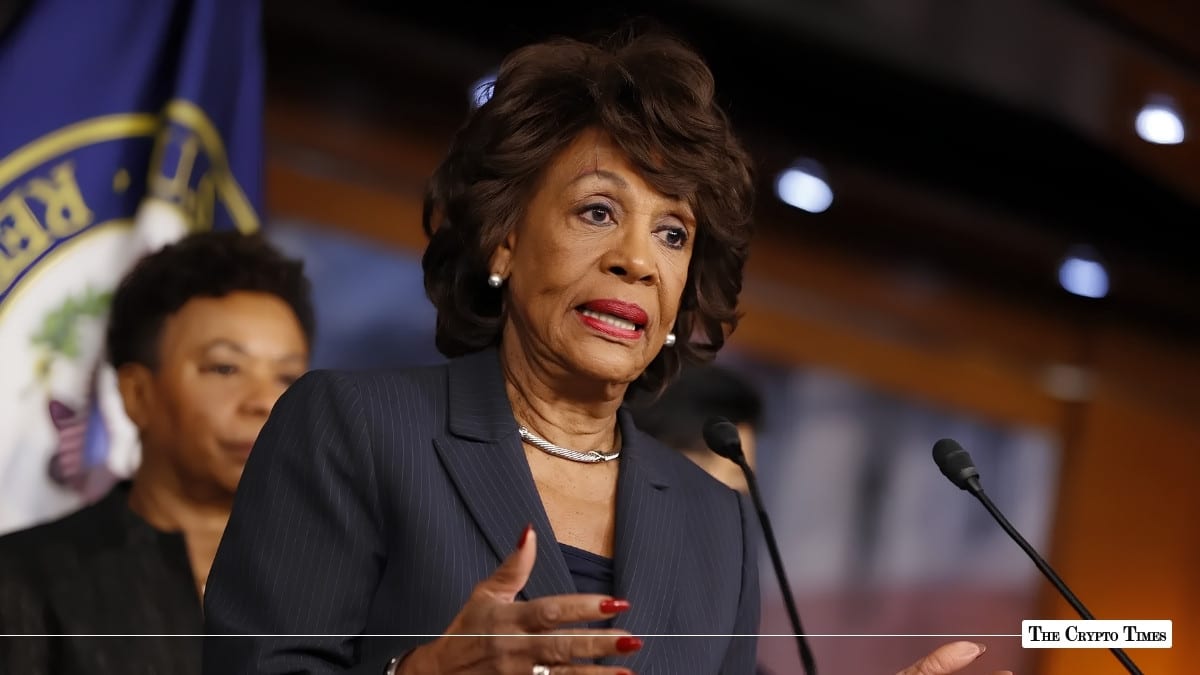
Representative Maxine Waters has urged the U.S. Department of Labor (DOL) to withdraw the proposed rule that would make it easier for 401(k) plans to include alternative investments, including cryptocurrencies, arguing that the measure could expose retirement savers to unnecessary risks before digital asset regulations are fully established.
In a June 25 letter to the DOL, Waters opposed the proposed rule, “Fiduciary Duties in Selecting Designated Investment Alternatives” (RIN 1210-AC38), which would establish a safe harbor for fiduciaries offering alternative assets such as private equity, private credit, real estate, commodities, and digital assets in defined-contribution retirement plans.
Why Waters wants the rule withdrawn
A central focus of Waters’ letter is the proposed inclusion of digital assets within the safe harbor. She argued that cryptocurrencies remain unsuitable for retirement accounts because federal regulators are still developing a comprehensive regulatory framework for the asset class. According to the letter, crypto markets continue to present significant risks, including price volatility, fraud, cybersecurity vulnerabilities, and operational failures.
Waters also cited FBI data showing crypto-related losses exceeded $11 billion in 2025, arguing that retirement savings should not be exposed to these risks until stronger investor protections are in place.
Opposition to the proposal is growing
Waters’ opposition follows a similar push from Sen. Elizabeth Warren, Sen. Bernie Sanders, and Rep. Bobby Scott, who on June 1 urged Acting Labor Secretary Keith Sonderling to withdraw the proposed rule.
In a letter, the lawmakers argued that allowing broader access to alternative investments, including cryptocurrencies, private equity, private credit, and certain annuity products, would weaken long-standing retirement protections and expose workers’ savings to riskier, more expensive, and less transparent assets.
They also criticized the proposal’s safe-harbor framework, saying it departs from ERISA’s traditional fiduciary standards by providing greater liability protections for plan fiduciaries when selecting alternative investments.
Concerns extend beyond crypto
While crypto received particular attention, Waters’ objections extended to the broader proposal allowing greater access to private market investments. She argued the rule could accelerate the migration of companies away from public markets by encouraging them to remain privately held for longer, reducing transparency, and limiting opportunities for ordinary investors to participate in the growth of emerging companies through public markets.
According to the letter, retirement savers could also be exposed to illiquid private assets that institutional investors are increasingly seeking to exit amid weaker fundraising and valuation pressures.
Questions raised over investor protection and fees
Waters further argued that private equity and private credit have not consistently delivered superior returns after fees compared with public markets, citing academic research referenced in the letter. She also warned that incorporating illiquid assets into 401(k) plans could create liquidity challenges for retirement portfolios while making investment costs less transparent if underlying fees are bundled together.
The letter contends that the proposal could weaken fiduciary standards under the Employee Retirement Income Security Act (ERISA) by providing additional legal protection to plan fiduciaries without sufficient evidence that the approach benefits retirement investors.
A conflict-of-interest question enters discussion
Waters’ letter additionally questioned whether Assistant Labor Secretary Daniel Aronowitz should participate in the rulemaking process. She alleged a potential conflict of interest stemming from Aronowitz’s previous role as founder of Encore Fiduciary. This fiduciary liability insurance company, she argued, could benefit if the proposed safe harbor reduces litigation risks for retirement plan fiduciaries.
The letter called for ethics disclosures and a review of any potential conflicts before the rule moves forward.
What happens next?
The DOL proposal has not been finalized. If adopted, it would create a framework allowing fiduciaries greater flexibility to include alternative investments, including digital assets, in retirement plans while receiving additional legal protections when following specified standards.
Waters concluded by urging the department to withdraw the proposal entirely, arguing that it would expose retirement savings to high-risk and illiquid assets, weaken investor protections, and allow crypto into retirement portfolios before the regulatory landscape has been fully established.
Also Read: U.S. Senators Press CFTC Over Polymarket Marketing Practices