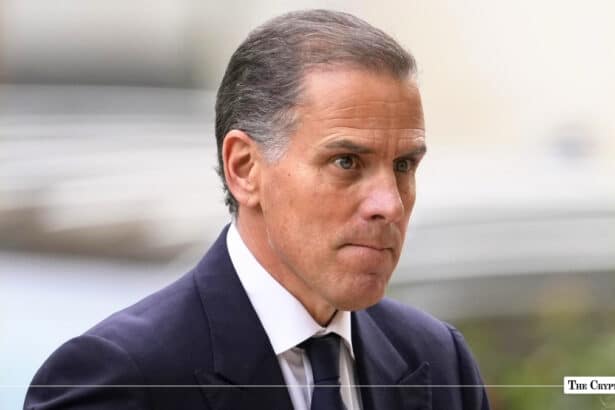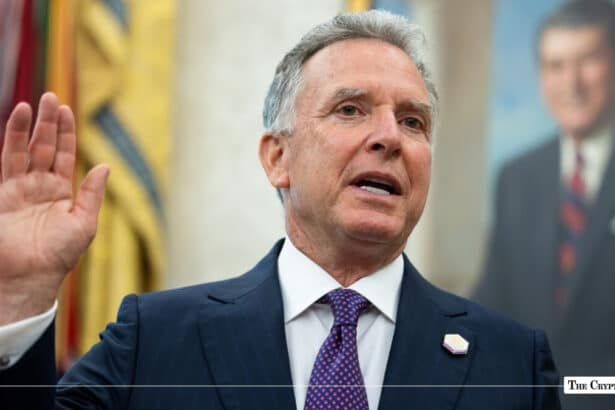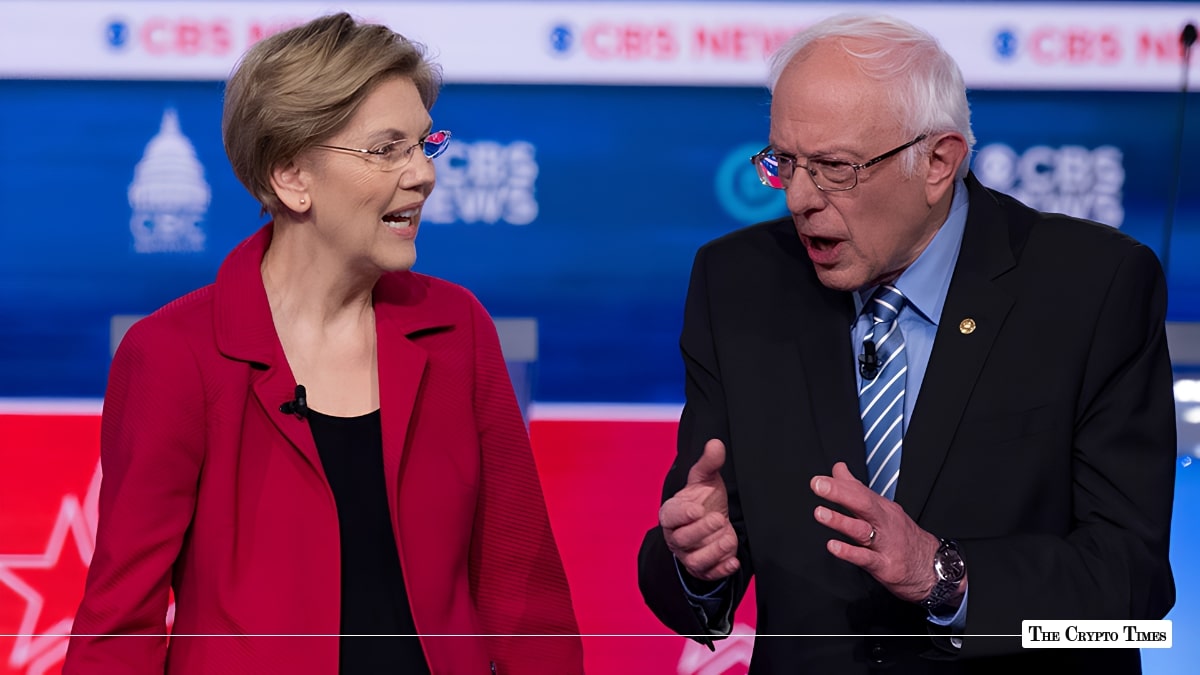
Sen. Elizabeth Warren, Sen. Bernie Sanders, and Rep. Bobby Scott have called on the U.S. Department of Labor (DOL) to withdraw a proposed rule that could make it easier for 401(k) plans to include cryptocurrency and other alternative investments.
According to the official release, in a June 1 letter to Acting Labor Secretary Keith Sonderling, the lawmakers argued that the proposal would weaken long-standing retirement protections and expose workers’ savings to assets they described as riskier, more expensive, and less transparent than traditional retirement investments.
Lawmakers oppose expanded access to alternative assets
The proposal, titled Fiduciary Duties in Selecting Designated Investment Alternatives, would create a regulatory framework under which plan fiduciaries could consider a broader range of investment options, including digital assets, private equity, private credit, and certain annuity products.
Warren, Sanders, and Scott contend that the rule would effectively encourage retirement plans to allocate portions of the roughly $14.2 trillion held in U.S. retirement accounts to alternative assets.
According to the letter, the proposal introduces a new safe-harbor framework that grants fiduciaries greater protection from liability if they evaluate certain factors, including fees, performance, liquidity, valuation, complexity, and benchmarks, before selecting investment options.
The lawmakers argued that the approach departs from ERISA’s traditional fiduciary standards and could reduce accountability for investment decisions affecting retirement savers.
Crypto draws particular scrutiny
A significant portion of the lawmakers’ criticism focused on digital assets. The letter described cryptocurrencies as highly volatile investments and cited a Government Accountability Office study that found crypto investments available in retirement plans between 2021 and 2023 were substantially more volatile than the S&P 500.
According to the study referenced by the lawmakers, Bitcoin’s volatility was approximately four times higher than the benchmark, while Solana’s volatility was roughly twelve times greater. The lawmakers also pointed to ongoing concerns about fraud and scams in the crypto sector. They cited data from the FBI’s 2025 Internet Crime Report, which reported billions of dollars in losses linked to cryptocurrency-related fraud schemes.
In addition, they referenced comments made by Employee Benefits Security Administration Assistant Secretary Daniel Aronowitz during an April congressional hearing. Aronowitz stated that fiduciaries considering crypto investments would need to apply a rigorous review process and questioned whether any current crypto product could meet that standard.
The lawmakers argued that allowing broader crypto exposure in retirement plans could place workers’ long-term savings at risk while benefiting the digital asset industry.
Industry group backs proposal
The proposal has also received support from the digital asset industry. The Blockchain Association submitted its own comment letter to the Labor Department on June 1, arguing that retirement plan fiduciaries should be allowed to evaluate crypto-related investments under the same standards applied to other asset classes.
The organization said the proposed rule reinforces ERISA’s asset-neutral framework, under which fiduciaries are expected to assess investments through a prudent decision-making process rather than favoring or excluding specific categories. According to the group, the rule would permit plan sponsors to consider funds with digital asset exposure when they determine such investments are appropriate for participants’ retirement objectives and risk tolerance.
The Blockchain Association also argued that digital assets have become increasingly integrated into regulated financial markets through exchange-traded products, custodial services, and institutional investment vehicles, and therefore should not face additional restrictions solely because of their asset class.
Concerns extend beyond cryptocurrency
While crypto featured prominently in the letter, the lawmakers’ objections extended to private equity, private credit, real estate vehicles, and other alternative assets. They argued that many private-market investments carry higher fees, limited transparency, and liquidity constraints that may not align with the needs of retirement savers who rely on daily access to their 401(k) accounts for withdrawals, loans, and portfolio adjustments.
The letter cited recent challenges in private markets, including fundraising slowdowns, investor redemption pressures, and concerns about valuation practices in continuation funds. The lawmakers argued that these factors raise questions about whether such investments are suitable for retirement plans designed for retail investors.
They also warned that alternative investments often charge significantly higher fees than traditional mutual funds and index-based retirement products, potentially reducing long-term returns for workers.
Fiduciary standards at the center of the debate
A central argument in the letter is that the proposal could alter how courts evaluate fiduciary conduct under ERISA. The lawmakers said the rule would create what they characterized as a presumption of prudence for fiduciaries who follow the proposed process, potentially making it more difficult for retirement savers to challenge investment decisions in court.
They argued that existing ERISA standards require fiduciaries to conduct a comprehensive analysis of all relevant risks and circumstances rather than relying on a checklist of factors.
The letter also criticized provisions that would allow fiduciaries to rely heavily on outside experts when evaluating investment options, arguing that courts have historically required fiduciaries to independently assess whether expert advice is reasonable.
Call for withdrawal
Warren, Sanders, and Scott concluded that the proposal would expose retirement savers to greater risks while weakening safeguards established under ERISA. They urged the Labor Department to rescind the rule and retain existing fiduciary standards governing retirement plan investments.
The letter marks the latest pushback against the Trump administration’s efforts to expand access to alternative assets in retirement accounts. The proposal remains under consideration as the Labor Department reviews public comments from industry groups, retirement advocates, and lawmakers.
Also Read: Why Illinois’ New $55.9B Budget Has Crypto Firms Watching