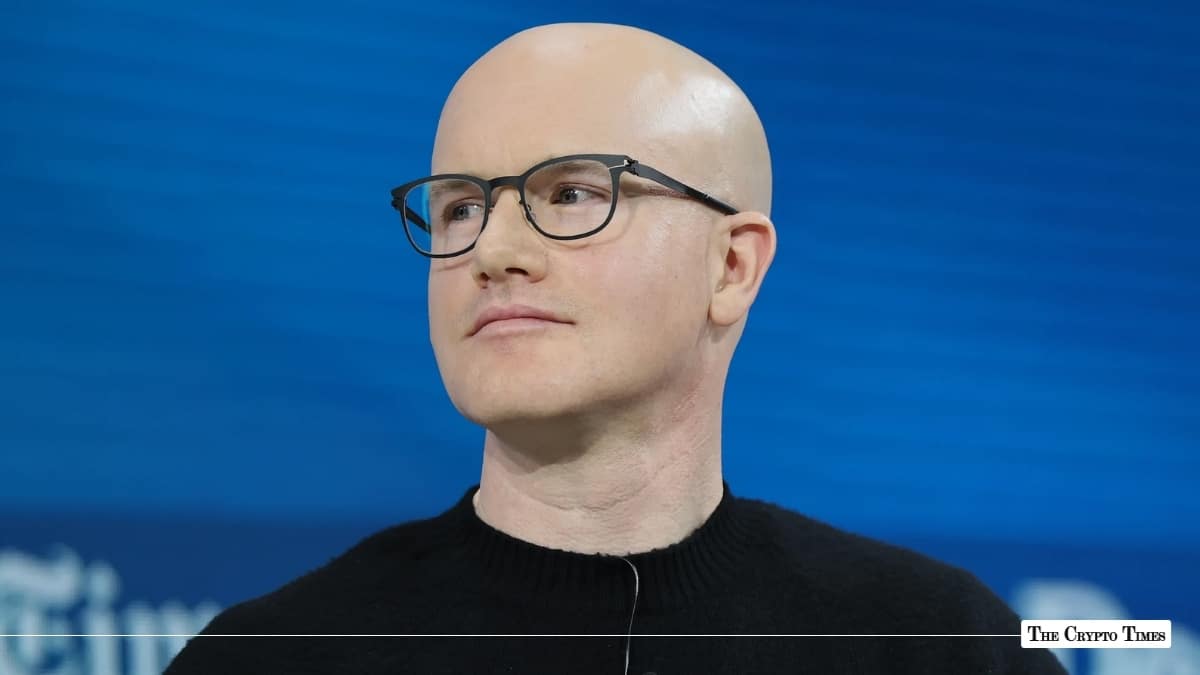
Coinbase CEO Brian Armstrong made a direct appeal on Capitol Hill Tuesday for lawmakers to pass the long-awaited Digital Asset Market Clarity Act, describing the bipartisan crypto regulatory bill as sitting at the “one-yard line.”
Speaking with CNBC’s Emily Wilkins during a Closing Bell segment aired July 21, 2026, Armstrong emphasized the urgent need to establish clear federal rules for the crypto industry before senators head into their August recess.
Bipartisan Compromise at the One-Yard Line
Armstrong, who spent the day meeting with senators, expressed strong optimism that the bill can clear its final hurdles.
“Yes, the Clarity Act is at the one-yard line and it reflects the work from both sides of the aisle,” he said. “Spending thousands of hours along with their staff to get a true bipartisan compromise.”
The legislation, which has already passed the House and advanced through the Senate Banking Committee on a bipartisan vote, aims to provide regulatory clarity by distinguishing between securities and commodities in crypto markets. Proponents say it would strengthen law enforcement tools, introduce new consumer protections, and create a framework for innovation that has been missing at the federal level.
“The status quo is that we don’t have any federal laws protecting consumers or helping this industry get built in the United States,” Armstrong noted. “So the status quo is not going to work. This bill is a dramatic benefit [to] the United States of America, and it’s time to get it over the finish line.
”What Happens If the Bill Stalls?
Armstrong acknowledged the tight timeline but remained confident the legislation would pass. However, he outlined what a failure to act this year would mean for Coinbase and the broader industry.
In that scenario, he said, Coinbase would continue building primarily in the United States under the current administration’s “very friendly set of regulators.” Some operations might shift offshore where clearer rules already exist, resulting in a “slightly more permissive environment” in the short term.
But Armstrong stressed that Coinbase prefers a durable statutory framework over reliance on changing regulatory interpretations.
“We at Coinbase believe that we should actually get clear statute which allows companies to come invest with certainty for the long term through many different administrations,” he said. “That’s what’s going to allow America to win and to protect consumers here on shore.”
He added that Coinbase is actively working to repatriate funds and business currently held offshore, underscoring the company’s desire to keep the majority of its operations in the U.S.
Crypto Cannot Be ‘Uninvented’
Armstrong framed the debate in stark terms for lawmakers concerned about illicit finance or consumer protection.
“They should want clear rules because it can’t be uninvented at this point,” he said. “The only question the United States has to answer now is: Do we want this to be built within the U.S. regulatory perimeter? Or [do we] all go offshore and have U.S. citizens continue to access it offshore?”
Ethics Concerns and Trump Deal Seen as Key Breakthrough
Democrats have raised concerns about law enforcement powers and ethics provisions, particularly following reports of President Donald Trump’s significant crypto-related earnings.
Armstrong said Coinbase has deliberately stayed focused on core crypto policy rather than wading into ethics debates. However, he noted that recent developments around an ethics agreement represent major progress.
“I know there’s been a lot of bipartisan work and conversations at the White House and I think it’s been publicly reported at this point that the president has agreed to an ethics deal,” Armstrong said. “So I believe that that will — I hope that that will come out in the draft text that we’ll hopefully see in the next few days here.”
He called the ethics compromise “a big puzzle piece that just fell into place” and said it had meaningfully increased the odds of the bill passing.
Next Steps
With the Senate in a critical window before the August recess, Armstrong’s message was clear: the industry and consumers are better served by clear, bipartisan legislation than by the current patchwork of regulatory uncertainty.
The short but high-stakes interview underscored how close the Clarity Act is to becoming law — and how consequential the next few weeks could be for the future of crypto in the United States.
Also Read: Lummis Uses Terra’s $40B Crash to Push CLARITY Act’s Section 701